

Venus 14 sinking off Thailand exposes AIS spoofing risks
The sinking of the bunker tanker Venus 14 off Thailand leaves six missing and exposes the risks of vessels operating with spoofed AIS data.
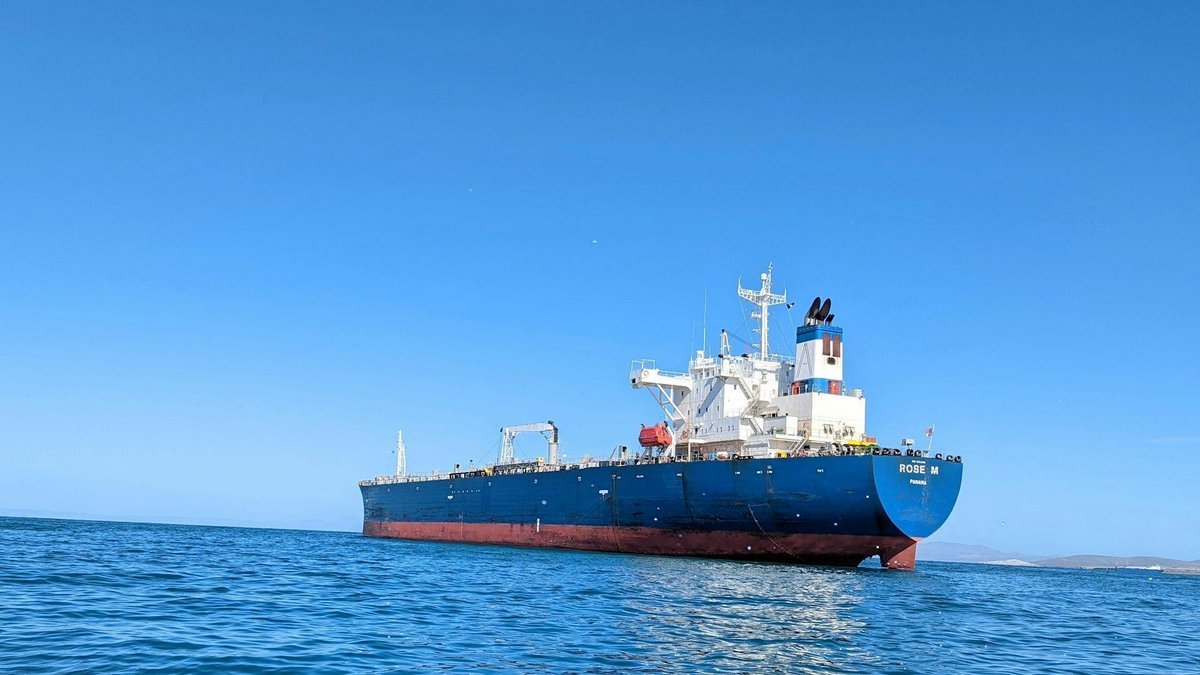
The sinking of the bunker tanker Venus 14 off Thailand with six crew missing exposes the operational and environmental risks of vessels using AIS spoofing to mask their movements. The vessel went down by the stern on Wednesday morning approximately 27 nautical miles off the Sattahip Naval Base in the northern Gulf of Thailand.
The Royal Thai Navy launched a search and rescue operation involving a patrol vessel and aircraft to locate the missing crew. A pollution-control vessel is on standby to manage potential fuel leaks from the wreck. Navigational warnings are in effect for the area.
The Venus 14 operated as a fishing tender, providing bunkering services to local fleets, and may have carried a meaningful quantity of petroleum at the time of the incident. AIS data provided by Pole Star Global reveals the vessel had been stationary at the site of the loss since late October.
Over the past year, the tanker’s records showed unusual anomalies, including long periods without broadcasting and occasional spoofed positions that placed the vessel on dry land. The cause of the vessel’s loss and the names of the crew have not been released.
Why it matters
The loss of a vessel with a history of AIS spoofing creates a complex liability scenario for insurers and local authorities. When a ship broadcasts fake coordinates or goes dark, it complicates emergency response and makes it difficult for investigators to verify the vessel’s true operational history before a casualty. This lack of transparency points to irregular activity that creates a substantial risk for the vessel’s insurance and regulatory standing. For shipowners and operators, this case serves as a reminder that irregular AIS patterns are often the first sign of deeper operational neglect.
The environmental risk is immediate for the northern Gulf of Thailand. As a dedicated bunkering tender, the Venus 14 may have held enough fuel to cause a localized ecological disaster if the hull breaches. The Royal Thai Navy and the Marine Department must now determine the volume of petroleum on board to prevent a spill that would hit local fishing interests and naval traffic. The proximity to the Sattahip Naval Base means any spill could also disrupt military operations in the region.
The vessel’s stationary status since October suggests it may have been operating as a static fuel depot rather than an active transport ship. Such operations often involve less frequent maintenance and higher risks of structural failure. The sudden sinking by the stern indicates a rapid loss of buoyancy that typically follows a major hull breach or mechanical failure in the engine room. If the vessel was acting as a floating bunker station, the lack of movement would have made it more vulnerable to environmental wear and tear.
What to watch
Watch for the Royal Thai Navy’s assessment of the wreck’s fuel load and the Marine Department’s decision on salvage or containment operations to prevent a spill.
Source: The Maritime Executive