

Two supertankers disabled by explosions in Strait of Hormuz
Two oil supertankers are disabled after explosions in the Strait of Hormuz, as the IRGC claims vessels hit mines on unauthorised routes.
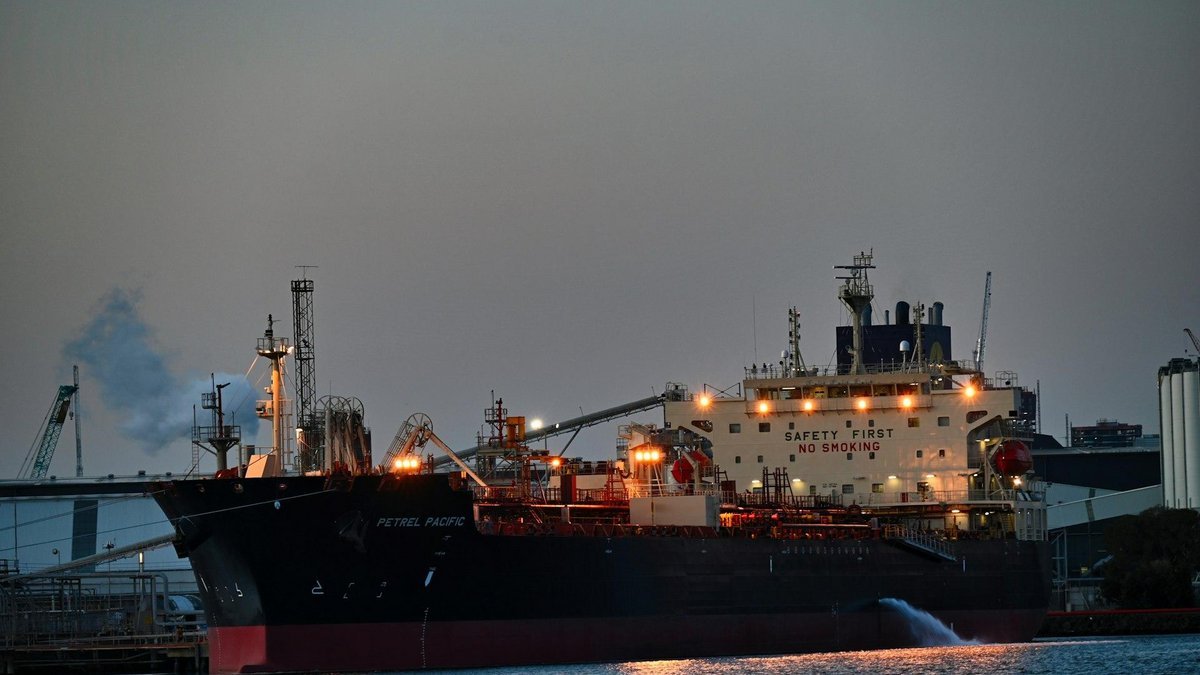
Two oil supertankers are disabled in the Strait of Hormuz following massive explosions on Wednesday night, as Iran’s Revolutionary Guard Corps (IRGC) enforces a lethal new policy against vessels using what it calls unauthorised routes.
The IRGC Navy reported on Thursday that the tankers exploded after hitting naval mines. Iranian state media later released video footage of the incidents, claiming the vessels ignored warnings against using an unauthorised route in the southern part of the waterway.
These explosions occur during the ongoing US-Israeli war with Iran, which began in February. While the IRGC previously announced direct strikes on tankers, it has recently reported vessels catching fire from mines while using these designated unauthorised routes.
The United Kingdom Maritime Trade Operations (UKMTO) agency has reported in several cases that tankers in the strait have been struck by unknown projectiles, contradicting the IRGC’s claims of naval mines.
Why it matters
The IRGC’s pivot from direct strikes to reporting mine hits on “unauthorised routes” creates a specific operational risk for tanker owners and charterers. By designating parts of the southern waterway as unauthorised, the IRGC has effectively weaponised route compliance. This tactic allows the IRGC to frame kinetic actions as the result of vessel negligence rather than direct military aggression.
The discrepancy between Iranian claims of naval mines and the UKMTO’s reporting of unknown projectiles in the region leaves insurers and security teams with no clear consensus on the threat. If mines are present in the southern strait, the risk for the tanker segment shifts from targeted strikes to indiscriminate hazards. This uncertainty complicates war-risk assessments and the deployment of private maritime security teams.
For seafarers and operators, the “unauthorised route” designation is a moving target. The IRGC has not defined these zones publicly, meaning any transit through the southern strait now carries the risk of being labeled a violator before a strike occurs. This lack of transparency forces masters to choose between IRGC warnings and established safe-navigation patterns.
What to watch
UKMTO updates that clarify the nature of the projectiles or further IRGC definitions of what constitutes an unauthorised route.
Source: MarineLink