

Ukrainian drones hit Ust-Luga as Baltic export risks mount
Ukraine strikes Russia’s Ust-Luga port, threatening major energy exports and following refinery hits that triggered petrol rationing.
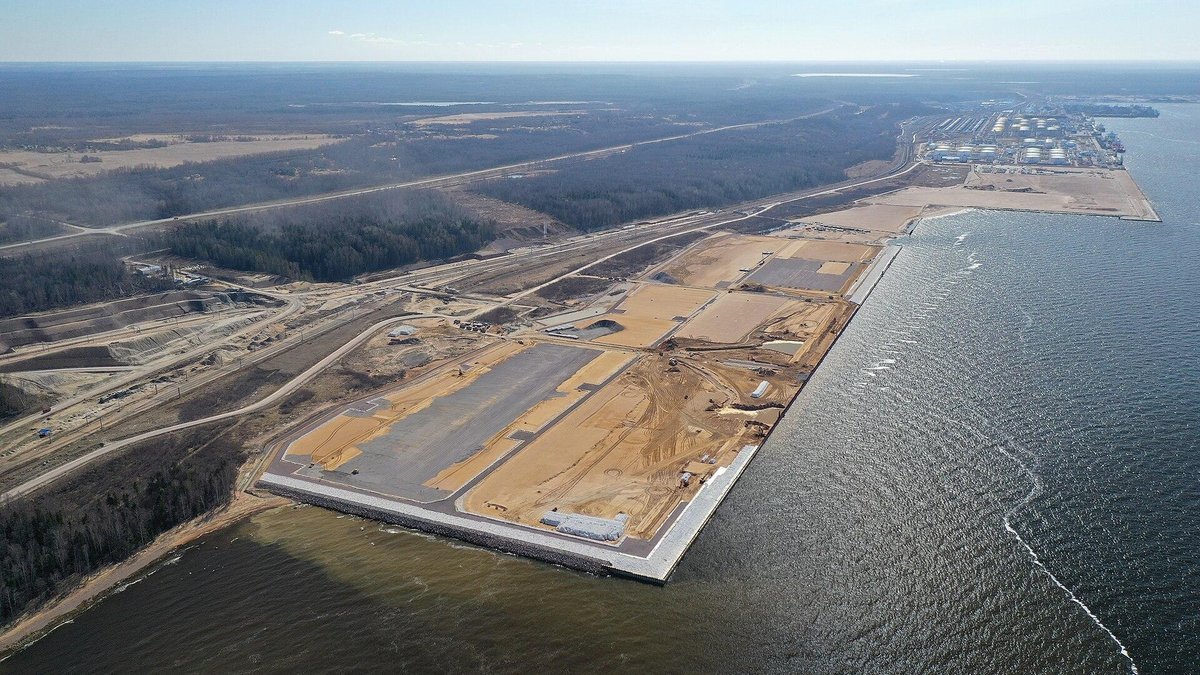
Ukraine’s drone strike on the Baltic port of Ust-Luga hits one of Russia’s most critical energy export gateways, threatening the flow of crude and refined products as domestic fuel shortages begin to bite.
Leningrad region governor Alexander Drozdenko confirmed early Wednesday that several drones struck the port area, triggering a fire and an emergency shutdown of a transformer substation. Three port workers were injured. Ust-Luga is a primary hub for Russian crude oil, refined petroleum products, coal, grain, and other bulk commodities.
The attack follows a strike two days ago on the Kirishi refinery, Russia’s second-largest facility. That Surgutneftegaz-operated plant, which processes around 20 million tonnes annually, caught fire after Monday’s drone hit. These incidents coincide with reports from the Financial Times that Rosneft has introduced petrol rationing at filling stations as refinery outages and fuel shortages mount.
Why it matters
The reach of Ukrainian drones now extends deep into the Baltic, putting Russia’s primary maritime export routes under direct threat. Ust-Luga is a central node for the liquid and bulk commodities that drive Russian trade. For shipowners and charterers, the expansion of the conflict to this region removes the geographic buffer that previously protected Baltic operations.
The campaign against refining infrastructure is already impacting the cargo mix. Rosneft’s move to ration petrol suggests that domestic supply needs are beginning to override export commitments. This likely means fewer refined product cargoes available for tankers out of Baltic terminals as refinery outages persist.
While loading operations at Ust-Luga have not yet been confirmed as suspended, the disruption to power supplies and infrastructure creates immediate operational uncertainty. Security risks for Baltic calls are no longer theoretical, and the proximity of these strikes to major terminals suggests that insurance and safety protocols will require immediate reassessment.
What to watch
Watch for confirmation of damage to specific terminals or suspended loading schedules at Ust-Luga to determine the immediate impact on export volumes. Any further reports of petrol rationing or refinery shutdowns will signal how much export capacity Russia is forced to sacrifice to meet domestic demand.
Source: Splash247