USS Ted Stevens joins Atlantic Fleet with hypersonic defense sensors

The Flight III Arleigh Burke-class destroyer USS Ted Stevens reached Norfolk, bringing advanced missile defense to the Atlantic Surface Fleet.
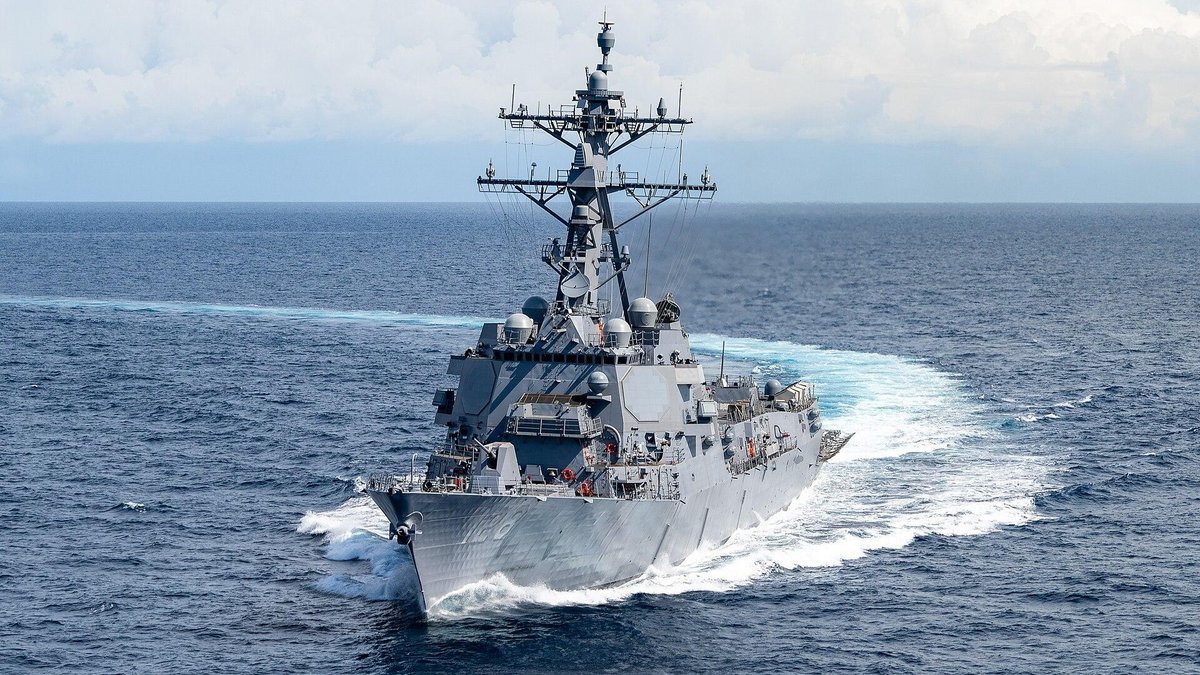
The USS Ted Stevens (DDG 128) arrived at Naval Station Norfolk on November 18, bringing the U.S. Atlantic Surface Fleet its newest Flight III destroyer and a critical upgrade in missile defense sensors. The homecoming follows a commissioning ceremony in Alaska and a cross-country voyage that included escorting the world’s first nuclear aircraft carrier toward its final destination.
The destroyer reached its homeport on the birthday of its namesake, the late U.S. Senator Ted Stevens. The vessel is the second Flight III Arleigh Burke-class destroyer delivered by Ingalls Shipbuilding, a division of Huntington Ingalls Industries. It features the AN/SPY-6(V)1 Air and Missile Defense Radar (AMDR) paired with the Aegis Baseline 10 combat system.
During the return trip, the warship escorted the decommissioned ex-Enterprise (CVN 65) from November 6 to 13 as it was towed toward Mobile, Alabama. The Navy described the mission as a link between its latest surface combatant and the historic nuclear carrier. Before the transit, the destroyer completed full ship shock trials off Florida in July and a port visit to Juneau, Alaska, in October.
Why it matters
The arrival of the USS Ted Stevens moves the Atlantic Surface Fleet closer to countering modern high-end threats. The ship’s AN/SPY-6(V)1 radar is specifically designed to detect and counter ballistic, cruise, and hypersonic missiles. This capability provides a higher level of protection for commercial shipping lanes and naval assets in the Atlantic theatre.
The Flight III design represents a major shift in shipboard infrastructure. To run these advanced sensors, the Navy equipped the vessel with upgraded electrical power and cooling capacity. This makes the ship a more capable escort for carrier strike groups compared to older Arleigh Burke variants that lack the power margins for the latest radar suites.
The escort of the ex-Enterprise served as more than a symbolic gesture. It provided a functional transit mission for a crew that had recently completed rigorous shock testing. With the ship now at its homeport, the U.S. Navy has a new high-specification asset ready to transition into full operational status with the Atlantic fleet.
What to watch
The Navy indicates the warship is now moving toward full operational status. The next milestone will be the ship’s formal integration into active carrier strike group rotations as it completes its final round of testing following delivery.