

US Task Force Iron Gate Targets Iran’s Caspian and Land Trade Routes
US Central Command forms Task Force Iron Gate to block Iranian sanctions evasion via the Caspian Sea and land routes as the naval blockade holds.
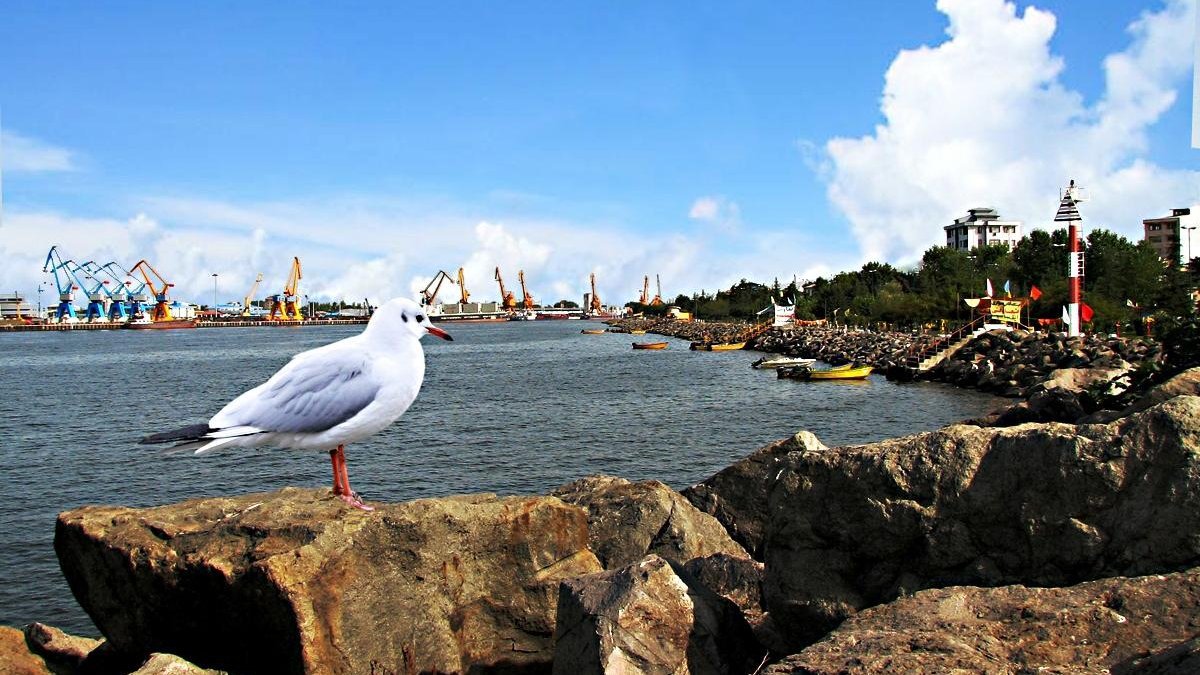
US Central Command has launched Task Force Iron Gate to shut down the land and Caspian Sea corridors used by Iran to bypass the existing naval blockade. The move has led to an immediate AIS blackout across the Caspian Sea as Russian and Iranian vessels attempt to shield high-value military and dual-use imports from new oversight.
Admiral Cooper, Commander of CENTCOM, announced the formation of the task force on November 7. Operating from Tampa, Florida, the unit coordinates military and civil efforts to block the movement of weapons, sanctioned materials, and illegal revenue streams across Iran’s land borders and the Caspian Sea. The task force works alongside the US Treasury’s Operation Economic Outcast.
The US naval blockade currently stops 80% of trade that previously entered Iran by ship, primarily through Bandar Abbas. While this has impacted the civil economy, the Islamic Revolutionary Guard Corps (IRGC) continues to seek high-value, low-volume military imports through alternative routes. Merchant traffic between Russia and Iran in the Caspian Sea has responded to the new task force by switching off AIS systems. Approaches to southern Caspian ports like Bandar Anzali and northern Russian ports like Astrakhan are now devoid of signals.
Why it matters
The immediate disappearance of AIS signals creates a stark operational divide in the Caspian Sea. While East-West traffic between Azerbaijan, Kazakhstan, and Turkmenistan remains visible, the North-South route between Russia and Iran has moved into the shadows. For legitimate owners and insurers, this makes the Caspian a high-risk zone where distinguishing between sanctioned and non-sanctioned activity is nearly impossible without active AIS data.
Land routes are failing to provide a viable alternative for the volumes lost to the naval blockade. Although rail traffic through Turkmenistan has increased by 40% in recent months, the IRGC lacks confidence that Turkmen authorities will permit the movement of sanctioned materials. This forces more cargo onto trucking routes through Turkey, where the Bazargan border crossing is already seeing five-day queues. For logistics providers, these bottlenecks and the difficult winter terrain mean land corridors cannot offset the impact of the maritime shutdown.
The IRGC is now forced to rely on professional smuggling units to exploit fraudulent customs paperwork and front companies. By targeting these specific high-value flows, Task Force Iron Gate is squeezing the military supply chain that the naval blockade, which primarily hits bulk civil trade, could not reach. This puts a premium on the Caspian sea route as the only remaining high-volume option for the IRGC, provided they can maintain their AIS blackout.
What to watch
Watch for whether the five-day truck queues at the Bazargan crossing lengthen as winter weather sets in, and if Turkey maintains its current pace of international sanctions enforcement at the border.
Source: The Maritime Executive