

Lloyd’s Register expands Saudi port role beyond certification
LR and MAWANI sign a new agreement to overhaul Saudi port operations, digitalization, and decarbonization efforts.
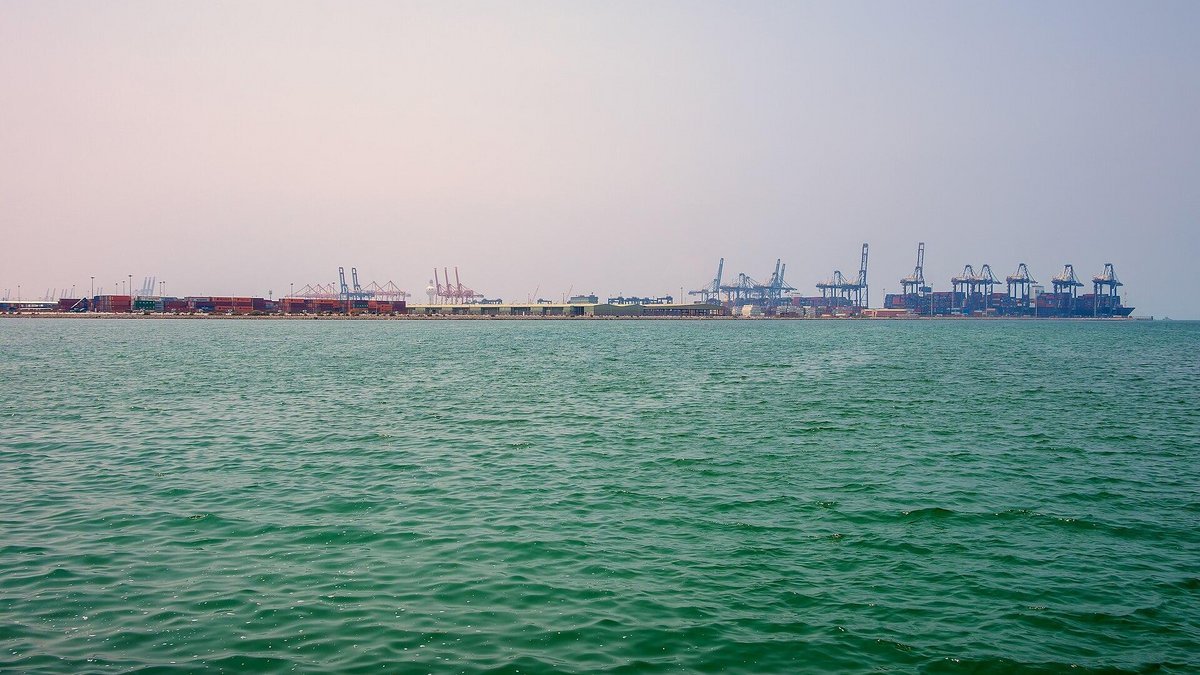
Lloyd’s Register (LR) has expanded its remit in Saudi Arabia, moving beyond standard certification to help design the operational and digital future of the Kingdom’s major maritime hubs. The agreement with the Saudi Ports Authority (MAWANI) aims to integrate international technical standards directly into the country’s bid to become a global logistics leader.
MAWANI President Suliman Al-Mazroua and LR CEO Nick Brown signed the agreement, which covers port management, digitalization, and decarbonization. The partnership supports the Saudi National Transport and Logistics Strategy, a state plan to establish the country as a primary international hub.
The deal builds on a January 2025 contract where LR began supporting management systems and ISO certification at four key locations: Jeddah Islamic Port, King Abdulaziz Port in Dammam, Yanbu Commercial Port, and Jubail Commercial Port. That earlier work focused on quality and environmental procedures, Port State Control processes, and personnel training.
The new agreement expands this scope to include green port programmes and the introduction of digital solutions to improve data use in port operations. While the organisations have confirmed the areas of cooperation, they have not yet announced specific new projects, investment amounts, or implementation dates.
Why it matters
For shipowners and charterers, this move points to a more standardised, digital-first environment at Saudi berths. If LR successfully implements these management systems, vessels calling at Jeddah or Dammam should see more predictable regulatory compliance and streamlined Port State Control processes. This reduces the risk of administrative delays for high-value assets.
The focus on decarbonisation and green port programmes suggests that Saudi ports are preparing to compete on sustainability metrics. This will likely influence how port fees are structured and which vessels receive priority as the Kingdom aligns its infrastructure with international environmental targets. Owners of older, less efficient tonnage may find these hubs increasingly rigorous regarding emissions and environmental compliance.
By embedding a major classification society into its port operations, MAWANI is buying technical credibility to match its infrastructure spending. This is a clear attempt to de-risk the Saudi logistics chain for international insurers and traders who require transparency in safety and risk management before committing to long-term trade routes.
What to watch
The transition from a broad agreement to concrete investment is the next trigger. Watch for the announcement of specific digital infrastructure tenders or the first set of decarbonisation mandates at the four primary ports named in the existing certification project.
Source: Container News