

Global shipbuilding orderbook hits 3.5 times 2020 levels as capacity lags
The global shipbuilding orderbook is 3.5 times its 2020 size, but yard capacity has grown just 30%, creating a major delivery crunch for owners.
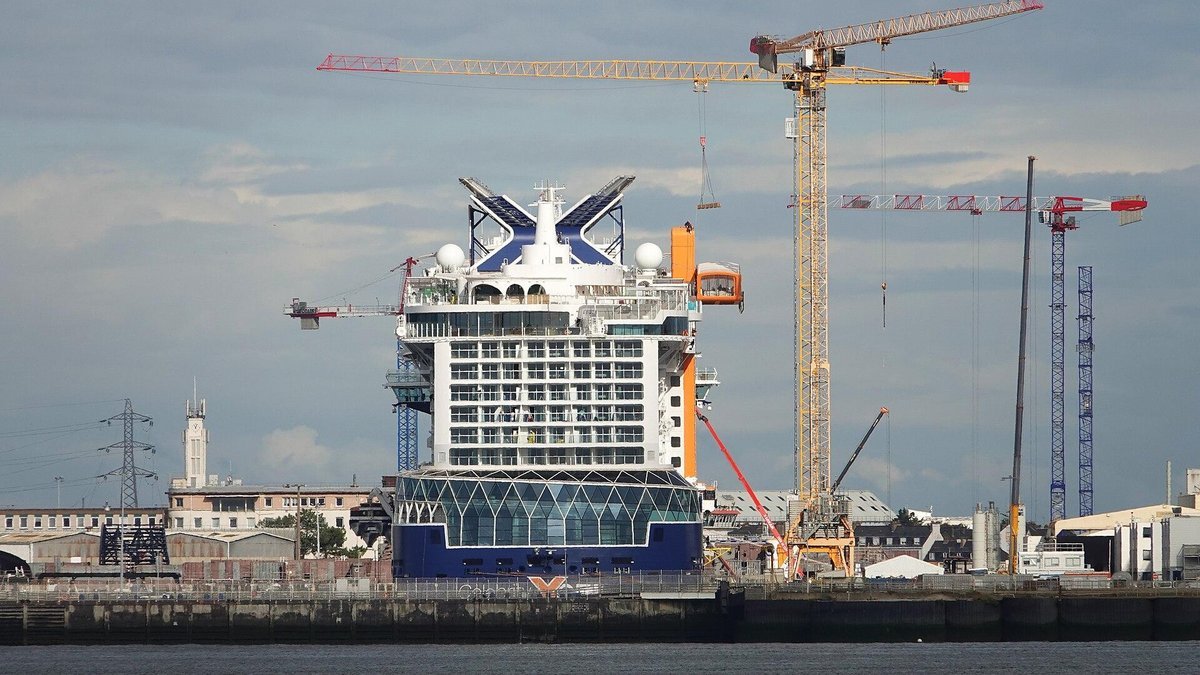
A massive disconnect between global vessel orders and yard capacity is setting the stage for a delivery crunch that will squeeze fleet renewal plans. While the global shipbuilding orderbook has surged to three and a half times its 2020 size, yard capacity has grown by only 30%.
The global shipbuilding orderbook now stands at 3.5 times the volume recorded in 2020, according to data from Container News. Over that same period, the expansion of global yard capacity has failed to keep pace, increasing by less than a third.
Why it matters
This capacity gap means the era of quick fleet expansion is over. With orders outstripping capacity growth by more than ten to one, delivery slots are becoming scarce and expensive assets. Owners who delayed ordering newbuilds now face a market where yards hold all the leverage on pricing and timelines.
The crunch favors China’s industrial strategy by rewarding the scale it has maintained. As the orderbook swells, the strategic advantage shifts to the yards that can manage the backlog. This likely leaves regions with less capacity, such as the United States, at a disadvantage when trying to secure timely deliveries for commercial or strategic needs.
Charterers and traders should prepare for a tighter supply of modern tonnage. As the delivery crunch delays the arrival of new vessels, older ships will stay in service longer. This delay impacts operational costs and environmental compliance schedules across the global fleet, as the transition to more efficient vessels slows down.
For insurers and financiers, the concentration of risk in a few high-capacity regions increases. With so much of the global orderbook tied up in a limited number of yards, any regional disruption will have a magnified impact on global fleet replenishment and asset values.
Source: Container News