

G7 launches port data network to challenge Chinese maritime systems
G7-backed port network aims to counter China's control over global trade data, creating a new digital contest for shipowners and terminal operators.
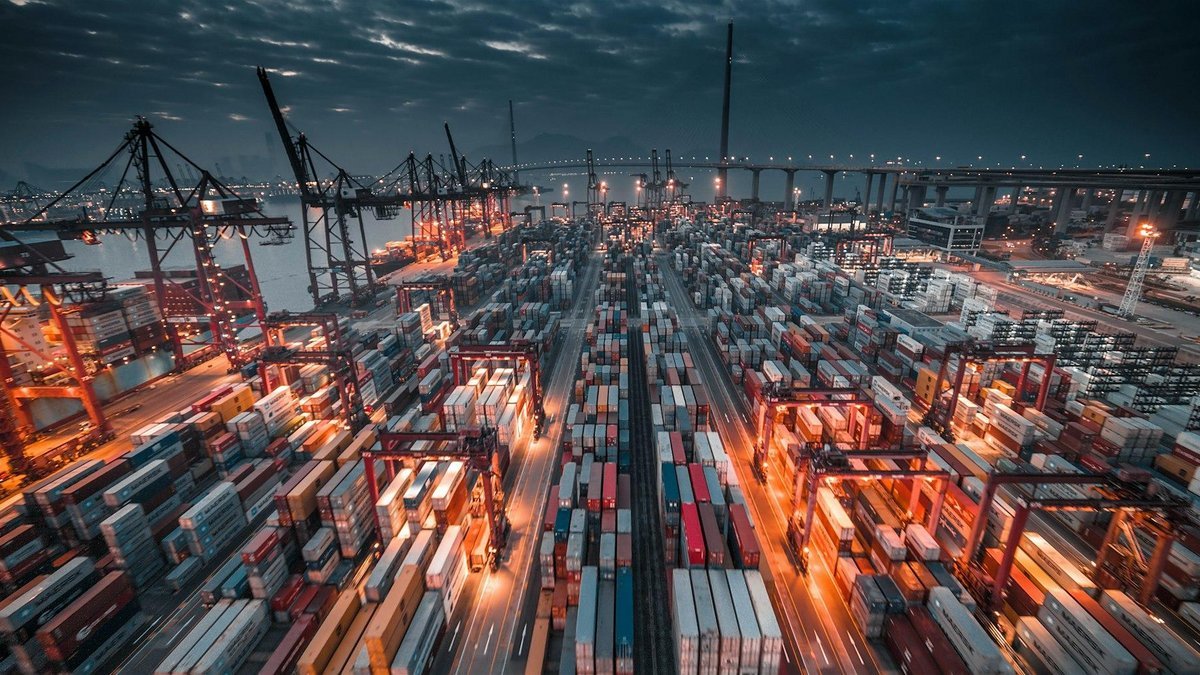
The G7 is establishing a new network of major seaports to secure control over global trade data and counter the expansion of China’s automated maritime systems. While the group officially frames the initiative as a tool to combat drug trafficking, the move represents a strategic attempt to prevent Beijing from monopolizing the digital infrastructure of international shipping.
The G7-backed network links major global seaports to facilitate information sharing. This initiative serves as the first coordinated Western response to China’s growing influence in automated maritime data management and the control of global trade flows.
Why it matters
For shipowners and terminal operators, this development signals a fracturing of the digital maritime landscape. China has spent years integrating its automated systems into global port infrastructure, giving it deep visibility into cargo flows and logistics patterns. The G7 entry into this space suggests that data sovereignty is now a top-tier geopolitical priority, likely forcing ports and carriers to choose between competing digital standards.
This competition will likely increase the compliance burden for international traders. If Western and Chinese systems remain siloed or incompatible, the cost of data integration for global supply chains will rise. Operators should expect new requirements for data transparency and reporting as the G7 seeks to build a trusted alternative to existing Chinese platforms.
The move also changes the risk profile for maritime data. By linking ports under a G7 framework, Western authorities gain a mechanism to monitor trade flows more closely. While the stated goal is law enforcement, the infrastructure provides a foundation for broader trade policy enforcement and supply chain monitoring that could impact chartering decisions and route planning.
Source: Container News