

US Senator Targets Greek Tanker Over Russian Diesel Cargo
Senator Richard Blumenthal (D-CT) has issued a direct warning to a Glyfada-based Greek shipowner regarding the tanker Agioi Fanendes (IMO 9798375), currently in transit with a cargo of Russian diesel loaded at Primorsk. In a formal communication to the owner, Blumenthal stated that any attempt to discharge the cargo at a U.S. port would constitute […]
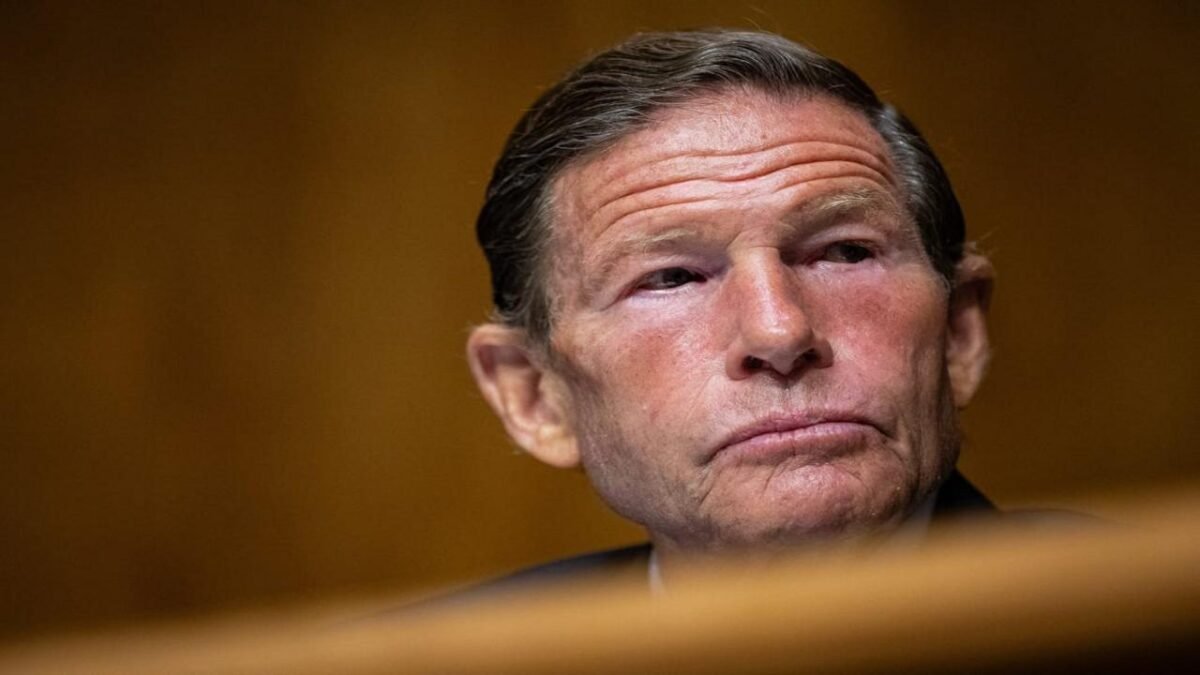
Senator Richard Blumenthal (D-CT) has issued a direct warning to a Glyfada-based Greek shipowner regarding the tanker Agioi Fanendes (IMO 9798375), currently in transit with a cargo of Russian diesel loaded at Primorsk. In a formal communication to the owner, Blumenthal stated that any attempt to discharge the cargo at a U.S. port would constitute an illegal act under the Ending Importation of Russian Oil Act of 2022.
The vessel, which declared its destination as USNY upon departure from the Baltic, has become the focal point of a legislative challenge regarding the enforcement of U.S. energy sanctions. While the White House has expressed differing views on current compliance, Blumenthal’s letter asserts that the legislative ban remains in effect, as Congress has not authorized a waiver and the required conditions—a certification that the war in Ukraine has concluded—have not been met.
Regulatory and Legal Exposure
The intervention highlights a hardening legislative stance toward the enforcement of Russian energy sanctions. By framing the act of discharging cargo as an offense of aiding and abetting an illegal transaction, the Senator is signaling an intent to bypass administrative ambiguity and hold individual owners personally liable for compliance failures.
For commercial operators, this development suggests that traditional compliance measures—such as relying on cargo origin documentation or white-listed intermediaries—may offer diminishing protection when faced with direct congressional scrutiny. The focus on the specific vessel and owner implies that legislative actors are increasingly utilizing vessel-tracking intelligence to identify and preemptively challenge shipments, shifting the burden of legal risk squarely onto the shipowner regardless of the broader geopolitical posture of the executive branch.