

Iran Threatens Legal Action Against Sinokor Ships
Tehran’s strait authority has moved to initiate legal action against South Korean shipowner Sinokor, citing a high frequency of transit rule violations by the company’s vessels over the past three months. The move marks a significant escalation in the regulatory scrutiny of commercial shipping transiting the Strait of Hormuz. Legal pressure from Iranian authorities introduces […]
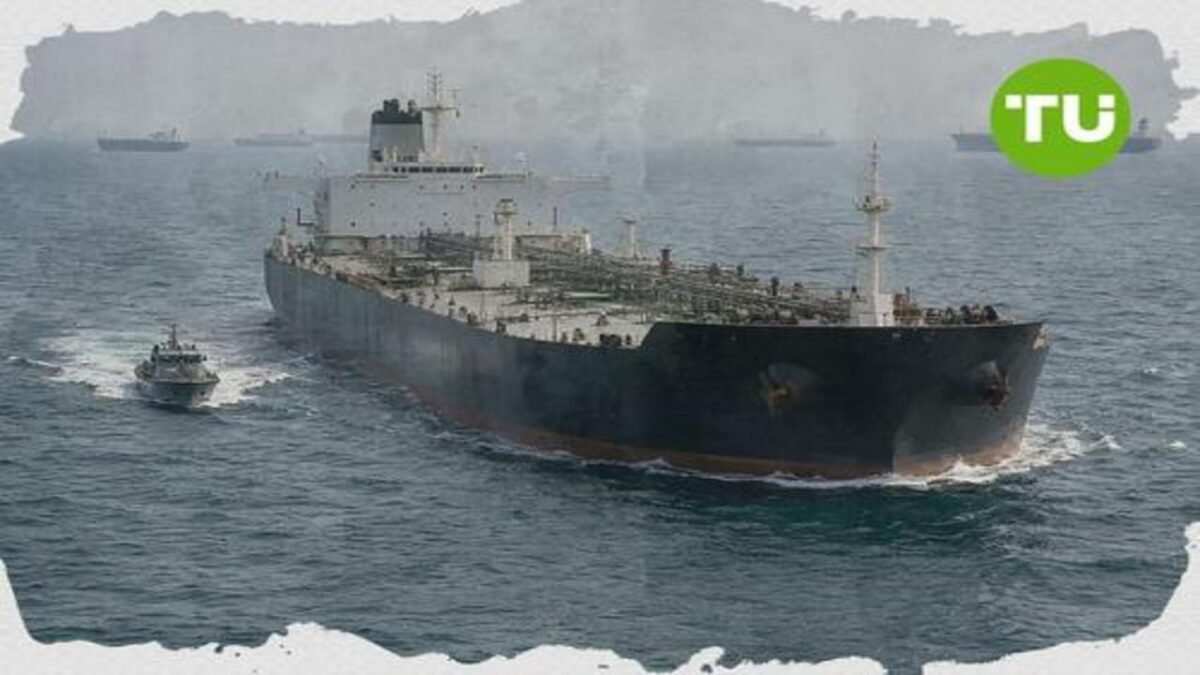
Tehran’s strait authority has moved to initiate legal action against South Korean shipowner Sinokor, citing a high frequency of transit rule violations by the company’s vessels over the past three months. The move marks a significant escalation in the regulatory scrutiny of commercial shipping transiting the Strait of Hormuz.
Legal pressure from Iranian authorities introduces a complex layer of risk for international carriers already navigating a fractured security environment in the Persian Gulf. While the focus is framed as a matter of maritime compliance, the threat arrives amid a wider geopolitical standoff. The United States has responded to recent Iranian attacks by enforcing a naval blockade on vessels linked to Iran, forcing regional oil producers to shift toward shadow transit operations to maintain export flows.
The targeting of a specific major owner like Sinokor suggests that authorities may be moving beyond general navigation enforcement to exert pressure on specific commercial interests. For tanker operators, this development signals a potential shift in risk premiums; insurance underwriters and charterers are likely to view the legal threat as a precursor to more frequent physical inspections or administrative delays for Sinokor-managed tonnage.
The broader shift toward shadow transits in the Gulf indicates that the market is already pricing in the friction of the US blockade. However, the move against Sinokor indicates that the administrative and legal bottleneck in the Strait of Hormuz is tightening simultaneously, limiting the operational flexibility of mainstream fleets regardless of their cargo destination.