

US Navy Evaluates Cruise Industry Man-Overboard Detection Tech
The U.S. Navy is exploring cruise industry man-overboard detection systems to improve safety and response times for sailors at sea.
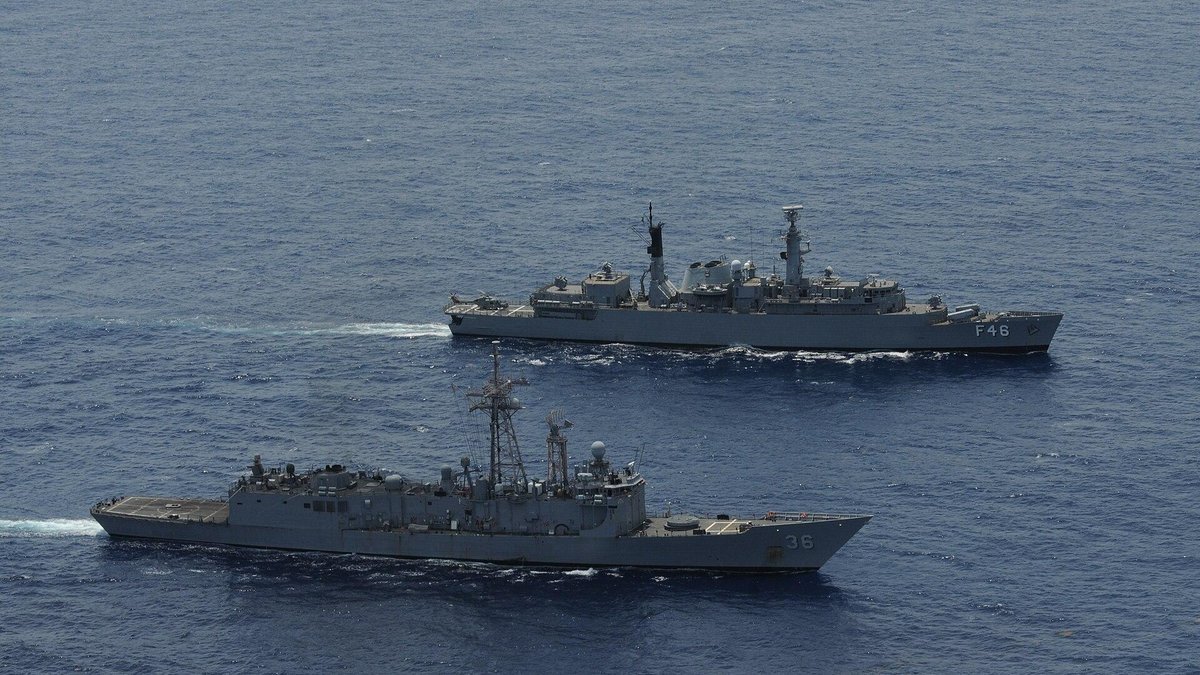
The U.S. Navy is evaluating man-overboard detection technology originally developed for the cruise industry, seeking to improve the speed and accuracy of search and rescue responses for sailors at sea.
The move represents a transition from traditional manual monitoring methods toward automated, sensor-based alerting systems. While military vessels have long relied on visual lookouts and periodic personnel musters to identify missing crew, the cruise sector has spent years refining high-tech solutions to meet commercial safety mandates.
Commercial Innovation in Military Operations
The technology under consideration typically integrates thermal imaging cameras and advanced computer vision algorithms to detect the specific motion of a person falling overboard. By providing immediate notification to the bridge along with precise coordinates, these systems can eliminate the critical delays often associated with manual reporting.
The Navy’s interest in this commercial-off-the-shelf technology suggests that the cruise industry’s safety innovations have reached a level of maturity and reliability that meets rigorous naval standards. This reversal of the traditional military-to-civilian technology flow highlights how regulatory pressures in the commercial sector can drive specialized hardware development that eventually benefits government fleets.
Integrating these systems onto naval platforms may also reduce the cognitive load on watchstanders. By automating the detection of rare but high-consequence events, the Navy can maintain a higher level of situational awareness without increasing the personnel requirements for deck watches.
Source: The Maritime Executive