

Conflict Risk with Iran Reaches Peak as Military Shaping Operations Mount
Maritime risk levels in the Middle East have reached a peak as military shaping operations and political pressures signal a potential escalation.
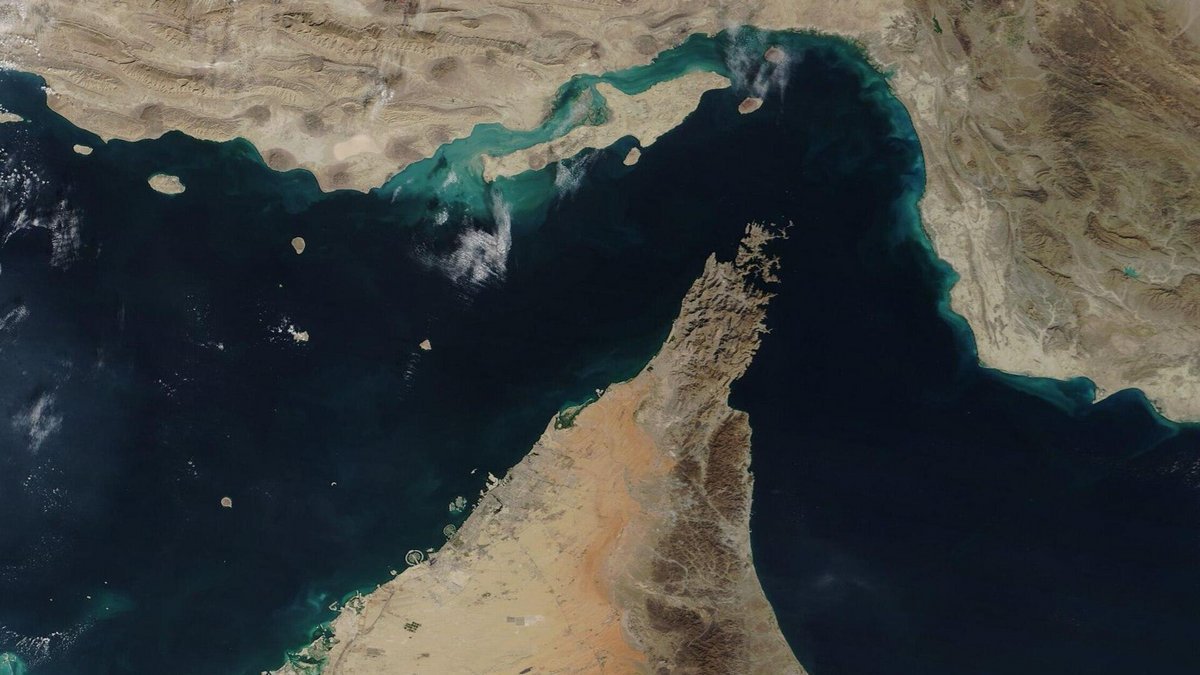
The risk of a resumption of full-scale war involving Iran, the United States, and regional allies has reached a critical peak, creating an immediate threat environment for shipowners, managers, and seafarers. This heightened risk level is expected to persist for at least the next week, driven by a convergence of domestic political pressures and visible military preparations across the Middle East.
Recent military activity suggests that the groundwork for a larger engagement is already being laid through strategic shaping operations. The United States has transitioned to a high-readiness posture, clearing nonessential personnel and dependents from forward bases and embassies. Simultaneously, a series of covert, unannounced military strikes on targets within Iran, alongside unexplained fires and explosions at several sites, indicate an active effort to degrade Iranian capabilities ahead of a potential escalation.
Tactical Intelligence and Air Defense
A significant indicator for maritime security is the recent execution of a large-scale simulated attack by Israeli forces that stopped just short of the Iranian border. This maneuver appears to have been a calculated effort to force the unmasking of Iranian air defense systems. By triggering these systems, regional forces can update the electronic signatures required to neutralize them in a kinetic conflict, suggesting that tactical planning has moved into its final stages.
For commercial shipping, the most immediate danger lies in the potential for a preemptive first move. Iran is facing severe domestic strain as oil revenues decline and imports dry up, which may lead its leadership to view a patriotic war as a necessary diversion. Tehran has already attempted to pressure Gulf states by threatening attacks on a wide range of civilian targets, a strategy intended to force regional neighbors to urge restraint on the U.S. and Israel.
Regional Political Volatility
The initiative to restart hostilities could come from multiple actors, each driven by distinct strategic fears. In Israel, political clashes over the desire to resume hostilities have become public, while in the U.S., the current administration may face pressure to act before political shifts occur in Congress. Furthermore, Gulf states are increasingly wary of any diplomatic arrangement that might grant Iran greater control over the Strait of Hormuz than it has historically held, raising the possibility of independent regional action to prevent a diplomatic fait accompli.
As Iran perceives an attack as imminent, the incentive for a preemptive strike increases. Maritime operators should note that while Iran may wish to avoid the destruction of its own infrastructure, its leadership appears to believe war is inevitable. This shift in perception significantly narrows the window for de-escalation and increases the likelihood of sudden disruptions to commercial traffic in the region’s vital waterways.
Source: The Maritime Executive