

US midterm results signal trade shift as transpacific peak fades
Democratic wins in the US midterms and a looming LA/LB strike deadline create a volatile outlook for transpacific trade and container rates.
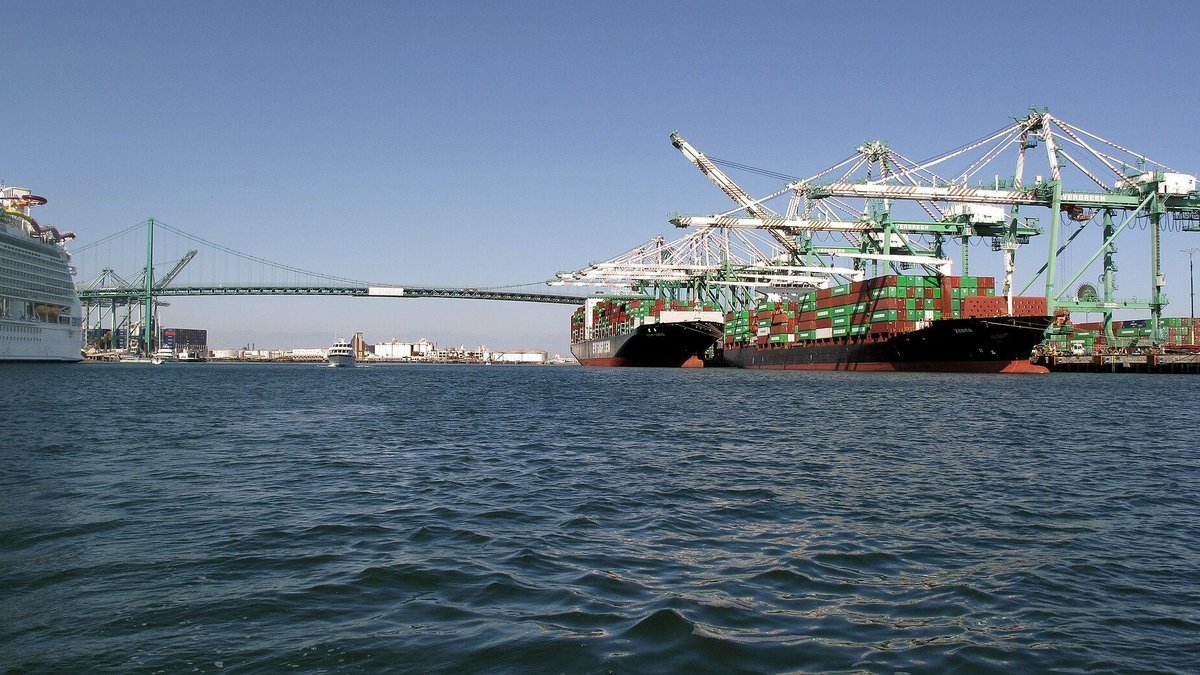
The Democratic takeover of both houses of Congress and an upcoming meeting between Presidents Trump and Xi signal a potential pivot in trade policy just as the record-breaking transpacific peak season begins to cool. While the election results reflect voter concerns over inflation and tariffs, the shift leaves President Trump with less legislative leverage, potentially emboldening the White House to act independently on foreign and trade policy.
Recent data from the National Retail Federation shows US ocean import volumes peaked in September at 2.37 million TEU. Volumes are estimated to have dropped 5% in October, with November arrivals projected to fall 14% from the September high. Despite this cooling, total volumes for the year are expected to finish 2.2% higher than in 2025.
In the air freight market, rates out of the Far East continue to climb on peak demand. China-US prices rose 3% last week to over $8.00/kg, matching a record high hit in mid-December 2025. Meanwhile, the ILWU Local 26 watchmen union has extended its strike deadline at the ports of Los Angeles and Long Beach to November 20 to continue negotiations.
Why it matters
For container carriers, the window for aggressive rate hikes is closing. Transpacific rates have already begun to ease, with West Coast prices at $8,200/FEU and East Coast prices at $9,700/FEU. The failure of November 1st General Rate Increases (GRIs) to materialize on Asia-Europe lanes, where prices to North Europe dipped 5% last week, indicates that the demand-driven leverage carriers enjoyed throughout the summer is evaporating.
The immediate operational risk sits with importers and terminal operators at the Los Angeles and Long Beach complex. Although most holiday merchandise is already shore-side, a serious rail backlog remains. A walkout by ILWU Local 26 on November 20 would paralyze the movement of goods inland, turning a labor dispute into a logistical bottleneck that could take weeks to clear.
Air cargo providers and tech shippers face a specific regulatory threat. High air rates have been propped up by massive volumes of data center hardware. If the new Democratic control of Congress leads to tighter AI regulations, this hardware volume could contract, stripping away the demand floor that has kept China-US air rates at $8.00/kg.
The extension of the pause on reciprocal port call fees until January 10 suggests a temporary de-escalation in the US-China trade war. However, the uncertainty of the Trump-Xi meeting next week means shipowners and charterers must prepare for sudden shifts in tariff regimes that could once again trigger erratic frontloading cycles in early 2027.
What to watch
The outcome of the Trump-Xi meeting in China next week and the November 20 strike deadline for ILWU Local 26 watchmen at the ports of Los Angeles and Long Beach.
Source: Container News