

Maersk integrates Central Java exports with new Semarang bonded hub
Maersk’s new 16,000sqm Semarang facility uses a bonded license to link Central Java manufacturing directly to its global shipping network.
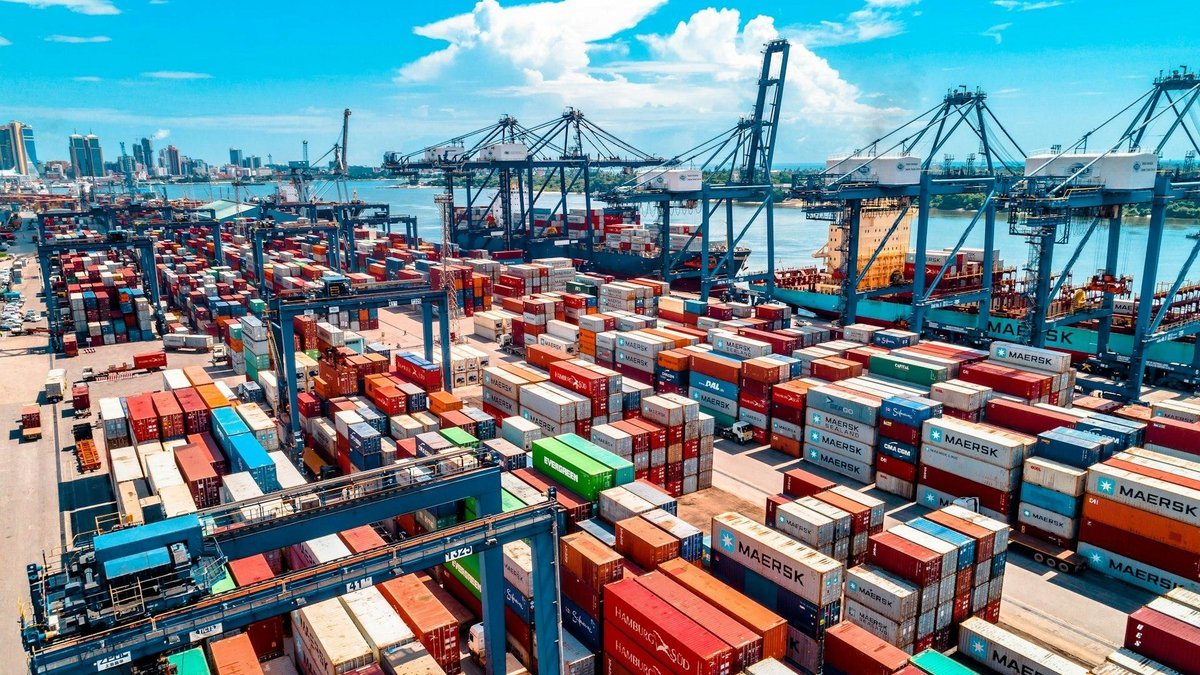
Maersk has opened a 16,000-square-metre consolidation centre in Semarang, Indonesia, to capture growing export volumes from Central Java’s manufacturing sector. The facility uses a bonded license to link inland production directly to the carrier’s international shipping network.
The Semarang Consolidation Centre provides 15,800 cubic metres of storage and 11,300 pallet positions across a six-level racking system. It sits four kilometres from the Port of Tanjung Emas and 300 metres from Maersk’s existing container depot. The facility operates under a Pusat Logistik Berikat (PLB) license, allowing customers to manage cargo within a customs-controlled environment.
Central Java has emerged as a primary manufacturing hub for footwear, garments and furniture. Maersk now operates more than 128,000 square metres of warehousing space across 15 locations in Indonesia. Elaine Low, Managing Director of Maersk South East Asia, said the investment aims to give customers a simpler way to manage supply chains by bringing warehousing and ocean capabilities closer to the manufacturing base.
Why it matters
Maersk is moving beyond the port gate to control the first mile of the supply chain. By placing a bonded warehouse 300 metres from its own container depot, the carrier reduces the friction between production and export. This setup allows Maersk to secure cargo volumes at the warehouse level before they even reach the terminal quay.
For shippers in the footwear and garment sectors, the bonded status is the critical detail. It allows for cargo consolidation and inventory management without immediate customs clearance, providing a buffer to coordinate production schedules with vessel departures. This flexibility is a competitive necessity as Central Java takes a larger share of Indonesia’s export manufacturing from other regions.
The proximity to empty equipment at the nearby depot gives Maersk a logistical advantage over rival carriers. Exporters using this facility gain more direct access to containers and inland transport, which serves as a hedge against equipment shortages and transport bottlenecks during peak export seasons.
What to watch
The impact on throughput at the Port of Tanjung Emas as Maersk directs more Central Java cargo through this integrated inland-to-ocean pipeline. Any shift in export volumes from other Indonesian gateways toward Semarang will indicate how successfully Maersk is consolidating the region’s manufacturing output.
Source: Container News