

Suez Canal loses status as default Asia-Europe artery
The Suez Canal has lost its role as the primary artery for Asia-Europe trade following the seizure of the Galaxy Leader.
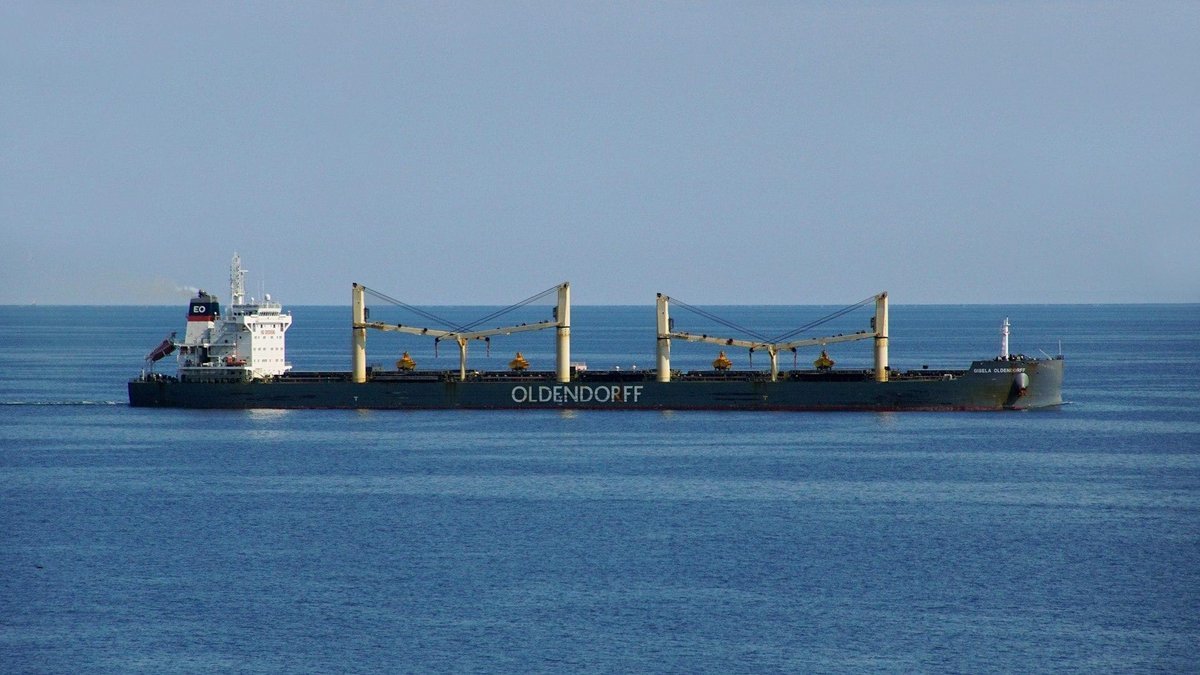
The Suez Canal no longer serves as the default artery between Asia and Europe, three years after the seizure of the Galaxy Leader established a low-cost model for holding global trade hostage. The shift represents a structural break in the reliability of the waterway for East-West transit.
The Houthis seized the Galaxy Leader in November 2023. According to Container News, the canal has since lost its status as the primary choice for carriers, as the disruption proved that a critical global chokepoint can be compromised on a budget.
Why it matters
For shipowners and charterers, the end of the Suez Canal as the default route removes the predictability that once underpinned Asia-Europe trade. When a route is no longer the default, every fixture requires a complex evaluation of risk versus distance. This shift points to a long-term redistribution of tonnage and a change in scheduling for container lines and bulk operators alike.
The “on a budget” nature of the disruption is the most troubling development for insurers and port operators. It suggests that a global chokepoint can be compromised using minimal resources. This creates a risk premium for the region, as the cost for militants to disrupt the canal is significantly lower than the cost for the industry to secure it.
The seizure of the Galaxy Leader was the specific trigger that broke the reliability of the Suez route. The fact that the canal no longer serves as the default artery three years later suggests that the industry has priced in a permanent level of volatility. This forces cargo owners to accept longer lead times or higher freight costs as the standard condition for moving goods between the two continents.
Source: Container News