

US Gulf Coast Refiners Gain Edge as Soaring Freight Rates Deepen Discounts
High freight rates and heavy crude discounts give US Gulf Coast refiners a major cost advantage over Asian rivals amid Middle East disruptions.
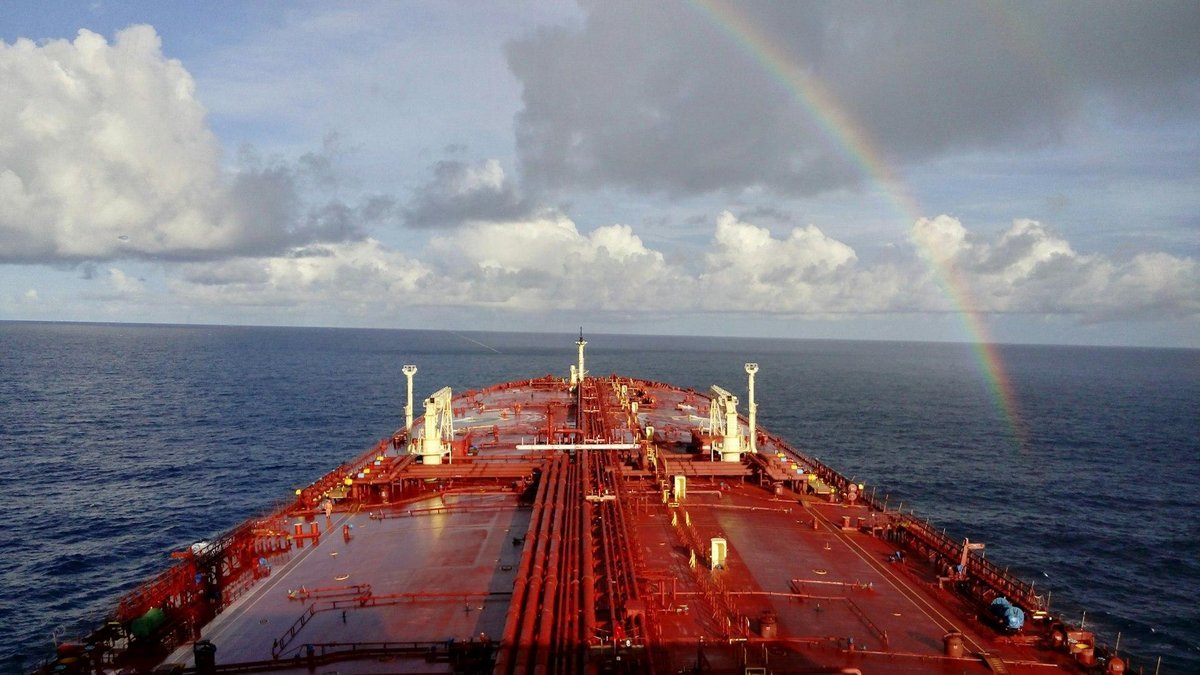
The escalation of conflict in the Middle East has sent global tanker rates soaring, inadvertently creating a significant cost advantage for U.S. Gulf Coast refiners. As security threats around the Strait of Hormuz drive up insurance premiums and force longer voyages, the resulting spike in shipping costs has deepened discounts on heavy crude grades produced in the Americas, benefiting domestic plants over Asian competitors.
The disruption has fundamentally altered the economics of the heavy crude market. Freight costs for shipping crude from the U.S. Gulf Coast to Asia have jumped to between $30 and $35 a barrel, up from approximately $5 a year ago. This surge has widened the price gap between Western Canadian Select (WCS) and the U.S. benchmark West Texas Intermediate (WTI), allowing Gulf Coast refiners—more than 70% of which are configured for heavy sour grades—to secure feedstock at significantly lower prices.
Strategic Insulation Through Time-Charters
A critical factor in this windfall is the advance chartering strategy employed by major U.S. operators. Companies including Phillips 66, Valero, Marathon, and PBF Energy secured extensive time-charter fleets before the conflict began, effectively insulating their operations from the current volatility in spot tanker rates. Phillips 66 reported that it had secured more than 40 vessels on time-charter, covering approximately 40% of its asset-based shipping requirements.
This positioning allows these refiners to capture the benefit of wider crude differentials without being fully exposed to the higher costs of moving those barrels. For Phillips 66, every $1 widening in the WCS-WTI differential translates to approximately $140 million in gains. Valero executives noted that higher freight rates also provide a competitive edge in Latin American export markets, where U.S. refined products are now outcompeting European barrels burdened by higher transport costs.
Long-Term Margin Strength
The financial impact of these market shifts was evident in third-quarter results, where U.S. refining margins more than doubled. Industry analysts point out that the increase in diesel margins has significantly outpaced the rise in freight costs, further padding the bottom line for complex refineries. For every additional dollar spent on freight, analysts at Arrow Shipping estimate that diesel margins have grown by at least eight dollars.
Refining executives expect these favorable conditions to persist well beyond the current quarter. Marathon Petroleum is projecting record Canadian heavy crude processing through the end of the year, while leadership at HF Sinclair and Marathon suggest that margins could remain elevated through mid-2027. This outlook is supported by the continued necessity of avoiding the Strait of Hormuz, which previously handled 20% of global oil and LNG supplies.
The geopolitical landscape continues to tighten the market. Recent U.S. sanctions targeting fraudulent ship registries used by Iran’s shadow fleet are expected to further constrain available tanker supply, potentially sustaining high freight rates and the associated crude discounts for the foreseeable future.
Source: gCaptain