

IMO Reports 25 Seafarer Deaths in Strait of Hormuz Since February
The IMO confirms 25 seafarer fatalities and 130 attacks on commercial ships in the Strait of Hormuz since the start of the US-Iran conflict.
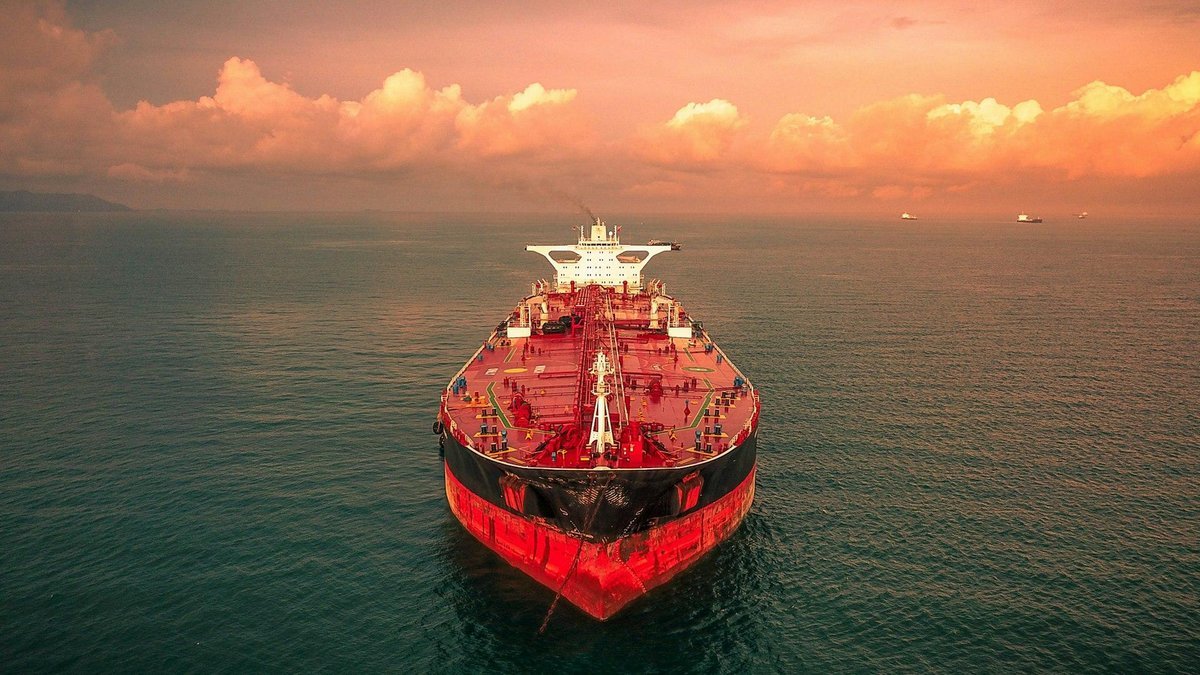
The International Maritime Organization (IMO) has confirmed that at least 25 seafarers have lost their lives in the Strait of Hormuz since the start of the conflict between the United States and Iran on February 28. The figure, released following a five-day IMO Council meeting that concluded on November 6, 2026, underscores the intensifying lethality of the region for commercial shipping crews.
The death toll has risen steadily in recent months, climbing from 22 reported fatalities in mid-September. The most recent casualty occurred on November 5 during an attack on the tanker Velos Sapphire. While the IMO confirmed 130 total attacks on commercial vessels in the region to date, the agency has not yet provided specific data on the number of seafarers injured or missing.
Operational Paralysis and Trapped Crews
Beyond the immediate fatalities, the IMO reports that approximately 20,000 seafarers remain trapped in the Persian Gulf. Secretary-General Arsenio Dominguez noted that in addition to those killed or injured, many crew members are being abandoned or forcibly kept from their homes, suggesting a breakdown in standard repatriation and crew-change protocols in the region.
The persistence of these fatalities despite the presence of 40 member states at the IMO Council indicates that established maritime security frameworks are failing to provide even basic protection for non-combatant merchant sailors. For ship operators and charterers, the rising death toll and the trapped status of thousands of personnel suggest that the Strait of Hormuz has transitioned from a high-risk transit zone into a theater where traditional sovereign immunity and neutral passage for commercial crews are no longer respected.
The situation remains critical for those currently deployed in the region, with no updated figures provided on the total number of personnel currently unable to exit the Gulf or the status of those on the 130 vessels targeted since February.
Source: Marine Insight