

Five Tankers and Tugboat Catch Fire in Strait of Hormuz Mine Attacks
Iran reports five tankers and a tugboat on fire after naval mine strikes in the Strait of Hormuz, marking a sharp escalation in regional risk.
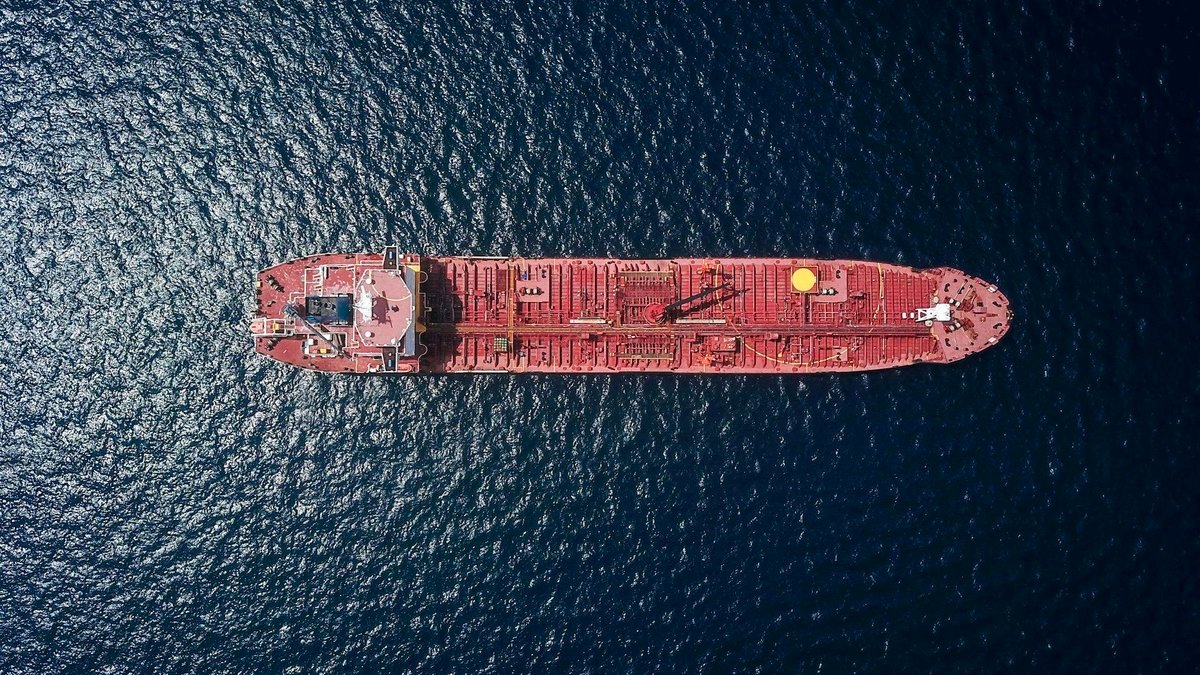
Iranian forces report that five oil tankers and a tugboat caught fire in the Strait of Hormuz over a 24-hour period, allegedly after striking naval mines. The development marks a significant escalation in the ongoing maritime conflict, shifting from vessel seizures and harassment to the active use of explosives in one of the world’s most critical energy chokepoints.
According to statements from the Islamic Revolutionary Guard Corps (IRGC) and the Iranian army, the incidents occurred across multiple locations within the waterway. One large tanker reportedly struck a mine in a southern passage, while a supertanker and an assisting tugboat caught fire in the eastern Strait. The Iranian army later claimed three additional tankers were disabled by mines in what they described as unsafe waters to the east.
Threat to Emergency Response and Salvage
The reported targeting of a tugboat represents a critical shift in the regional risk profile that maritime professionals must monitor. By allegedly attacking a vessel that had approached a burning supertanker to provide assistance, the incident suggests that emergency response and salvage operations are no longer being afforded neutral or protected status in the conflict.
If salvage assets are targeted while attempting to mitigate environmental or navigational hazards, the commercial risk for insurers and owners increases exponentially. This development could lead to a scenario where disabled vessels are left to burn or drift without intervention, as salvage companies may find the operational risk to their crews and assets untenable without significant military protection.
Discrepancies in Incident Reporting
While Iranian state media has detailed these strikes, international maritime officials have yet to provide full confirmation of the five specific fires. However, the United Kingdom Maritime Trade Operations (UKMTO) reported a separate incident involving a tanker struck by two unidentified projectiles approximately 50 nautical miles off the coast of Qatar.
The geographic spread between the Iranian claims in the Strait and the UKMTO report—located roughly 500 kilometers to the west—indicates that the high-risk zone now effectively spans the center of the Persian Gulf. This suggests that the threat to the tanker fleet is no longer confined to the immediate chokepoint of the Strait but extends deep into the transit lanes used by vessels exiting regional loading terminals.
In a parallel development, the IRGC navy’s electronic warfare unit claimed to have seized control of two U.S.-developed Low-cost Uncrewed Combat Attack System (LUCAS) drones. This highlights the multi-domain nature of the threat facing commercial shipping, combining traditional naval mines with sophisticated electronic interference and uncrewed aerial systems.
The U.S. military, which has been providing a blockade on Iranian ports and escorting tankers through the Strait, previously noted that it helped Gulf countries export 1.5 billion barrels of oil via the waterway since last summer. The current escalation places these escort and protection missions under renewed pressure as the use of naval mines introduces a less predictable and more lethal variable into the transit environment.
Source: India Shipping News