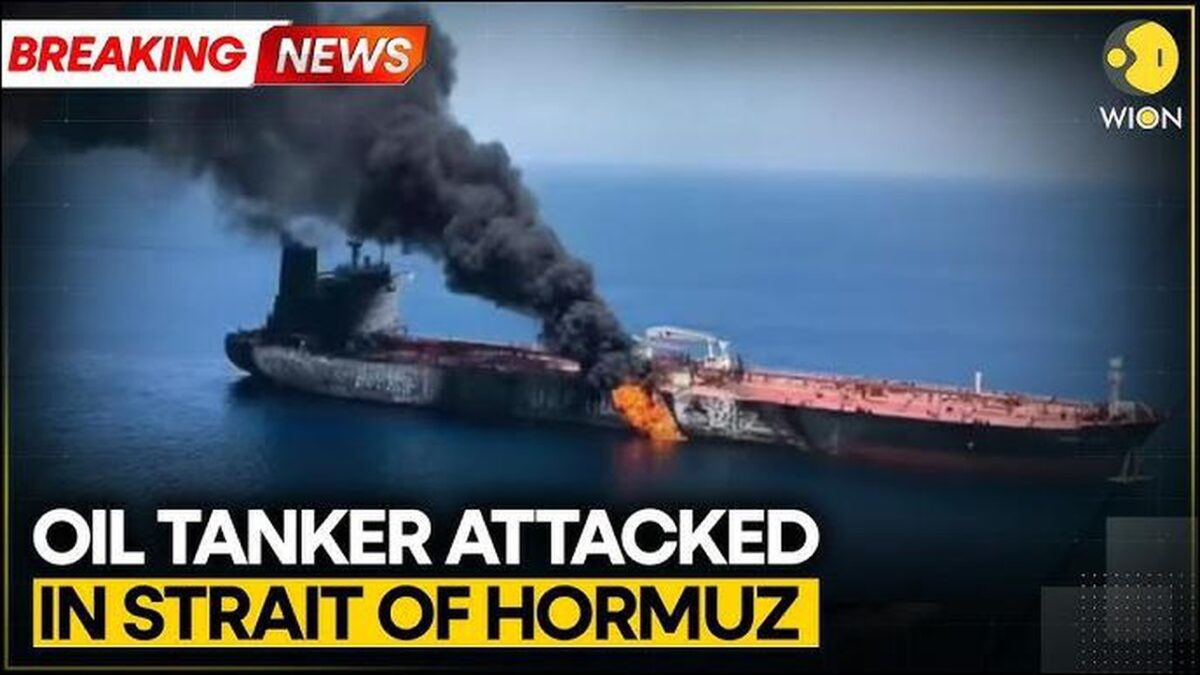
US Forces Strike Iran-Linked Tanker in Strait of Hormuz | Mariner News
The Strait of Hormuz, a critical choke point for global oil transport, once again finds itself at the center of escalating geopolitical tensions as U.S. forces recently engaged and struck an Iran-linked tanker. This incident, confirmed by U.S. Central Command (CENTCOM), marks a significant escalation in the ongoing maritime disputes in the strategically vital Strait of Hormuz and the adjacent Gulf of Oman. The repeated use of force against vessels suspected of breaching the American blockade on Iranian seaports underscores the fragile state of maritime security in the Middle East, sending ripple effects across international shipping and global energy markets. This latest strike highlights the complex challenges faced by international shipping lanes and the continuous need for vigilance in a region fraught with geopolitical instability.
The Incident: A Closer Look at the Naval Action
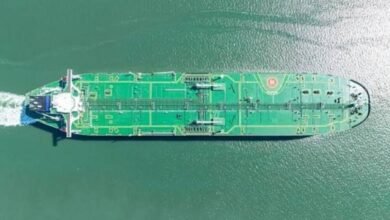
On Friday, U.S. forces engaged a merchant vessel attempting to navigate past the American blockade, marking the second incident since the naval cordon’s re-imposition. CENTCOM reported the vessel, potentially the tanker “Lavine” (IMO 9177686), repeatedly tried to breach the blockade in the Gulf of Oman. After the crew failed to comply with warnings, U.S. forces disabled the ship by striking its engine room. While video footage of the strike has not yet been released, the details provided by authorities paint a picture of a calculated and forceful response to perceived non-compliance.
The identification of the vessel itself has presented some complexities. While the name “Lavine” was circulated, corresponding to a Very Large Crude Carrier (VLCC) with IMO 9177686, maritime intelligence suggests that this specific IMO number has no recent AIS history of trading in the Middle East. This discrepancy raises questions about potential mistaken identity, deliberate name falsification, or sophisticated AIS manipulation designed to obscure the ship’s true origins or intentions.
Such tactics are not uncommon in regions where vessels attempt to circumvent international sanctions or naval blockades, adding layers of difficulty to real-time maritime intelligence and interdiction efforts. The challenges in definitively identifying vessels underscore the murky waters of clandestine shipping operations and the cat-and-mouse game played by various actors in the region, all while attempting to maintain maritime security in a vital global corridor.
Escalating Tensions and Maritime Blockades
This engagement is the latest in a volatile back-and-forth between U.S. and Iranian forces. Both have targeted merchant vessels and naval assets, heightening risk for maritime traffic in the Persian Gulf. The re-imposition of a naval cordon, designed to enforce sanctions against Iran, has fundamentally altered the operational landscape for shipping, particularly for those vessels engaged in trade activities with Iranian entities. The U.S. asserts its right to enforce these blockades as part of its foreign policy objectives, aiming to curb specific economic activities that it deems destabilizing.
However, Iran views such actions as a direct challenge to its sovereignty and a violation of international maritime law, particularly when operations occur in what it considers its territorial waters or exclusive economic zones. The strategic importance of the Strait of Hormuz, through which a significant percentage of the world’s seaborne oil passes, amplifies the stakes involved in these confrontations. Any disruption or perceived threat to navigation through this critical waterway has immediate global economic implications, affecting oil prices, supply chain stability, and the overall confidence of the international shipping industry.
The imposition of blockades and the subsequent use of force create a dangerous precedent, further militarizing a key global trade artery. This escalating cycle of actions and reactions profoundly impacts the stability of the entire Middle East shipping ecosystem, forcing major players to reconsider their strategies for navigating this complex and dangerous environment, ultimately affecting global oil transport and energy security.
Impact on Global Shipping and Trade Routes
The ongoing volatility and the threat of military engagement have significantly impacted shipping traffic and operational costs in the region. Maritime consultancy Kpler’s assessment highlighted a dramatic decrease in traffic, reporting merely six confirmed crossings on a specific day in July, a 60 percent reduction from the previous day. This sharp decline underscores the immediate deterrent effect of these strikes on commercial shipping. Furthermore, the vast majority of vessels that do traverse the area are reportedly opting for the Iranian-controlled lane past Larak, rather than the U.S.-controlled route past Oman. This routing preference suggests a calculated risk assessment by shipping companies, some of whom may have existing links to Iranian trade or perceive the Iranian-controlled route as offering a different, albeit potentially equally risky, set of challenges.
Beyond route selection, soaring maritime insurance costs are a tangible impact. War risk premiums for Gulf operations escalate dramatically after each incident, making transport through these waters increasingly expensive. This economic burden is ultimately passed down through the supply chain, potentially affecting consumer prices for a wide array of products dependent on Middle Eastern oil and gas.
The heightened potential for attacks, whether from military forces or non-state actors operating with state backing, makes the region an “avoid at all costs” zone for many insurers and charterers, unless absolutely necessary. This situation creates a challenging environment for global trade, particularly for oil tankers which are the primary targets or collateral damage in these skirmishes, impacting the secure transport of crude oil and petroleum products across vital shipping lanes.
Geopolitical Ramifications and Regional Stability
The repeated strikes and counter-strikes in the Strait of Hormuz are deeply intertwined with broader geopolitical dynamics in the Middle East. These incidents are not merely isolated maritime clashes; they are symptoms of a larger strategic rivalry between the United States and Iran, exacerbated by regional proxy conflicts and international sanctions. The actions of U.S. forces and the responses from Iranian-linked entities reflect a dangerous cycle of escalation that risks destabilizing an already volatile region. The implications extend beyond just maritime shipping; they touch upon international diplomacy, arms control, and the future of regional power balances. Global powers watch these developments closely, understanding that a miscalculation could trigger a wider conflict with devastating consequences for international security and the global economy, directly impacting geopolitical tensions.
The naval cordon’s pressure and retaliatory actions further entrench both sides’ positions, hindering de-escalation. Each incident fuels leverage and propaganda in the ongoing struggle for influence. For example, the targeting of an Iran-linked tanker is intended to enforce sanctions and deter illicit trade, but it can also be interpreted by adversaries as an act of aggression, fueling a desire for retaliation. This cycle perpetuates instability, making it difficult for regional stakeholders to pursue long-term economic development or diplomatic resolutions. The focus remains on short-term security measures and defensive postures, rather than collaborative efforts towards peace and stability in a region crucial for global trade.
Future Outlook for Maritime Security in the Gulf
The future of maritime security in the Strait of Hormuz remains uncertain, characterized by persistent threats and the potential for further escalation. The international community faces the challenge of ensuring the free flow of commerce through this vital waterway while navigating complex geopolitical rivalries. Diplomatic efforts are continually strained by incidents like the recent strike on the Iran-linked tanker, making it difficult to build consensus on solutions. The reliance on military force, while at times deemed necessary by involved parties, also carries inherent risks of unintended consequences and broadening the scope of conflict. Ensuring reliable and safe passage for merchant vessels, particularly crude oil tankers and gas carriers, is paramount for the global economy.
Sustained international cooperation, transparent communication, and adherence to international maritime law are crucial for de-escalation. However, deep-seated mistrust and conflicting strategic interests make this a formidable task. Shipping companies, insurers, and maritime organizations will likely continue to factor in high levels of risk when operating in the region, leading to elevated operational costs and potential disruptions to global supply chains. The monitoring of vessel movements, identification of suspicious activities, and sharing of intelligence will remain critical tools for mitigating risks, but ultimately, a political resolution is needed to address the root causes of the insecurity. The persistent threat to shipping traffic in this critical region will continue to demand global attention and strategic responses from all stakeholders concerned with international trade and security.
Conclusion
The recent U.S. strike on an Iran-linked tanker in the Strait of Hormuz is a stark reminder of the volatile state of maritime security in one of the world’s most critical shipping lanes. The incident, part of an ongoing pattern of military engagements and economic blockades, underscores the profound impact on global trade, insurance markets, and regional stability. As shipping traffic navigates these perilous waters, the international community watches closely, recognizing that the delicate balance of power in the Middle East directly influences the health of the global economy. Ensuring secure passage for all vessels, particularly the constant flow of oil tankers, remains a paramount challenge that requires a combination of robust security measures and concerted diplomatic efforts to prevent further escalation and ensure the long-term stability of this indispensable maritime corridor. The fate of global energy supplies and maritime commerce hinges on how these complex dynamics evolve in the months and years to come.