

US Disables Cargo Ship as Iranian Mines Strike Tankers in the Strait
US forces disable a vessel in the Gulf of Oman while Iranian mines hit three tankers, escalating the blockade and choking energy exports.
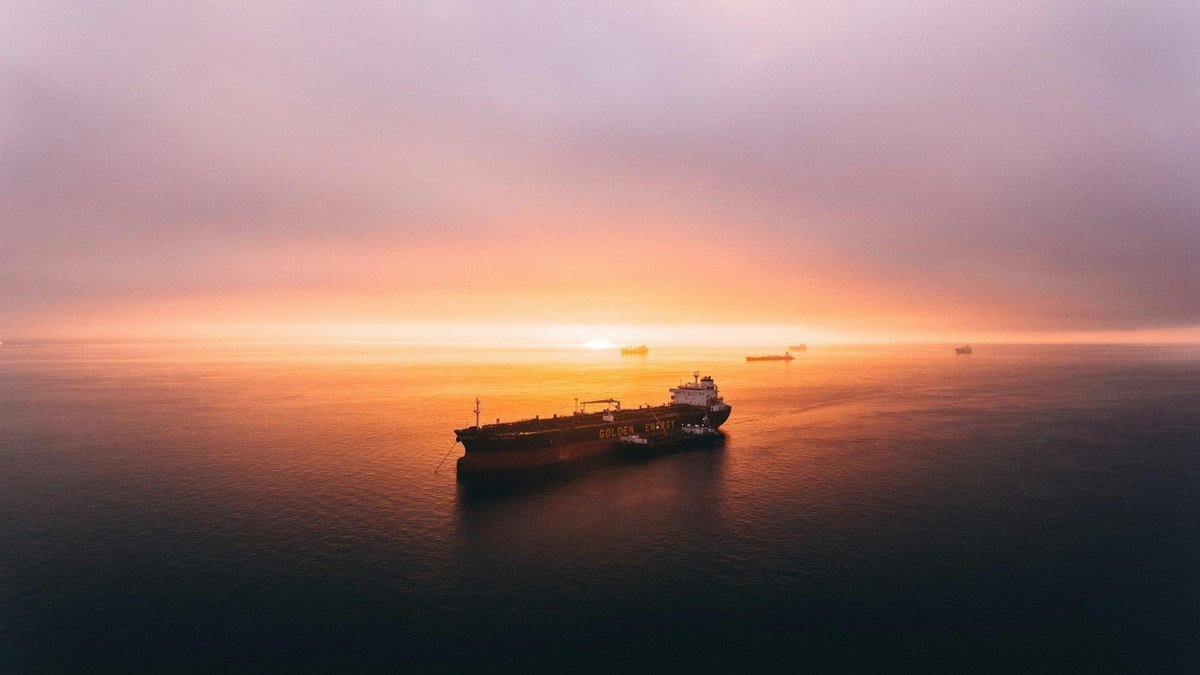
US forces disabled a commercial vessel in the Gulf of Oman while Iranian mines reportedly struck three tankers in the Strait of Hormuz, signaling a collapse in safe passage for energy and commodity exports through the region’s most critical chokepoint.
US Central Command confirmed its aircraft fired on and disabled a St. Kitts-flagged cargo vessel on Saturday. The military stated the ship was attempting to break the US blockade of Iran. UK Maritime Trade Operations (UKMTO) also reported an incident involving a bulk carrier and military forces 18 nautical miles east of Khor Fakkan, though it did not confirm if this was the same vessel.
In the Strait of Hormuz, Iran’s Revolutionary Guards Navy reported that two oil tankers caught fire after hitting mines while using what it called unauthorized routes. The semi-official Fars news agency later reported a third tanker suffered an explosion and fire. These incidents follow months of Iranian efforts to block Gulf energy exports in retaliation for US and Israeli attacks that began in February.
On land, explosions hit Qeshm Island in the Strait. While the Tasnim news agency reported two missile strikes, Iranian state television suggested the blasts were related to domestic military activity. Meanwhile, the Saudi energy ministry confirmed that debris from an attempted attack damaged a Saudi Aramco administrative building in Riyadh on Sunday.
Why it matters
The simultaneous disabling of a commercial vessel by the US and the mining of tankers by Iran means the Strait of Hormuz has transitioned from a high-risk zone to an active combat theater. For shipowners and charterers, the Iranian claim that tankers hit mines in unauthorized routes suggests that standard transit lanes are no longer reliable or are being intentionally avoided to bypass the US blockade. This makes the waterway effectively impassable for commercial tonnage without extreme risk of hull loss or military intervention.
The US blockade, in place since April, has now moved into a kinetic phase where commercial vessels are being physically disabled. This raises the stakes for insurers, who must now account for both state-sponsored mining and direct US military action against merchant ships. Any vessel perceived to be aiding Iranian trade faces the immediate threat of being fired upon by US assets, while those attempting to navigate the Strait risk total destruction from mines.
The damage to Saudi Aramco facilities in Riyadh further broadens the risk for energy infrastructure beyond the water. As the conflict between Saudi Arabia and Houthi forces escalates, land-based terminals and administrative hubs are becoming targets. This volatility is strangling the export of energy and commodities vital to the global economy, with no immediate relief in sight despite ongoing mediation efforts by Qatar.
What to watch
The next trigger for the market will be Washington’s formal response to Iran’s seven-point proposal, which includes demands for sanctions relief and war reparations. Additionally, the operational launch of a new US task force targeting Iranian supply lines through the Caspian Sea will determine if the economic pressure on Tehran expands to northern trade routes.
Source: gCaptain