

Navig8 Messi Struck by IRGC Drone in Strait of Hormuz
The Navig8 Messi tanker caught fire after an IRGC drone strike in the Strait of Hormuz, as regional transit traffic drops to single-digit counts.
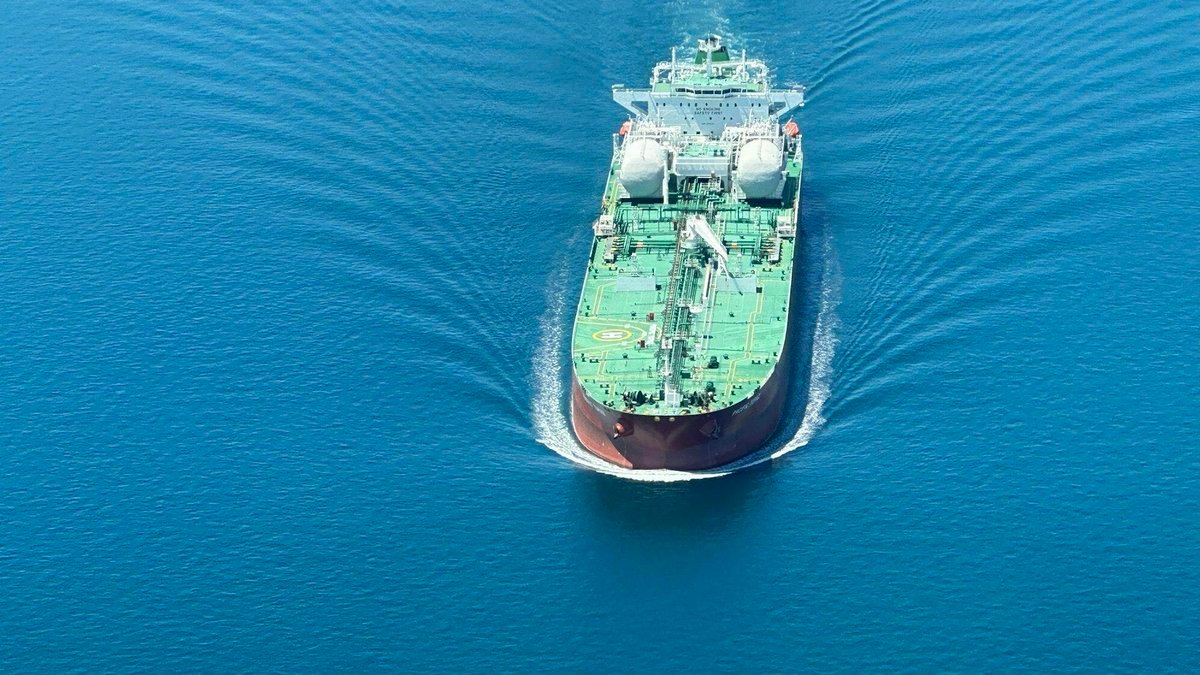
The Navig8 Messi, an oil products tanker indirectly owned by UAE-based ADNOC L&S, caught fire on Saturday following a drone strike by the IRGC in the Strait of Hormuz. The vessel was transiting approximately eight nautical miles off the coast of Khasab, Oman, when it was hit, forcing the evacuation of the crew.
Open source intelligence analysts identified the vessel as the same tanker targeted by an IRGC drone strike on August 13. The ship had undergone repairs following that incident before returning to the trade lane. Video footage from the scene shows a cargo fire burning amidships with firefighting tugs actively working to contain the blaze.
The UKMTO reported a second attack on a separate vessel during an outbound transit of the strait on the same day. The company security officer for that ship confirmed it was hit by a projectile, though all crew members remain safe.
Why it matters
The repeat targeting of the Navig8 Messi signals a heightened operational risk for vessels returning to trade lanes after previous attacks. For owners and charterers, the incident demonstrates that repairs and a return to service do not mitigate the threat posed by the IRGC’s persistent surveillance and targeted actions in the strait.
The current transit environment is increasingly restrictive. Traffic through the waterway has fallen to single to low-double-digit counts per day, a sharp decline from the escort levels observed earlier last week. This reduction in volume suggests that commercial operators are reacting to the persistent risk of UAV overflights and VHF hailing by limiting transit frequency.
The situation is further complicated by broader naval activity in the region. On Saturday, U.S. forces disabled an Iran-linked bulker, the Huda, after the vessel reportedly ignored warnings to avoid a U.S. naval blockade. With both commercial tankers and bulkers facing kinetic threats from opposing forces, the Strait of Hormuz is experiencing a contraction in normal shipping activity that creates significant uncertainty for scheduling and operational planning.
What to watch
Market participants should monitor daily transit counts and official UKMTO advisories for further changes in the security posture within the Strait of Hormuz.
Source: The Maritime Executive