

Iraq Secures US Understanding for Oil Exports via Hormuz Shipping Lane
Iraq reaches an understanding with the US to maintain oil exports through the Strait of Hormuz, aiming to recover from $60 billion in war-related losses.
Iraq Secures US Understanding for Oil Exports via Hormuz Shipping Lane
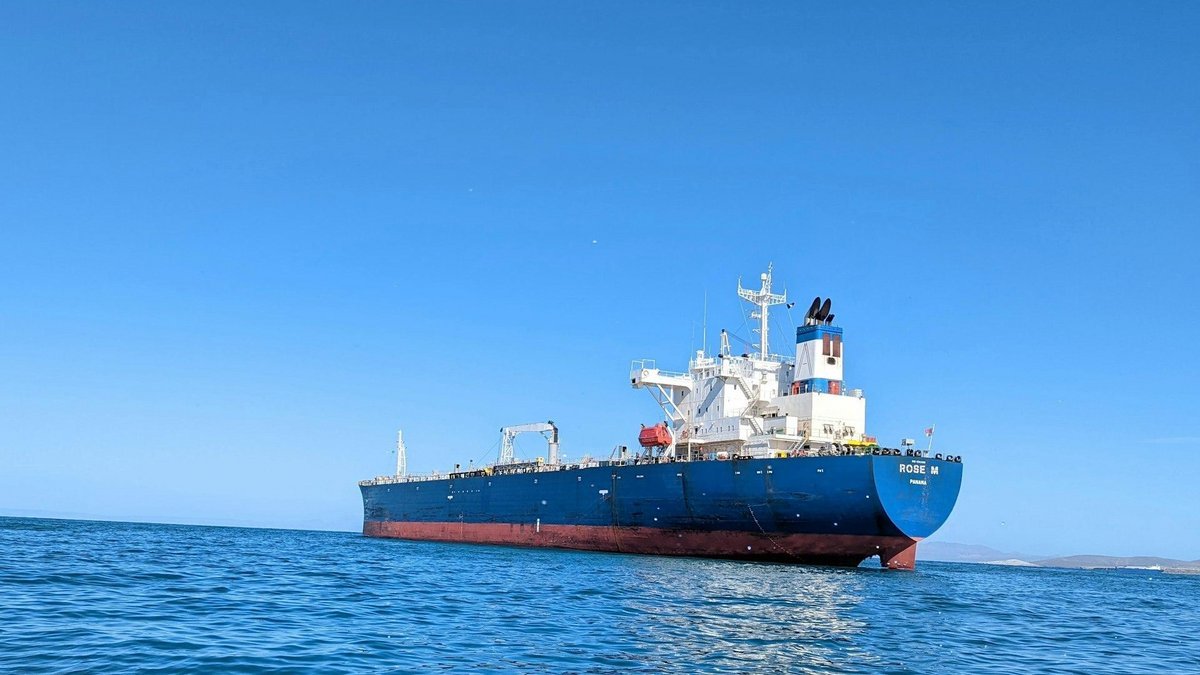
Iraq has reached an understanding with the United States to maintain oil exports through the Strait of Hormuz, utilizing a shipping lane near Oman. Foreign Minister Fuad Hussein confirmed the arrangement in an interview with Al Jazeera, marking a strategic effort to stabilize the country’s energy trade.
The agreement follows a period of volatility for Iraqi energy logistics. According to Iraqi energy officials, national oil exports rebounded to approximately 3.5 million barrels per day (bpd) in October, a significant recovery from the 2.65 million bpd recorded in September.
Why it matters
For shipowners and charterers, the confirmation of a secure passage through the Strait of Hormuz provides a necessary baseline for operational planning in a region currently defined by high freight rates and shifting trade strategies. Iraq’s stated $60 billion in losses resulting from war-related disruptions underscores the financial pressure on the state to keep these volumes moving.
The reliance on a specific shipping lane near Oman suggests that vessel operators must maintain strict adherence to designated transit corridors to benefit from this diplomatic understanding. While the deal offers a path to export stability, the broader maritime market remains sensitive to the ongoing conflict, which has already forced sellers to deepen discounts on heavy crude grades to offset soaring tanker rates.
For insurers and traders, the durability of this understanding will be tested by the broader geopolitical climate in the Gulf. Any deviation from these established lanes or further escalation in the region could quickly alter the risk profile for tankers moving Iraqi crude, regardless of the current diplomatic alignment with the US.
What to watch
Market participants should monitor whether the US government grants approval for the use of sanctioned tankers currently in talks to return to service, as this would further influence the availability of tonnage for regional crude exports.
Source: gCaptain