

U.S. Navy Signals Shift to 11-Month Deployments Amid Operational Strain
U.S. Navy leadership warns of 11-month deployments as Middle East operations and maintenance backlogs strain the fleet's logistical capacity.
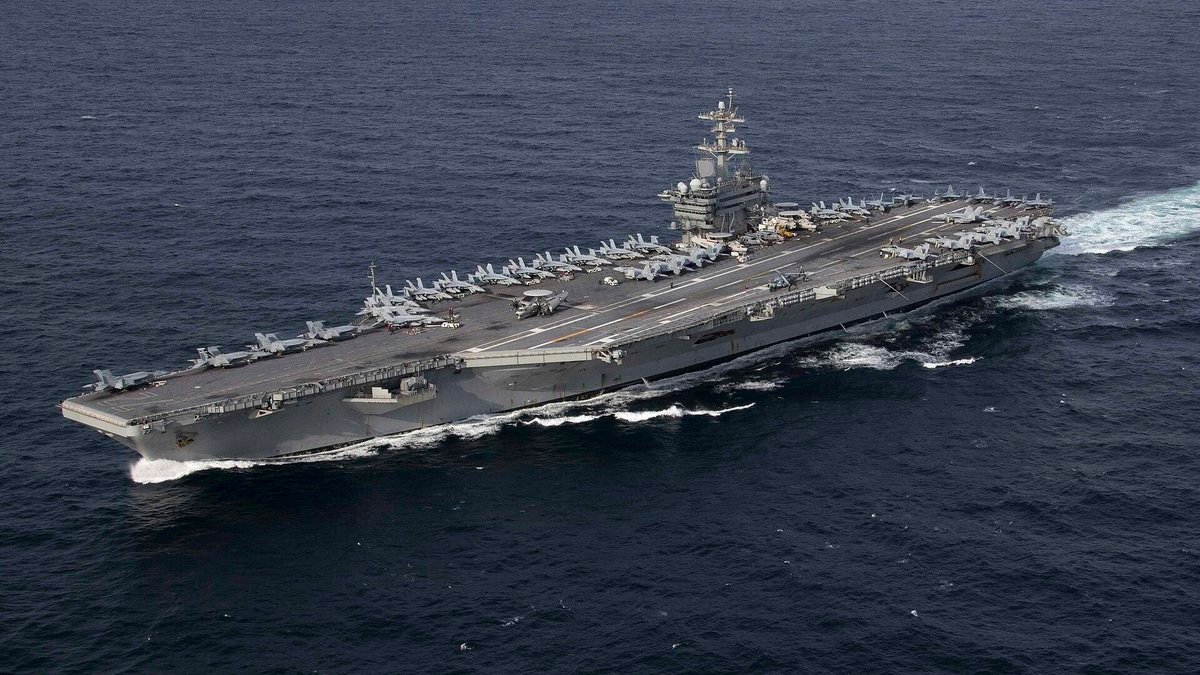
U.S. Navy leadership has warned sailors and their families to prepare for deployments extending to 11 months, a significant departure from traditional operational cycles driven by escalating Middle East tensions and a strained logistical tail. The announcement signals a shift toward a high-tempo, reactive posture that is outstripping the service’s current budget and maintenance capacity.
Chief of Naval Operations Admiral Daryl Caudle and Master Chief Petty Officer of the Navy John Perryman confirmed that the service has limited recourse when higher commands order deployment extensions. While the Navy submits appeals detailing the negative impacts of these extensions, the final decision rests outside the service’s direct control, leaving crews to face prolonged periods at sea with little notice.
The Maintenance Debt and Logistical Friction
The move to nearly year-long deployments highlights a critical friction point in maritime logistics: the inability to sustain vessels at peak combat readiness without regular port calls. Officials noted that extended operations in the Middle East have forced ships to remain at sea for months without the ability to resupply or conduct routine pier-side maintenance. This operational reality is creating a compounding maintenance debt that Admiral Caudle warned would take years to recover from.
Beyond the mechanical toll, the financial burden of these unplanned extensions is cannibalizing future readiness. Funding for operations like Epic Fury was not accounted for in the 2026 budget, forcing the Navy to divert existing funds to cover immediate operational costs. For the maritime industry, this suggests a looming period of reduced hull availability as ships eventually return to overtaxed shipyards for extensive, overdue repairs.
Human Cost and Fleet Readiness
The human element of these extended cycles has already reached a breaking point, as evidenced by the recent deployment of the USS Abraham Lincoln. The carrier strike group faced severe quality-of-life issues, including shortages of fresh water and food, clogged sanitation systems, and significant delays in mail delivery. The Navy confirmed that the mental health of the crew deteriorated during the extension, with eight sailors reportedly attempting to jump overboard.
The lack of clarity regarding return dates is a primary driver of this instability. Perryman noted that uncertainty is as damaging to morale as the length of the deployment itself. While the USS George Washington has since replaced the Lincoln, the precedent for 10- to 11-month rotations appears set for the foreseeable future.
This shift in deployment length indicates that the U.S. Navy is prioritizing immediate presence over long-term fleet health. For the broader maritime sector, the second-order implication is a Navy that may become increasingly reliant on commercial logistics and contracted maintenance to bridge the gap as its own organic support structures struggle to keep pace with an 11-month operational standard.
Source: Marine Insight