

Royal Navy Monitors Surge in Russian Escorts Through English Channel
The Royal Navy reports a 25% increase in Russian activity as warships escort sanctioned cargo ships through the English Channel.
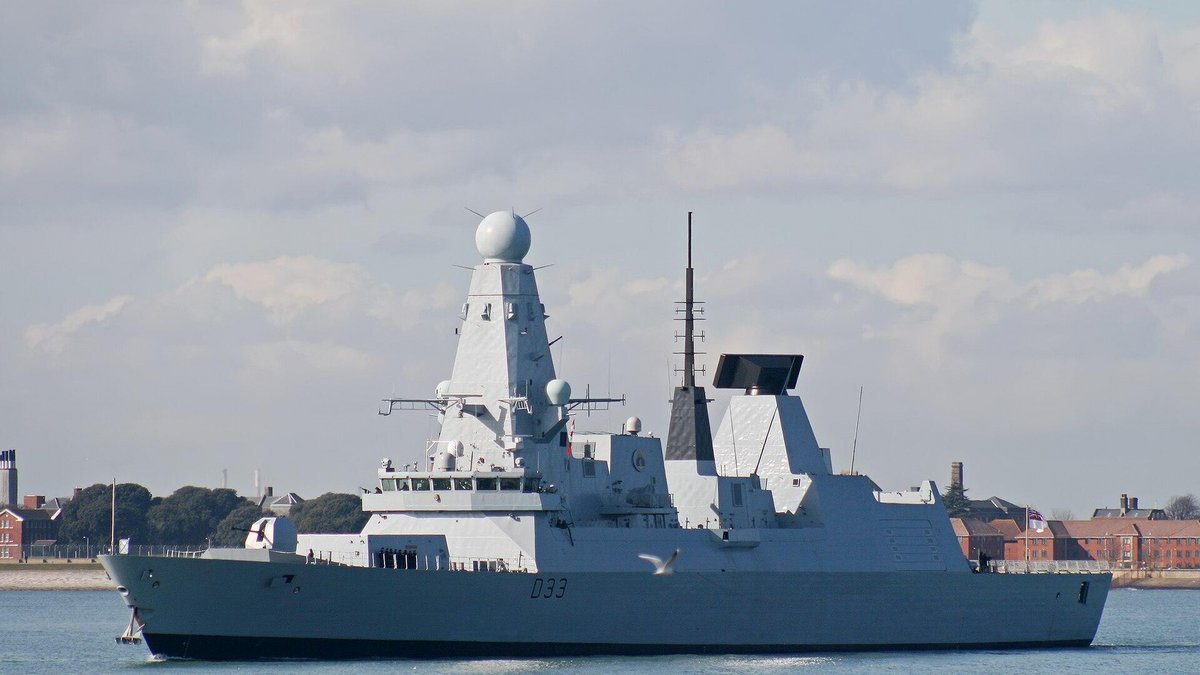
The Royal Navy has completed a series of intensive monitoring operations in response to a 25 percent surge in Russian naval activity around United Kingdom waters. The 17-day period of focused surveillance, which concluded in mid-October, highlights an evolving pattern where Russian warships are increasingly used to provide direct escorts for sanctioned cargo vessels and landing ships transiting the English Channel.
During the first seven months of the year, UK commanders reported a significant uptick in Russian movements, a trend that appears to be accelerating. The most recent operations involved the Type 45 destroyer HMS Dauntless and the patrol ship HMS Tyne, supported by Wildcat and Merlin helicopters, as they shadowed Russian assets through the Channel and the Outer Hebrides.
Escort Operations for Sanctioned Tonnage
A primary focus of the recent tasking was the Russian frigate RFN Neustrashimy. From October 1 to 14, HMS Dauntless and HMS Tyne were deployed to monitor the frigate as it escorted sanctioned cargo ships through the English Channel. This development marks a shift toward the normalization of military protection for Russian commercial logistics in high-traffic international waterways.
Following the handover of the Neustrashimy to HMS Dauntless, HMS Tyne intercepted the Ropucha-class landing ship RFN Aleksandr Shabalin. The landing ship was escorting the cargo vessel MV Energy-2 and the tugboat Proton toward the Baltic region. The persistence of these escorts suggests a strategic effort by Moscow to ensure the security of its supply chains against potential interference or to project strength along critical European maritime corridors.
Intelligence Gathering and Rapid Deployment
While surface combatants monitored the Channel, the Royal Navy also launched Operation Iceblast to track the Vishnya-class intelligence-gathering ship Viktor Leonov. Merlin helicopters were deployed at short notice from RNAS Culdrose to Glasgow Prestwick Airport to maintain surveillance on the vessel as it monitored NATO’s Exercise Strike Warrior off the Scottish coast.
The operation served a dual purpose, functioning as both a security mission and a high-readiness test for the Merlin Helicopter Force. By deploying away from their home base on short notice, the Royal Navy tested its ability to sustain force projection in response to unpredictable Russian movements. This reactive posture is becoming a standard operational requirement as Russian intelligence vessels continue to shadow allied training exercises involving thousands of personnel.
The increased frequency of these encounters is forcing a higher operational tempo for the Royal Navy’s patrol and destroyer fleets. As Russian activity remains at elevated levels, the routine nature of these intercepts provides the UK with critical data on Russian transit patterns and the specific composition of the sanctioned logistics chains currently operating between the North Sea and the Baltic.
Source: The Maritime Executive