

Transpacific Spot Revenue Outpaces Cape Routes Fivefold
Transpacific container trade generates five times more revenue per nautical mile than Cape routes, driving a massive shift in liner capacity deployment.
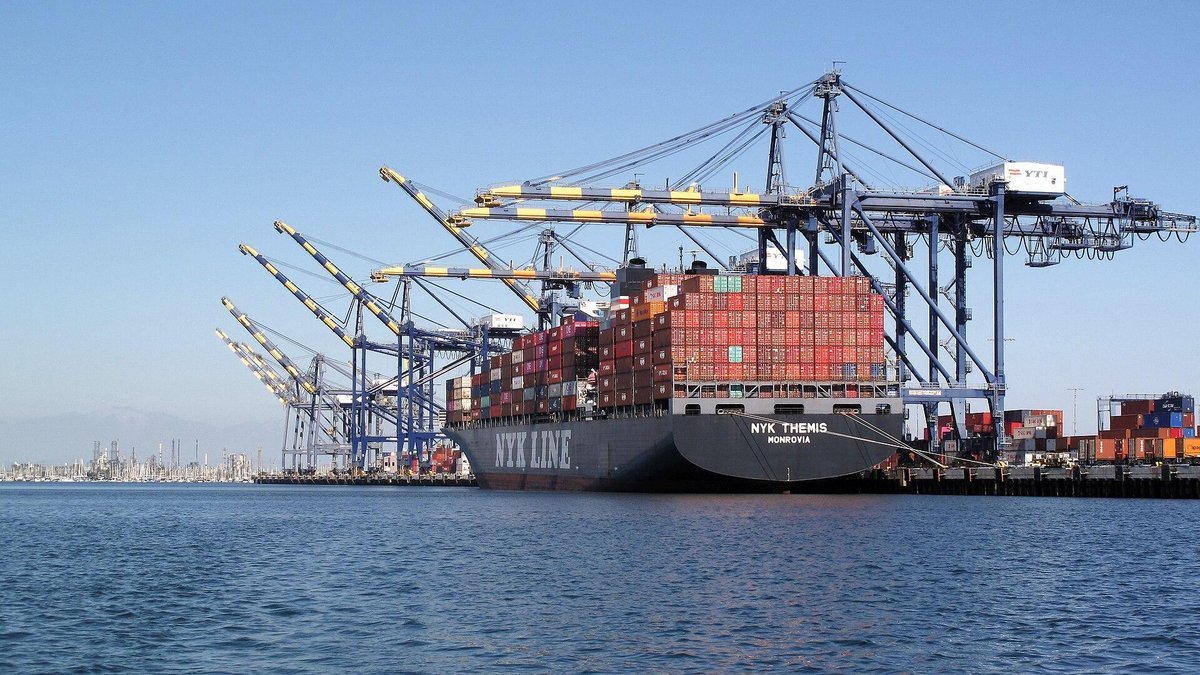
The transpacific has emerged as the world’s most lucrative container shipping trade, with carriers earning five times more spot revenue per nautical mile on the Shanghai–Los Angeles route compared to voyages to North Europe via the Cape of Good Hope. Alphaliner data reveals that the Shanghai–Los Angeles trade generates $1.30 per container per nautical mile, dwarfing the 26 cents earned on the Shanghai–Rotterdam route.
This extreme revenue divergence is fundamentally altering liner strategy, as carriers prioritize the Pacific to capture higher margins. The shift is evidenced by the deployment of 23,600 teu megamaxes on services like MSC’s Sentosa, replacing smaller 15,000 teu vessels. ZIM is also expanding its footprint with a new China–California service launching in December, building on a network where it already allocates 52% of its total capacity.
The non-obvious implication of this capacity surge is a potential vulnerability in global network balance. By aggressively concentrating tonnage on the Pacific to chase high spot rates, carriers are creating a feedback loop where nominal capacity is inflated by port congestion and delayed turnarounds. This suggests that the current resilience of transpacific rates may be partially sustained by operational inefficiencies that prevent the market from correcting despite the massive influx of new tonnage.
While COSCO reported a doubling of third-quarter liner profits to $2.66bn, driven largely by a 61.2% surge in transpacific revenue, the market is showing early signs of fatigue. Drewry reports recent weekly declines in spot rates for both Los Angeles and New York, coinciding with forecasts of an 11% month-on-month drop in US ocean imports for November.
Despite these cooling signals, the transpacific remains historically elevated, with rates roughly $5,500 per feu higher than pre-peak-season levels. With weekly Asia–US west coast capacity expected to hit 400,000 teu in November, the market’s ability to absorb this supply through the upcoming Lunar New Year cycle will determine whether the trade maintains its status as the industry’s primary profit engine.
Source: Splash247