

Secondary Port Congestion Drives Intra-Asia Container Rate Hikes
Congestion at Jakarta and Ho Chi Minh City keeps intra-Asia rates high as landside bottlenecks and equipment shortages offset hub improvements.
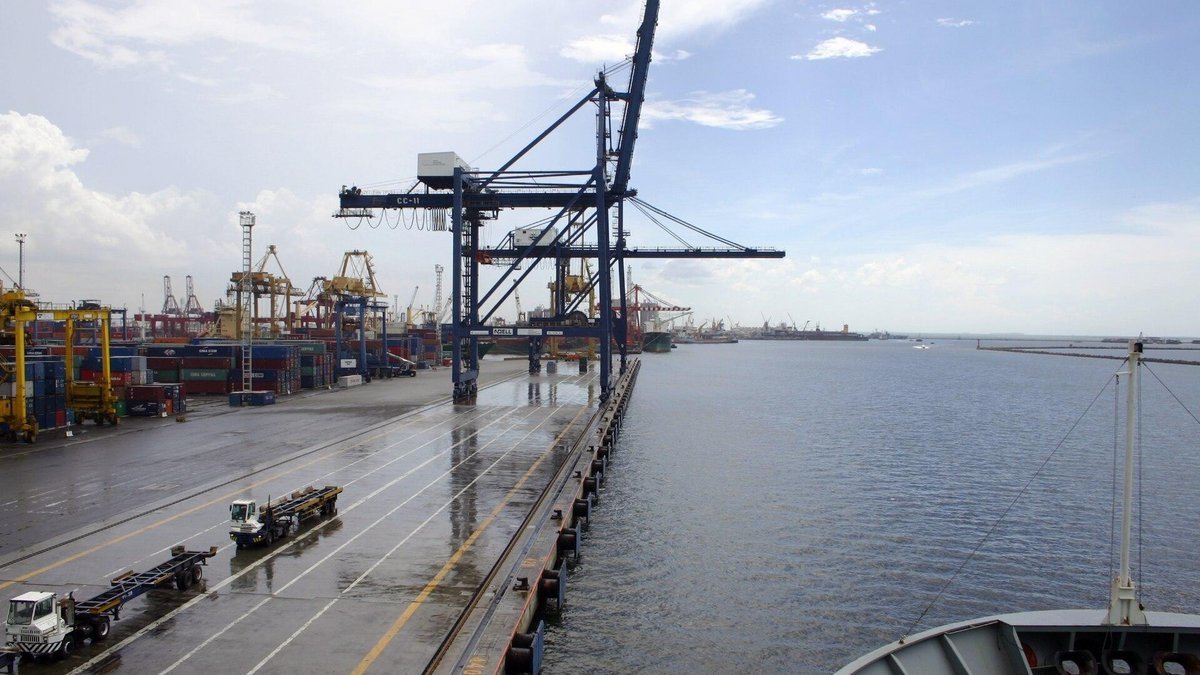
Persistent congestion at secondary Southeast Asian ports is sustaining upward pressure on intra-Asia container freight rates, even as operational conditions improve at major Chinese gateways and transhipment hubs like Singapore.
The Drewry Intra-Asia Container Index (IACI) rose $46 to $1,504 per 40ft this week. While spot rates from Greater China to North-east and South-east Asia remained largely stable, localized bottlenecks in Indonesia and Vietnam are preventing a broader market correction.
Landside Bottlenecks in Jakarta
Tanjung Priok, Jakarta’s primary gateway, is currently struggling with vessel bunching and a severe mismatch between terminal capacity and landside infrastructure. While the state-owned operator Pelindo launched Terminal 2 Petikemas in August, the critical New Priok Eastern Access road is not expected to be completed for another 20 months.
This infrastructure lag has created a secondary crisis in equipment availability. Forwarders report that slow vessel turnarounds have made shipping lines increasingly reluctant to absorb the costs of repositioning empty containers into Jakarta. This reluctance is driving a localized equipment shortage, which in turn pushes up the price of available containers and adds a premium to freight rates independent of vessel supply.
Worsening Delays in Vietnam
In Ho Chi Minh City, average vessel waiting times have nearly tripled over the last fortnight, jumping from eight to 22 hours. Despite the worsening congestion, rates from Shanghai to Ho Chi Minh City remained flat at $44 per 40ft, though other routes like Jakarta to Shanghai saw a 9% weekly increase to $81 per 40ft.
The Shanghai Containerised Freight Index (SCFI) reflected this regional tension, with the Shanghai-South-east Asia rate rising 2% to $1,164 per teu. In contrast, rates to more fluid hubs like Singapore and Tanjung Pelepas saw modest declines of 2% to 3%.
To address demand on the Straits–Indonesia corridor, Pacific International Lines (PIL) is launching its fortnightly JKS service today. Deploying two vessels between 1,900 and 2,600 teu, the service will call at Singapore, Laem Chabang, and Jakarta, adding capacity to a trade lane currently defined by landside constraints.
Source: The Loadstar