Towngas Green Methanol Project Hosts HK Delegation | Mariner News
The global shipping industry stands at a pivotal juncture, facing immense pressure to decarbonize its operations and transition towards more sustainable energy sources. In this critical endeavor, green methanol is rapidly emerging as a frontrunner among alternative marine fuels. Highlighting its commitment to this greener future, The Hong Kong and China Gas Company Limited (Towngas) recently hosted a high-profile Hong Kong delegation at its innovative green methanol production facility in Inner Mongolia. This significant visit underscored Towngas’ ambitious plans to scale up the development and supply of this crucial sustainable fuel for the burgeoning marine sector, marking a substantial step forward in global shipping decarbonization. The initiative not only showcases technological prowess in renewable energy but also solidifies strategic partnerships aimed at fostering a sustainable transport ecosystem. The delegation’s tour provided firsthand insight into how waste biomass is being transformed into a viable, low-carbon marine fuel, setting a precedent for environmental responsibility and industrial innovation within the maritime industry.
Pioneering Green Methanol Production with VENEX in Inner Mongolia
At the heart of Towngas’ groundbreaking efforts lies the green methanol project in Inner Mongolia, operated through its joint venture, VENEX. This facility exemplifies a truly circular economy approach, utilizing an unexpected yet highly sustainable feedstock: waste branches from sand willow and other shrubs. These organic materials are meticulously collected in collaboration with local communities, transforming what would otherwise be agricultural waste into valuable renewable energy. The vegetation itself plays a dual role, as it is primarily grown to combat desertification, an ecological challenge in arid regions. The delegation had the opportunity to witness this synergistic relationship firsthand, visiting sites supported by the Ant Forest ecological project, which champions environmental protection and sustainable land management. This innovative integration of ecological restoration with advanced biofuel production positions Towngas at the forefront of the sustainable energy transition, demonstrating a scalable model for producing clean marine fuel while simultaneously addressing critical environmental issues. The project’s success is a testament to Towngas’ vision for a future powered by responsible and renewable resources, providing a tangible pathway to significantly reduce carbon emissions in the maritime sector.
Hong Kong’s Strategic Interest in Sustainable Shipping Solutions
The composition of the Hong Kong delegation itself spoke volumes about the region’s strategic commitment to advancing sustainable shipping. Led by Hong Kong’s esteemed Transport and Logistics Bureau, the diverse group included representatives from a wide array of 14 companies, organizations, and universities. This broad representation – encompassing industry leaders, academic researchers, and policy makers – underscored the collective recognition of the urgency to embrace green marine fuels and sustainable transport solutions. Hong Kong, a vital international maritime hub, understands the imperative of adapting to global decarbonization mandates and leveraging innovative technologies like green methanol to maintain its competitive edge. The visit served as a crucial platform for these stakeholders to gain deeper insights into the practicalities of large-scale green methanol production and explore potential collaborations that could further integrate these sustainable fuels into Hong Kong’s extensive shipping and logistics networks. Their engagement signifies a concerted effort to position Hong Kong as a leader in the global shift towards carbon-neutral shipping, ensuring its maritime infrastructure is prepared for the demands of a cleaner, greener future.
Forging Alliances for Green Marine Fuel Advancement
Beyond the facility tour, the delegation’s itinerary included a significant event in Beijing: a green marine fuel industry cooperation symposium. Hosted by the Global Sustainable Transport Innovation and Knowledge Center (GSTIKC), this symposium provided an invaluable forum for dialogue, knowledge exchange, and the forging of new partnerships. A pivotal moment during this event was the signing of a strategic Memorandum of Understanding (MoU) between Towngas and GSTIKC. This landmark agreement is poised to significantly expand cooperation in the crucial domain of green fuels. Such strategic alliances are indispensable in accelerating the development, deployment, and adoption of alternative marine fuels across the global maritime industry. By pooling resources, expertise, and innovative approaches, Towngas and GSTIKC aim to collectively overcome the challenges associated with scaling up green methanol production and integrating it into the complex web of global supply chains. This collaboration will likely foster further research, technological advancements, and policy advocacy, ultimately propelling the shipping sector towards its ambitious decarbonization targets and fostering a more sustainable transport future worldwide.
The Accelerating Demand for Green Methanol as Marine Fuel
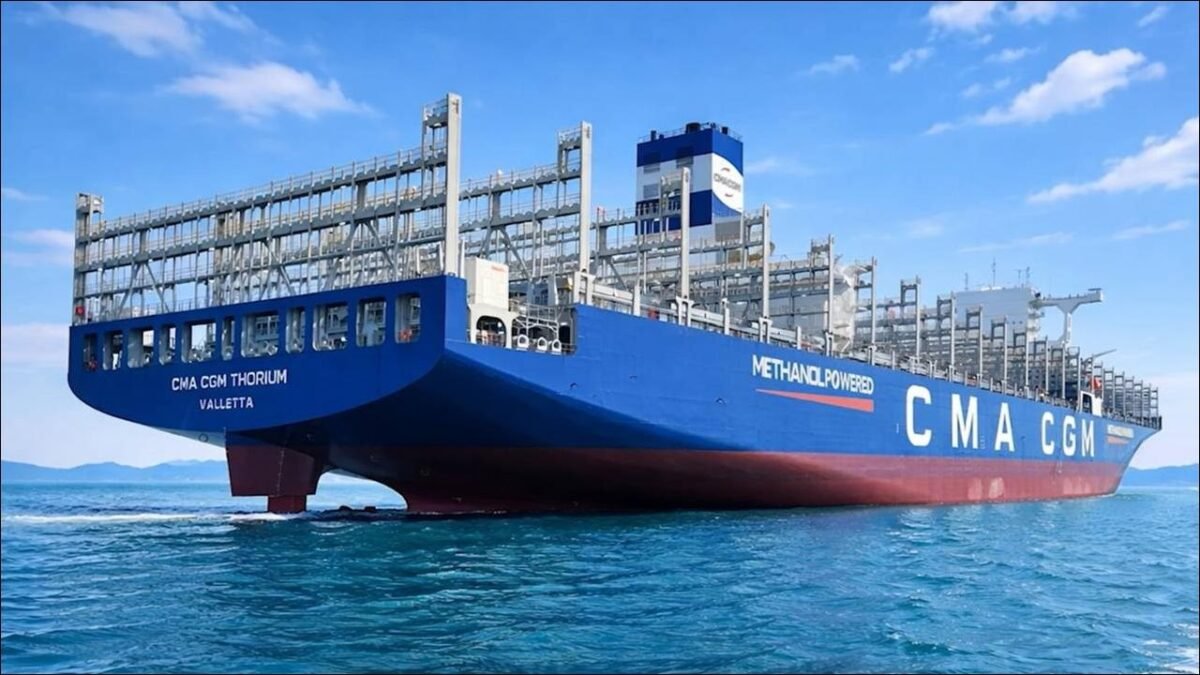
The maritime sector is witnessing an undeniable surge in the adoption of methanol dual-fuel ships, with major shipping lines increasingly investing in these vessels as a viable pathway to reduce their environmental footprint. This rapid fleet modernization is, in turn, fueling a projected exponential growth in demand for green methanol as a preferred marine fuel. Industry analysts predict that green methanol will play a critical role in meeting the International Maritime Organization’s (IMO) ambitious targets for reducing greenhouse gas emissions from shipping. Its appeal stems from several key advantages: it is a clean-burning fuel that significantly reduces sulfur oxides (SOx), nitrogen oxides (NOx), and particulate matter emissions, and it offers a pathway to near-zero carbon emissions when produced from renewable sources like the waste biomass utilized by Towngas. Furthermore, methanol is liquid at ambient temperatures, making its storage and bunkering relatively straightforward compared to other alternative fuels like hydrogen or ammonia. As regulatory pressures intensify and environmental consciousness grows among consumers and businesses, the strategic importance of projects like Towngas’s Inner Mongolia facility becomes even more pronounced. These initiatives are not merely about producing fuel; they are about building the foundational infrastructure and supply chains necessary to support a global fleet committed to carbon neutrality and sustainable operations.
Towngas’ Vision and the Future of Sustainable Shipping
Towngas’ green methanol project is more than just an industrial operation; it embodies a forward-thinking vision for a sustainable future, demonstrating how corporate responsibility can align with environmental stewardship and economic growth. By actively investing in renewable energy solutions and fostering international collaborations, Towngas is positioning itself as a key enabler of global shipping decarbonization. The success of this Inner Mongolia project, leveraging waste biomass for green methanol production, provides a powerful model that can be replicated and scaled across different regions, potentially inspiring similar initiatives worldwide. This holistic approach not only addresses the immediate need for cleaner marine fuels but also contributes significantly to local ecological restoration efforts through the Ant Forest project, creating a positive ripple effect beyond just energy production. The company’s commitment extends to exploring further technological innovations and expanding its portfolio of sustainable fuels, aiming to meet the evolving demands of a rapidly greening maritime industry. As more nations and corporations commit to stringent carbon reduction goals, Towngas’s pioneering efforts serve as a beacon, illustrating a practical and impactful path towards achieving a truly carbon-neutral shipping future. The collaboration with the Hong Kong delegation and GSTIKC underscores the collective resolve to accelerate this vital energy transition, ensuring that the oceans remain pathways for commerce without compromising the planet’s health.
Conclusion: A Green Horizon for Marine Fuel
The visit of the Hong Kong delegation to Towngas’ green methanol project in Inner Mongolia represents a landmark moment in the journey towards sustainable shipping. It powerfully demonstrates the synergy between innovative renewable energy production, ecological conservation, and international cooperation. Towngas’ commitment to transforming waste biomass into a viable marine fuel, coupled with strategic partnerships like the MoU with GSTIKC, is paving the way for a cleaner, more resilient maritime industry. As the global fleet increasingly embraces methanol dual-fuel technology, the demand for sustainably produced green methanol will only escalate. Initiatives such as this are crucial for meeting future energy demands while simultaneously achieving ambitious global decarbonization targets. The collaborative efforts witnessed during this visit reinforce the notion that a truly sustainable future for shipping is not just an aspiration but an achievable reality, driven by visionary companies and concerted international action. The horizon for marine fuel is indeed becoming greener, with green methanol leading the charge towards a carbon-neutral shipping era.