Tauranga electric straddle trial exposes port power infrastructure limits

Port of Tauranga starts New Zealand's first electric straddle trial, targeting 50% of its Scope 1 emissions while testing grid capacity.
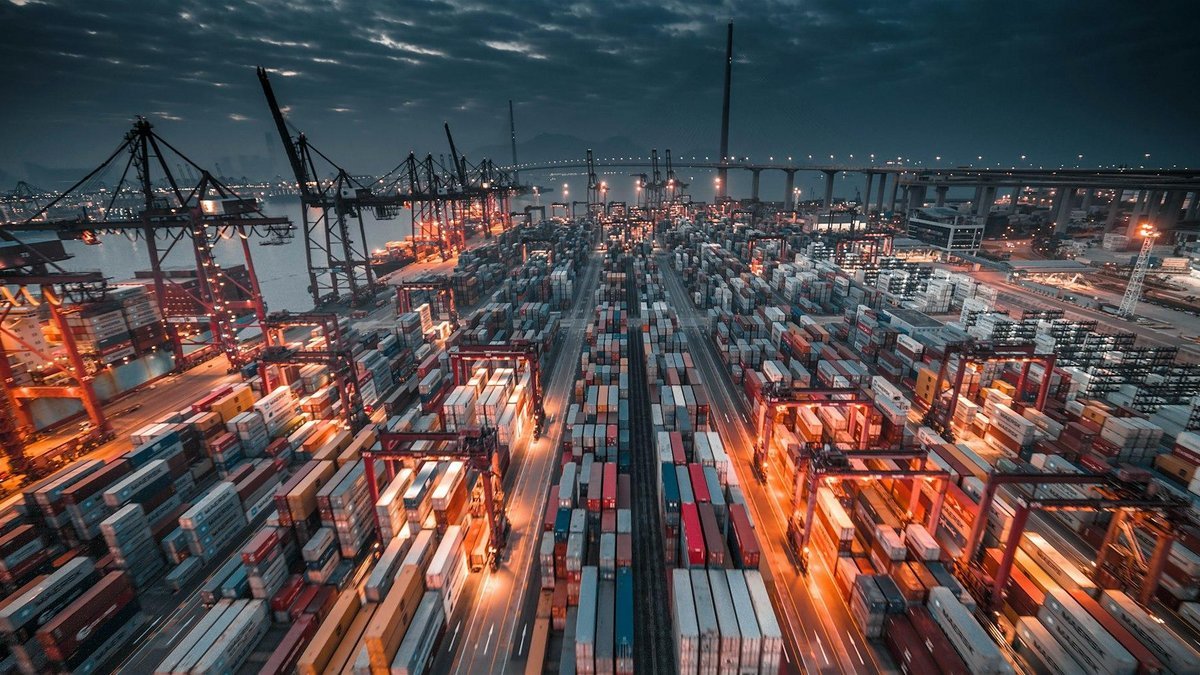
Port of Tauranga has launched New Zealand’s first electric straddle carrier trial, a move that targets the 50% of Scope 1 emissions generated by its diesel fleet but exposes the massive power infrastructure hurdles required for a full-scale rollout.
The port started operations this month with a Kalmar fully electric machine in a project designed to test reliability, charging times, and driver training. The NZ$3.5 million project received NZ$447,000 from the Government’s Low Emission Transport Fund to accelerate the transition from diesel-electric models.
Tauranga currently operates a fleet of 53 straddle carriers. While a quarter of these are already hybrids, diesel consumption in these machines remains the port’s single largest source of greenhouse gas emissions. A 2024 study by Energy NZ found that straddle carriers are responsible for 44% of all fuel consumption at New Zealand ports, significantly more than the 26% attributed to marine tugs.
Why it matters
For terminal operators in Tauranga, Auckland, Lyttelton, and Otago, the success of this trial hinges on more than just the machine’s ability to move containers. The real challenge is the grid. Replacing a full fleet of 50 straddles would require a charging load of 5-10 MVA if the machines charge simultaneously during shift breaks. This volume of power could overwhelm local electrical infrastructure without massive additional investment in stationary batteries or battery-swapping systems.
The trial suggests that decarbonizing terminal operations will be a tiered process. Tauranga is taking a cautious approach, taking delivery of six new hybrid straddles alongside the single electric unit. These hybrids are already 25% more fuel-efficient than older models, providing immediate emissions reductions while the port assesses if the electric alternative can handle the 22-hour-per-day intensity of a busy terminal.
There is a clear operational win in operator recruitment and retention. Early feedback from Tauranga indicates that drivers prefer the electric machine for its quiet operation and improved ergonomics. In an industry where labor availability and noise regulations are constant pressures, the amenability of the equipment is a concrete commercial advantage.
What to watch
The port will now monitor charging times and maintenance requirements to see if the electric unit can match the uptime of its hybrid and diesel counterparts. Any decision to scale up will likely require a simultaneous commitment to high-capacity stationary battery storage at the terminal.