EU Parliament blocks Indian yards from approved recycling list

MEPs reject two Alang yards for the EU approved list, tightening the capacity squeeze for shipowners needing to scrap large merchant vessels.
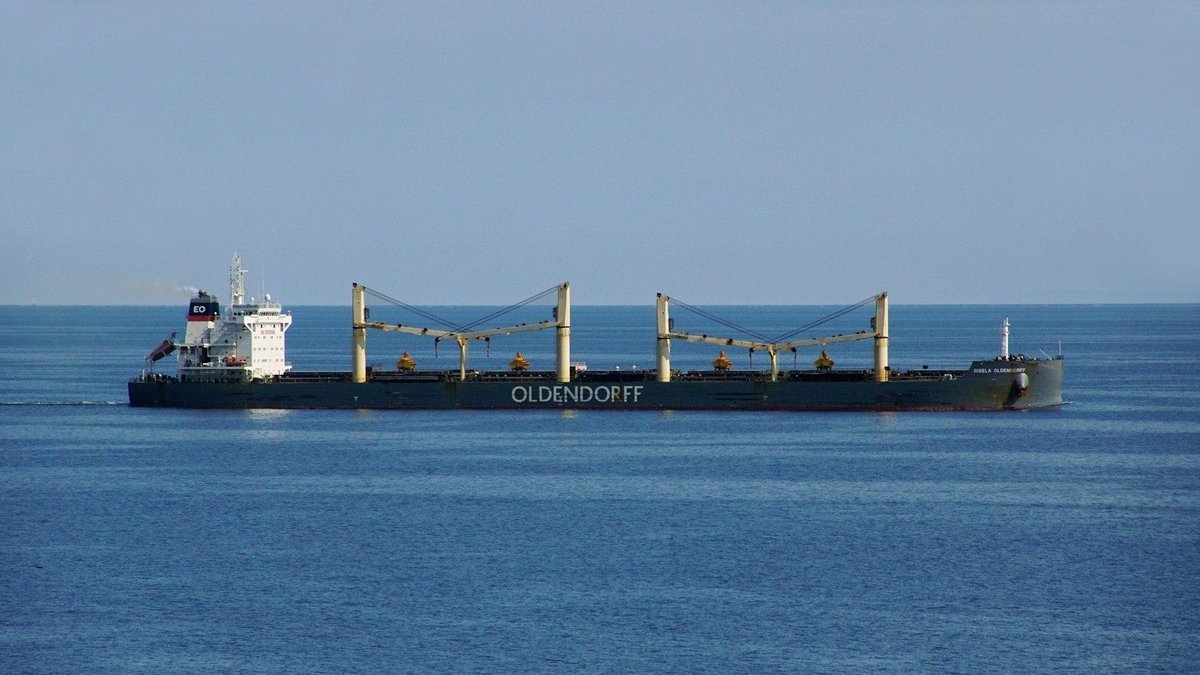
The European Parliament has voted to block two Indian shipbreaking yards from the EU’s approved recycling list, cutting off a potential capacity relief for shipowners facing a looming demolition surge. The decision to reject Shree Ram Vessel Scrap and YSI Recyclers in Alang ignores the European Commission’s own technical inspections and leaves EU-flagged tonnage with limited options for large-scale dismantling.
MEPs backed the objection by 377 votes to 214, with 24 abstentions. The vote came despite a joint push from eight international shipping associations, including BIMCO, the International Chamber of Shipping, and INTERTANKO, who urged lawmakers to approve the facilities. Both yards had received preliminary approval from the Commission following independent inspections.
Environmental campaigners, including the NGO Shipbreaking Platform, welcomed the result. They argue that the beaching method used in Gujarat cannot provide adequate protection against pollution and hazardous waste, regardless of individual yard upgrades.
Why it matters
This vote creates a bottleneck for owners of large merchant vessels. The shipping industry maintains that existing European recycling capacity cannot handle the volume of tonnage expected to head for demolition over the coming decade. By blocking the first Indian facilities that met Commission standards, the Parliament has restricted the available slots for EU-flagged ships, likely increasing costs and wait times for owners looking to retire older assets.
The decision also damages the regulatory predictability required for infrastructure investment. BIMCO’s warning that the move undermines the EU’s own legislation is a direct hit to the credibility of the approved list. If yard operators in Alang see that passing independent EU inspections does not guarantee access to the market, the commercial incentive to invest in higher safety and environmental standards across South Asia will weaken.
For shipowners, the rejection maintains a fractured recycling market. While the EU list aims to raise global standards, this political override suggests that geography and methodology remain bigger hurdles than technical compliance. Owners must now account for a continued shortage of approved large-scale capacity when planning the end-of-life cycle for their fleets.
What to watch
The matter returns to the European Commission, with EU member states still to provide their final verdict on whether the two Alang facilities will be included on the list.