Tanker attacks and expanding war zones squeeze global shipping lanes

With 17 tankers struck in Hormuz and Maersk ordering megamaxes, maritime security and capacity limits are hitting a breaking point.
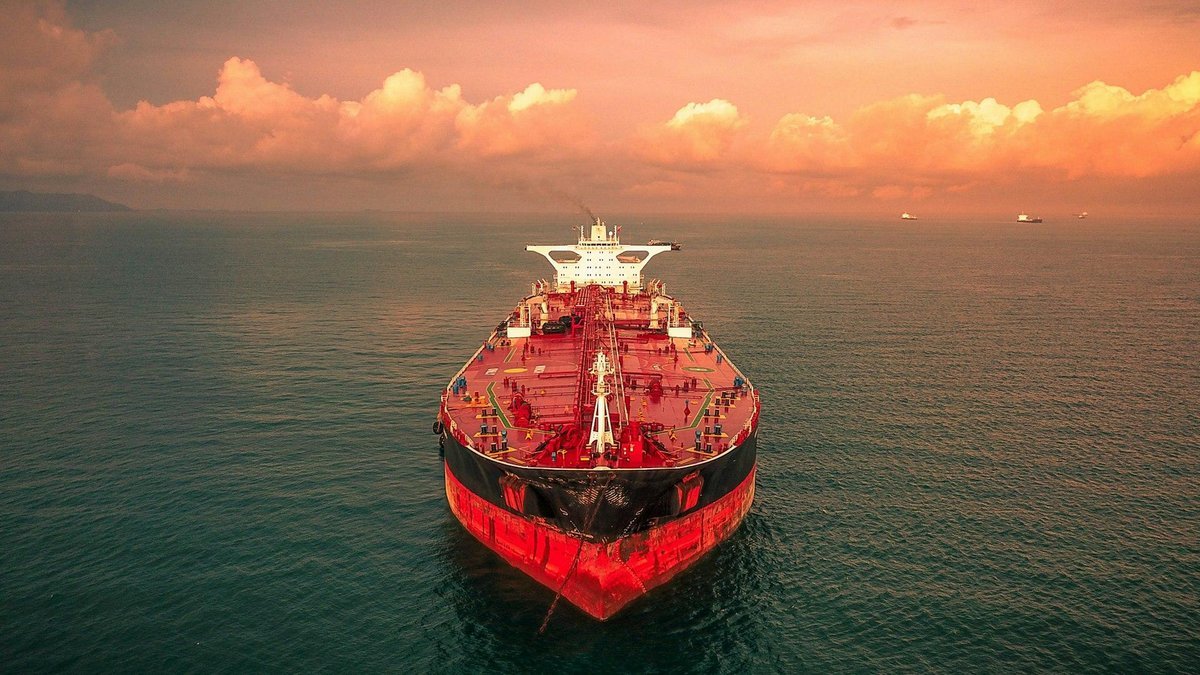
The maritime security situation is hitting a breaking point as 17 tankers were struck in the Strait of Hormuz this month and the Russia-Ukraine war expands its reach beyond the Black Sea. This surge in volatility arrives as shipyards face mounting pressure to deliver a massive backlog of new tonnage, leaving owners with little operational slack.
Splash reports that the number of tankers targeted in the Strait of Hormuz has climbed rapidly, while the maritime dimension of the conflict in Ukraine continues to spread. These geopolitical headaches are being compounded by a fresh trade front from Washington, which has introduced tariffs across 14 economies.
In the container segment, Maersk has ended its long-held resistance to the largest class of ships. The Danish carrier ordered 12 vessels of 24,000 TEU this week, officially entering the megamax league. On the technology front, Starlink is moving merchant shipping toward gigabit speeds with a new $4,650-a-month broadband package, while Maersk is testing AI-assisted onboard cameras.
Why it matters
The frequency of attacks in the Strait of Hormuz suggests a systemic threat to the energy supply chain. Seventeen incidents in a single month indicate that the risks in these waters are persistent rather than isolated, which likely drives up war-risk premiums and complicates scheduling for tanker operators and charterers.
Maersk’s pivot to 24,000 TEU vessels signals a fundamental shift in strategy. By investing in the largest containership class, the carrier is prioritizing slot-cost efficiency to compete on major trade lanes. This move will eventually add significant capacity to the global fleet, but its impact depends on whether shipbuilders can actually meet their obligations.
The shipbuilding sector is currently the ultimate bottleneck. With yards facing challenges in delivering the extraordinary volume of tonnage contracted in recent years, owners across all segments face the risk of delivery slippage. If yards have bitten off more than they can chew, fleet renewal plans and carbon-reduction targets could be delayed by years.
The adoption of AI-assisted cameras and high-speed Starlink packages creates a new tension for seafarers. While gigabit internet improves life at sea, the use of AI for surveillance under the guise of safety creates a friction point that ship managers must address to maintain crew retention during a period of transformation.
What to watch
The ability of global shipyards to meet delivery deadlines for the current record volume of contracted tonnage will determine how quickly new capacity reaches the market. Any further escalation in the Strait of Hormuz will likely force a broader reassessment of transit risks for the tanker fleet.