Iran targets tugboats as Hormuz tanker strikes hit 17 this month

Iran blacklists 26 tugboats and targets smaller tankers in the Strait of Hormuz, threatening salvage operations and increasing crew risks.
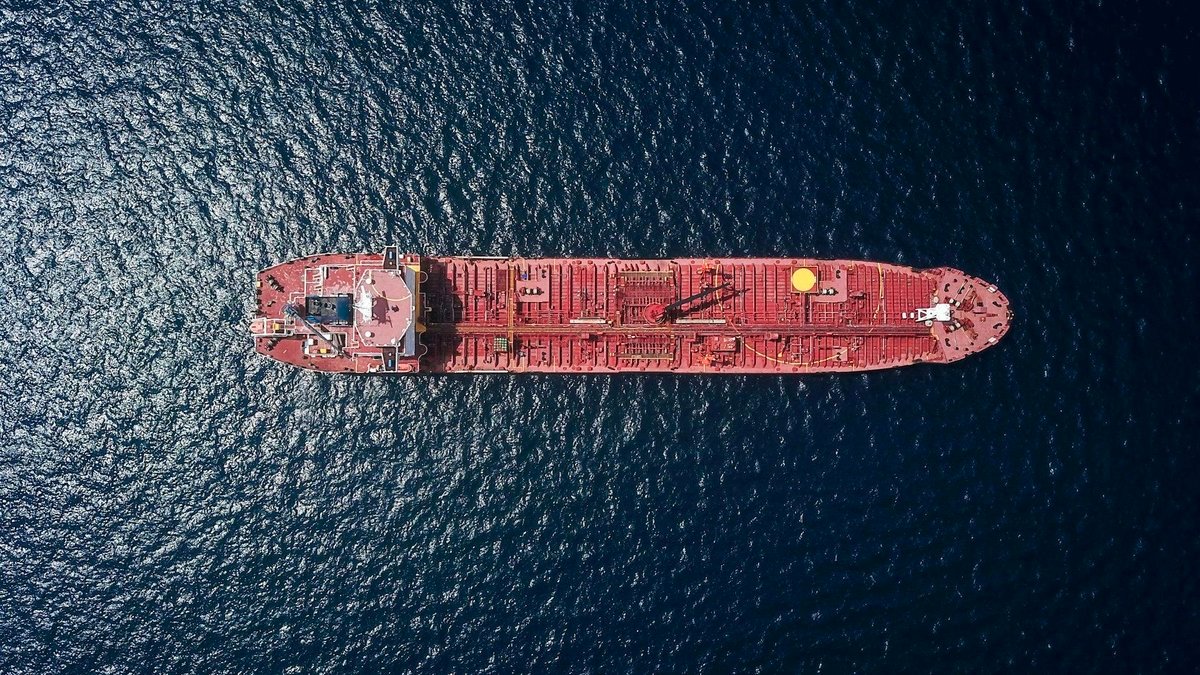
Iran is widening its campaign against merchant shipping in the Strait of Hormuz to include the very vessels needed to rescue them, as the number of tankers struck this month reaches 17.
The Joint Maritime Information Center (JMIC) confirmed the tally following a series of attacks, including a strike on an unidentified tanker on Wednesday. While the crew of that vessel is safe, ADNOC Logistics & Services confirmed yesterday that a Jordanian seafarer previously missing after a November 17 attack has been found dead. Two of his colleagues remain in hospital.
The Islamic Revolutionary Guard Corps (IRGC) claimed on Thursday that two additional tankers, including a VLCC carrying 2m barrels of crude, caught fire after hitting mines. These reports remain unverified. However, the Persian Gulf Strait Authority has officially added 26 tugboats to its list of vessels deemed to have breached Iranian shipping restrictions.
Vortexa data shows that while overall tanker traffic in the strait increased this month compared to October, the composition of the fleet is changing. Charterers are moving away from VLCCs and suezmaxes in favor of smaller tankers to transit the waterway.
Why it matters
Blacklisting 26 tugboats is a direct hit to the safety and salvage infrastructure of the region. By restricting these vessels, Tehran is effectively blocking emergency assistance to any ship damaged in the strait. This move disrupts anchorage operations off Oman and the United Arab Emirates, leaving owners and insurers with fewer options to mitigate a crisis after a strike occurs.
The shift toward smaller tankers suggests a tactical change in how cargo is moved through the risk zone. While using smaller vessels may spread the financial risk of a single hit, it increases the total number of targets available. This trend, combined with the confirmed death of an ADNOC seafarer, raises the stakes for crewing managers who must now account for a lethal environment rather than just operational delays.
The IRGC claim regarding mines introduces a new level of volatility. If mines are present in the strait, the risk is no longer limited to specific vessels deemed to be in breach of local rules but becomes an indiscriminate hazard for every ship in the lane.
What to watch
Independent verification of the IRGC mine claims will determine if the threat has evolved from targeted attacks to a general navigation hazard. Any confirmed mine strike will likely force a total reassessment of transit safety and insurance viability in the strait.