Maersk and ONE eye North-South alliance to counter MSC dominance

A potential Maersk-ONE alliance on North-South trades could squeeze smaller carriers and reduce options for shippers as capacity surges.
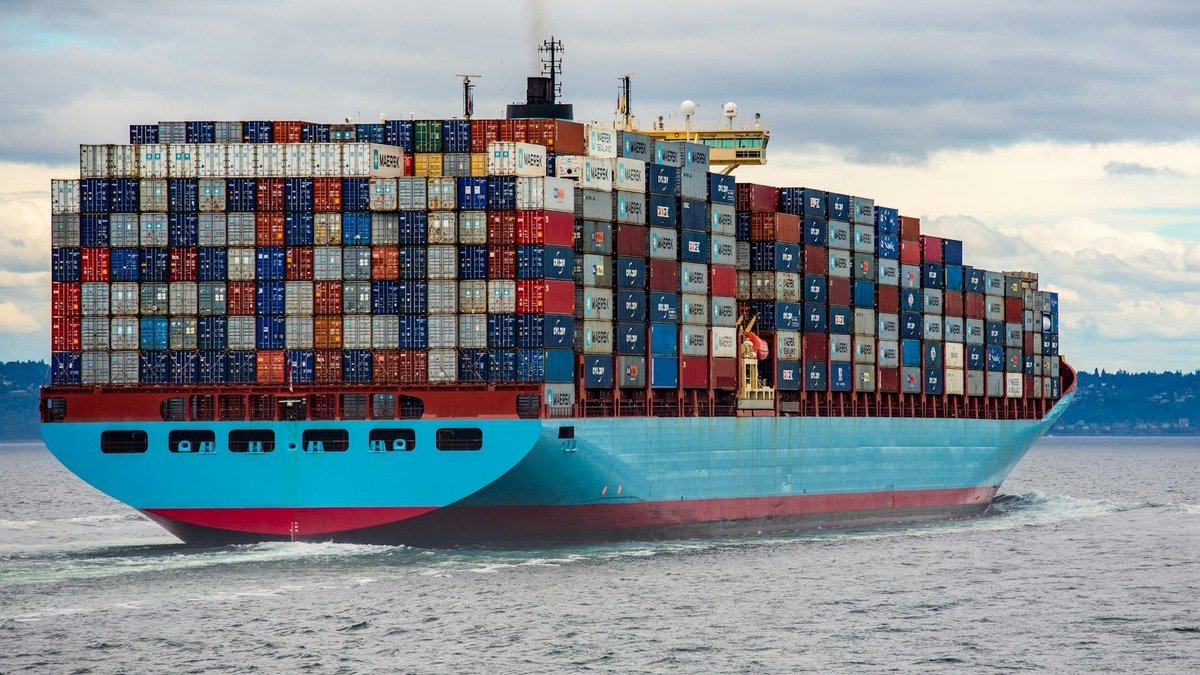
Maersk and Ocean Network Express (ONE) are weighing a formal alliance on North-South container trades to counter the massive network scale of MSC. Such a partnership would signal the end of the era where these routes were managed through loose vessel-sharing agreements, potentially squeezing smaller operators out of the market and reducing leverage for shippers on secondary routes.
The potential arrangement, reported by Drewry, follows Maersk’s recent shift toward the Gemini Cooperation with Hapag-Lloyd. While neither Maersk nor ONE has confirmed that talks are under way, Drewry argues the case for a structured partnership is becoming increasingly compelling as carriers face a flood of new vessel deliveries and the cascading of larger ships from East-West routes.
Cooperation on North-South lanes has historically relied on individual vessel-sharing agreements, slot exchanges, and regional consortia. However, the economics of scale that define the major East-West trades are now migrating to these secondary markets. Carriers need to pool capacity and rationalise overlapping services to maintain vessel utilisation and spread operating costs across broader networks.
Why it matters
This move is a defensive necessity against MSC. The market leader already operates an extensive independent North-South network, leaving rivals like Maersk and ONE with little choice but to combine resources to offer a competitive alternative. For shipowners and charterers, this points toward a more consolidated market where a few large alliances dictate the terms of service.
Smaller operators face the most immediate risk. If a broad alliance between Maersk and ONE materialises and delivers meaningful cost advantages, it will accelerate the consolidation of North-South service networks. Smaller carriers may find themselves unable to match the efficiency of these larger blocks, leading to a more concentrated market with fewer independent players.
For cargo owners, the development is a double-edged sword. While a formal alliance could deliver a better-connected and more reliable shipping network, it also threatens to reduce competition. Shippers reliant on secondary ports and less competitive trades will likely find themselves with fewer alternatives and less negotiating leverage as the number of independent service providers shrinks.
Operational hurdles remain high. Unlike the streamlined East-West trades, North-South routes suffer from fragmented cargo volumes, diverse vessel sizes, and significant port infrastructure constraints. Any alliance will have to manage these imbalances and operational requirements more carefully than they do on established global corridors.
What to watch
The next trigger will be a formal confirmation of talks or a regulatory filing from Maersk or ONE regarding a new vessel-sharing structure. Any move by other carriers to form similar defensive partnerships in response to an MSC-Maersk-ONE rivalry will signal a permanent shift in North-South trade dynamics.