

Swedish Elite Forces Board Russian-Linked Cargo Ship Near Gotland
Swedish authorities inspected a cargo ship linked to Russian surveillance efforts near Gotland following reports of suspicious activity in the Baltic.
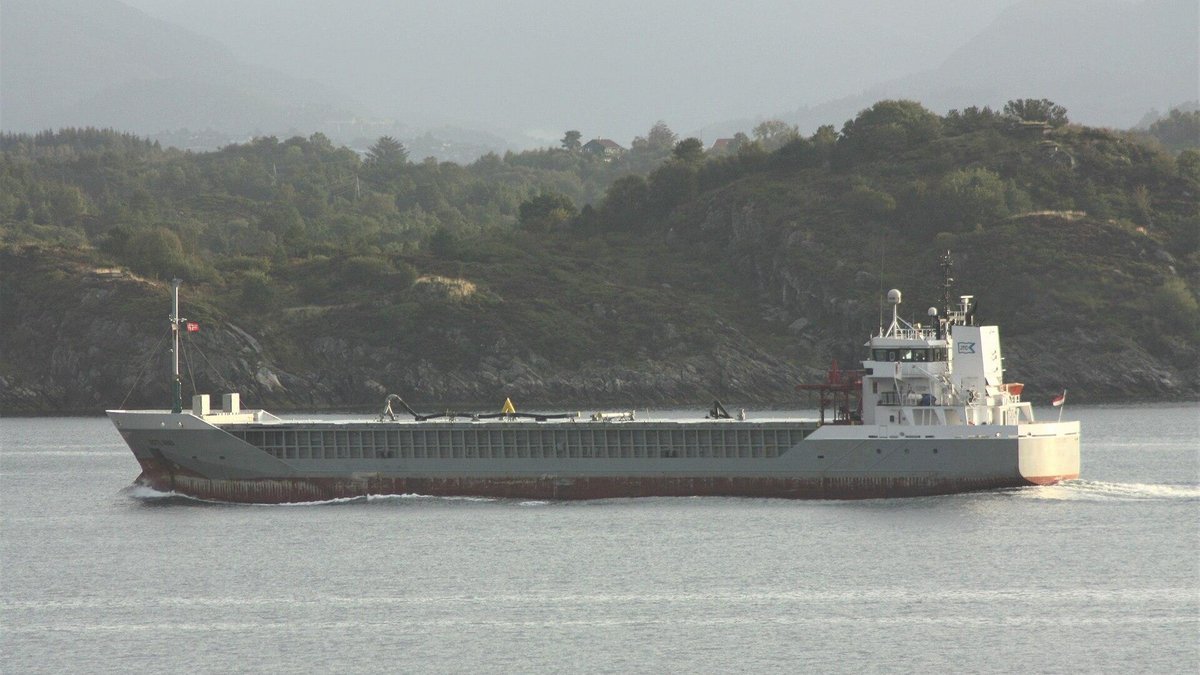
Swedish authorities have conducted a high-stakes inspection of a small dry cargo ship near the island of Gotland, signaling a tightening security posture in the Baltic Sea against vessels suspected of hybrid warfare activities.
While police officially characterized the October 31 boarding as a routine border check to verify crew identities and travel documents, reports from Swedish broadcaster TV4 indicate that an elite unit of Swedish forces was deployed for the search. The 80-meter foreign-registered vessel was allowed to continue its voyage after the inspection, but the incident underscores the increasing friction between commercial shipping and regional security interests.
Shift Toward Security Interdiction
The boarding follows reports that the vessel had been acting suspiciously near Gotland for several days. Media reports have linked the ship to a firm previously suspected of conducting Russian surveillance. This company’s vessels have been noted in proximity to unidentified drone sightings near military facilities across Northern Europe throughout 2025.
For maritime operators, this development marks a significant shift in how Baltic coastal states manage suspicious tonnage. Earlier this year, Swedish interventions focused largely on administrative and environmental pretexts, such as stopping vessels suspected of sailing under false flags or posing pollution risks. The involvement of elite tactical units in this latest case suggests that authorities are now prioritizing direct security interdiction over regulatory enforcement, using the legal cover of routine checks to conduct high-intensity searches.
Operational Risks in the Baltic
The incident reflects a broader pattern of heightened maritime surveillance in the region. In 2025, police in Belgium and Germany conducted similar searches of vessels suspected of serving as launch bases for drones near military installations and critical infrastructure, including Copenhagen airport. While many of these searches do not result in formal detentions or charges, they represent a growing operational risk for vessels whose trading patterns or ownership structures trigger security alerts.
The legal difficulty of prosecuting these cases remains a hurdle for coastal states. Swedish prosecutors previously struggled to bring charges against masters for presenting false papers, citing the difficulty of proving intent. However, the continued detention of a product tanker off Trelleborg and the seizure of the cargo ship Caffa—which was handed over to Ukrainian authorities—demonstrate that Sweden is willing to use a variety of legal and tactical levers to disrupt perceived threats in its territorial waters.
Source: The Maritime Executive