

Ocean Disruption Fails to Trigger Mass Shift to Airfreight
Shippers are absorbing ocean delays rather than paying 20x premiums for airfreight, as operational hurdles block modal shifts.
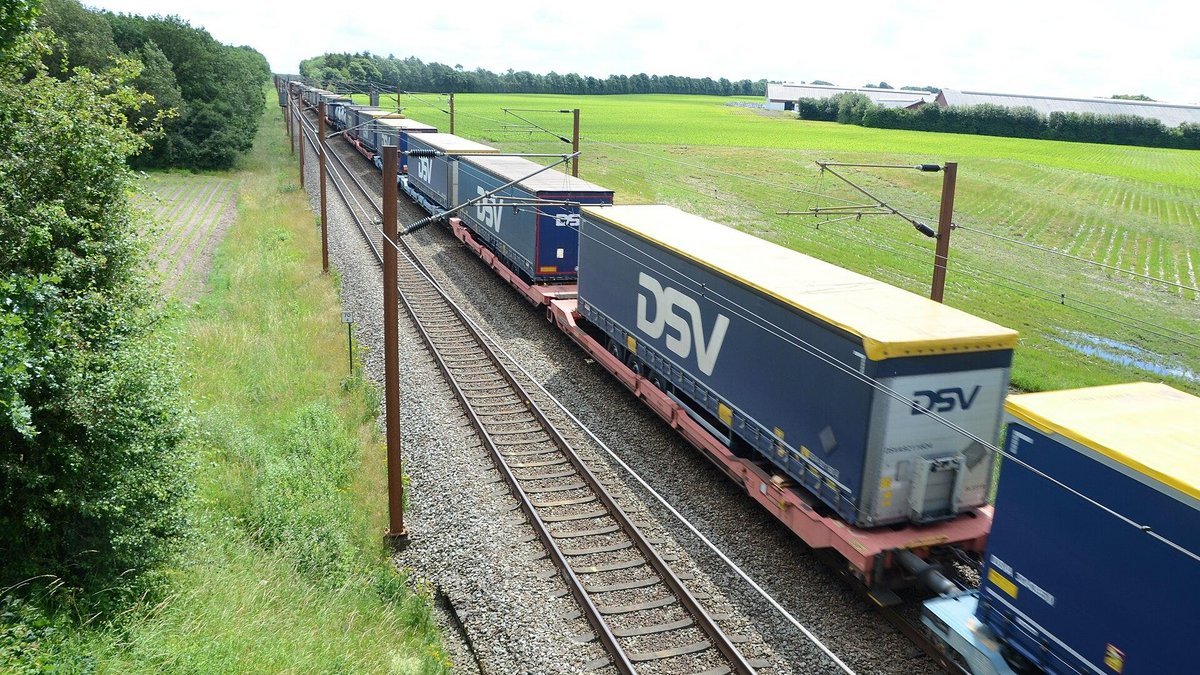
Ongoing disruptions to ocean shipping are failing to trigger a large-scale migration to airfreight, as shippers opt to absorb multi-week delays rather than pay the prohibitive premiums required for emergency lift. According to DSV, the cost of switching modes can reach 20 times the price of seafreight, creating a financial barrier that most supply chain managers are unwilling to cross.
Speaking at the TIACA Air Cargo Forum in Miami, Achim Martinka, head of global airfreight at DSV, noted that the industry has developed a high tolerance for maritime delays. Shippers now view two- to three-week lags as a standard operational reality, making the business case for airfreight conversion difficult to justify unless the delay threatens total production shutdowns.
The Ad-Hoc Capacity Trap
For shippers who do decide to move cargo to the air, timing is the critical failure point. Most airfreight capacity is locked into six- to 12-month contracts, leaving little room for spontaneous volume. Shippers who wait until ocean delays become critical find themselves competing for a sliver of ad-hoc capacity that is significantly more expensive than base-load rates.
This supply constraint is reflected in the order books of heavy-lift operators. Atlas Air reports a business pipeline for tens of aircraft that it currently cannot service. This lack of available hardware means that even if a shipper is willing to pay the premium, the physical capacity to move large-scale ocean volumes simply does not exist in the current market.
Operational Barriers Beyond Pricing
The difficulty of switching modes extends beyond freight rates into the fundamental mechanics of cargo handling. Moving goods from a container to a flight deck requires a complete re-engineering of the shipment, including new documentation, rigorous dangerous goods (DG) checks, and the physical rebuilding of pallets to meet aircraft dimensions.
A pilot program moving Honduran produce via a sea-air link through Miami illustrated these complexities. The project required precise synchronization between vessel arrival and freighter availability, strict USDA temperature-controlled transit windows, and the immediate availability of 60 tonnes of lift. The experiment proved that while such movements are technically possible, they are rarely commercially sustainable due to the lack of consistent, large-scale capacity on short notice.
Resilience Plans Remain Untested
While most global shippers developed emergency contingency plans following the pandemic, these strategies are not translating into regular volume shifts. DSV observes that while resilience plans exist, they are rarely activated as a permanent hedge against ocean volatility. Instead, airfreight is being used as a surgical tool for specific crises rather than a structural alternative to the sea.
The current market dynamic suggests that the airfreight industry will not see a windfall from maritime instability. Instead, the two modes are operating in increasingly separate silos, with the operational and financial friction of moving between them proving too high for the majority of global trade.
Source: The Loadstar