

Sierra Leone Launches SLOSCO Shipping Venture with China’s Xiehai Group
Sierra Leone partners with China’s Zhejiang Xiehai Group to form SLOSCO, a new national carrier targeting 40% of the country’s maritime trade.
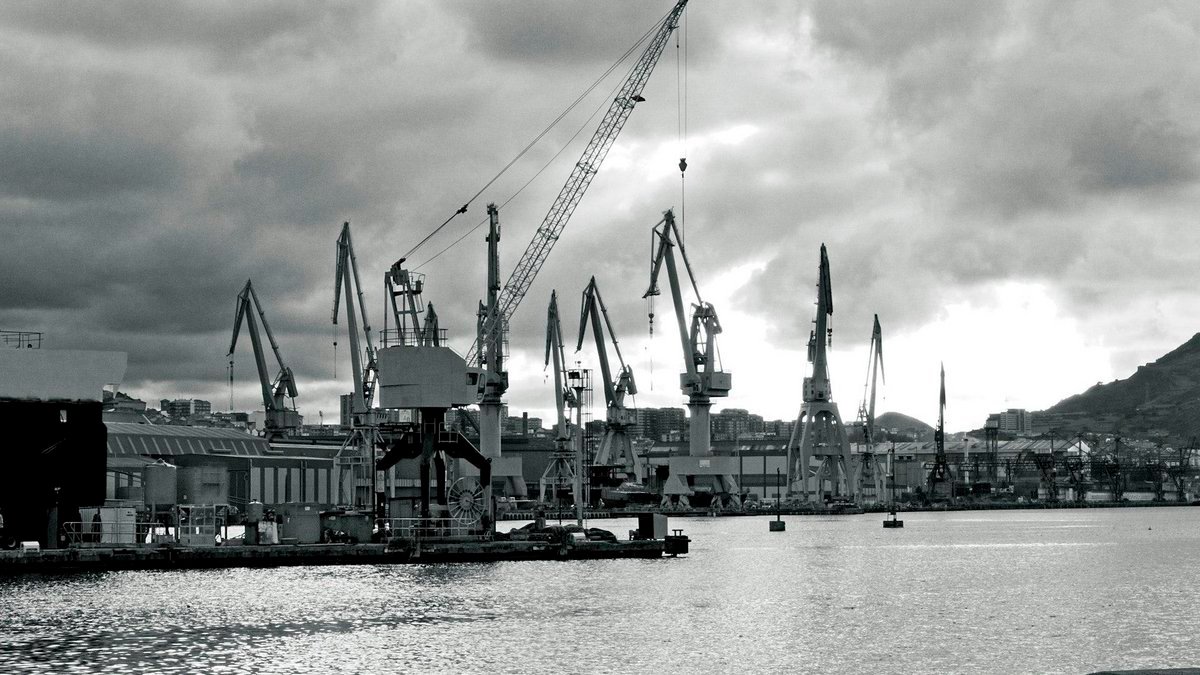
Sierra Leone has inaugurated the Sierra Leone Ocean Shipping Company (SLOSCO), a joint venture with China’s Zhejiang Xiehai Group, marking a strategic shift toward equity-based maritime development. The new national carrier aims to operate up to 50 vessels and capture a significant share of the country’s mineral exports and import trade.
The venture is structured with Zhejiang Xiehai Group holding a 70% stake, while the state-owned Sierra Leone National Shipping Agency (SLNSA) retains the remaining 30%. This model differs fundamentally from previous Chinese-backed infrastructure projects in the country, such as the stalled $659 million Freetown port expansion and the cancelled Mamamah International Airport, which relied on sovereign-guaranteed loans that were eventually deemed economically unviable.
Commercial Leverage and Cargo Rights
By partnering with an established operator like Xiehai, which currently manages a fleet of 42 vessels, SLOSCO may bypass the immediate need for massive capital expenditure on newbuilds. However, the company’s commercial viability likely hinges less on its fleet size and more on the Sierra Leone National Shipping Agency Act 2025. This legislation grants the national carrier discretionary rights to transport 40% of the value of the country’s imports and exports.
For the global shipping industry, the implementation of these statutory rights represents the most significant operational hurdle. While the law mandates a cargo share, much of Sierra Leone’s mineral trade is governed by international commodity buyers and exporters who typically control vessel nominations. SLOSCO’s ability to convert these legal rights into actual shipping contracts will depend on whether it can compete with established chartering desks or if the government will enforce preferential access at the expense of existing commercial arrangements.
Compliance and Operational Risks
The launch of a national carrier also coincides with heightened scrutiny of Sierra Leone’s maritime security environment. Recent reports have identified Freetown as an increasingly prominent hub for illicit narcotics transit from South America to Europe. The intersection of legitimate shipping routes and organized crime presents a substantial compliance risk for a new national entity seeking to establish international credibility.
While the equity-based structure protects Sierra Leone from accumulating new public debt, the country’s actual economic gain will be determined by its ability to generate freight revenue in a competitive market. With 70% of equity held by the Chinese partner, the state’s primary benefits may be limited to employment, taxes, and dividends, provided the business model can withstand the complexities of the international bulk and liner trades without relying solely on protectionist mandates.
Source: The Loadstar