Studies Validate Year-Round Shipping in Hudson Bay | Mariner News
Recent studies have conclusively confirmed the viability of extended and potentially year-round shipping operations in Canada’s Hudson Bay and Hudson Strait. This pivotal development offers significant hope for the ambition of continuous maritime access through the strategic Port of Churchill in the near future.
This news arrives as Canada actively pursues strategies to diversify its trade partnerships and double exports to non-US markets. The findings from these three comprehensive reports strongly support the feasibility of longer navigation periods, aligning with national economic objectives.
Government officials and industry leaders have welcomed the positive conclusions. Last week, the federal government, the Province of Manitoba, and the Arctic Gateway Group, which owns and operates the Port of Churchill, acknowledged the studies’ implications for the region.
The research includes two studies conducted jointly by researchers from the University of Manitoba and Fednav Limited, Canada’s largest dry bulk shipping company. The third report is a feasibility study commissioned by the Arctic Research Foundation (ARF).
Key Findings on Navigation Feasibility
A critical common finding across all three studies is that the combination of existing marine technology and extensive Arctic operating experience renders year-round navigation through the broader Churchill shipping corridor entirely possible. This is particularly true when utilizing modern ice-capable vessels designed for challenging polar conditions.
The studies collectively examined various facets of this potential operational transition, providing a robust evidence base for future planning and investment.
Fednav’s Expert Analysis
Fednav Limited, renowned for its deep expertise in Arctic navigation, undertook a detailed analysis focusing on ice conditions, vessel capabilities, and the practical requirements for shipping to the Port of Churchill. Their study was comprehensive, incorporating a 10-year review of Canadian ice charts, advanced satellite imaging data, and relevant regulatory requirements.
This in-depth analysis from Fednav specifically confirmed that existing ice-class vessel designs are capable of supporting year-round shipping in the corridor. Furthermore, their research indicates that over time, the need for icebreaker support in the region could progressively decrease as vessel technology advances and operational experience grows.
University of Manitoba’s Research
The University of Manitoba’s research contributed to understanding the dynamic environment of the Hudson Bay. Their study specifically examined how sea ice conditions in the region have evolved over time, providing crucial context for the feasibility of extended navigation seasons. The findings indicated that the shipping season serving the Port of Churchill is… (The provided source material ends here).
Future of the Port of Churchill
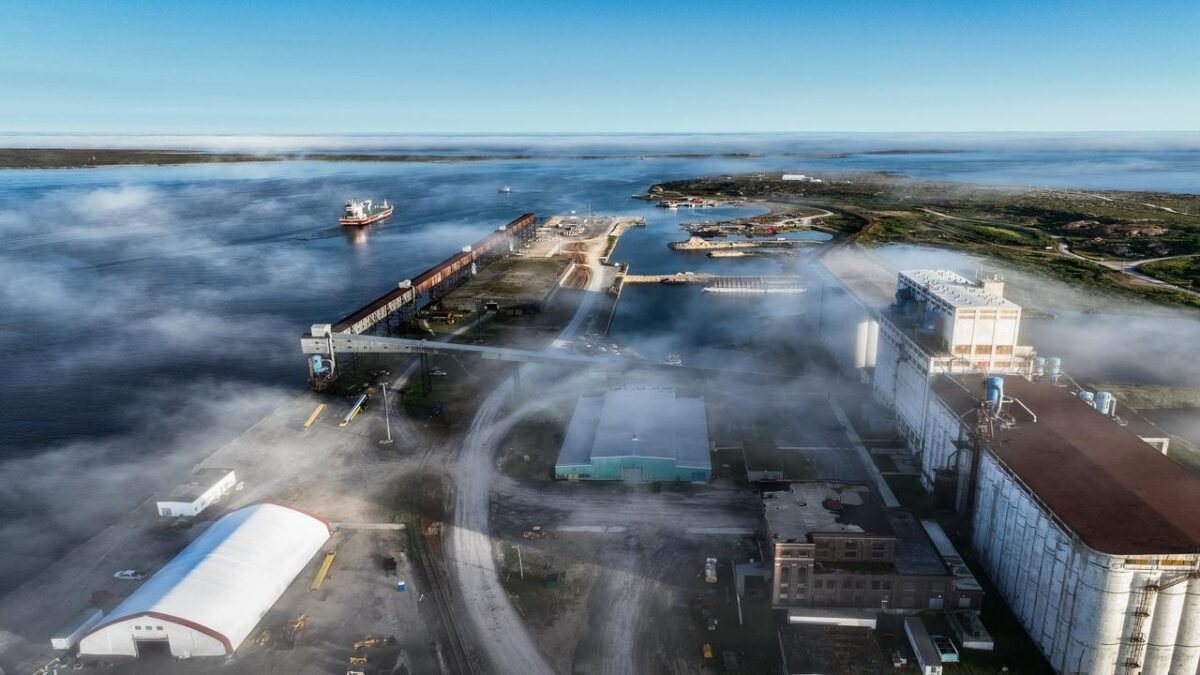
The confirmation of year-round shipping viability is a significant boost for the Port of Churchill, a key northern Canadian port. Enhanced navigability could transform its role in Canada’s supply chain, offering new pathways for exports and imports, especially for bulk commodities.
This development is expected to have far-reaching commercial implications, opening new trade routes and fostering economic growth in the Canadian Arctic and surrounding regions. The ability to maintain consistent maritime transport throughout the year reduces seasonal limitations, offering greater reliability and efficiency for shippers and logistics providers.