

Fatigue and Familiarity Cited in Boiler Explosion
A failure to adapt standard maintenance procedures to changing operational conditions led to a boiler explosion aboard the bulk carrier Olivia, according to a report from New Zealand’s Transport Accident Investigation Commission (TAIC). The incident, which occurred in May last year at South Port, Bluff, resulted in serious burns to two crewmembers and injuries to […]
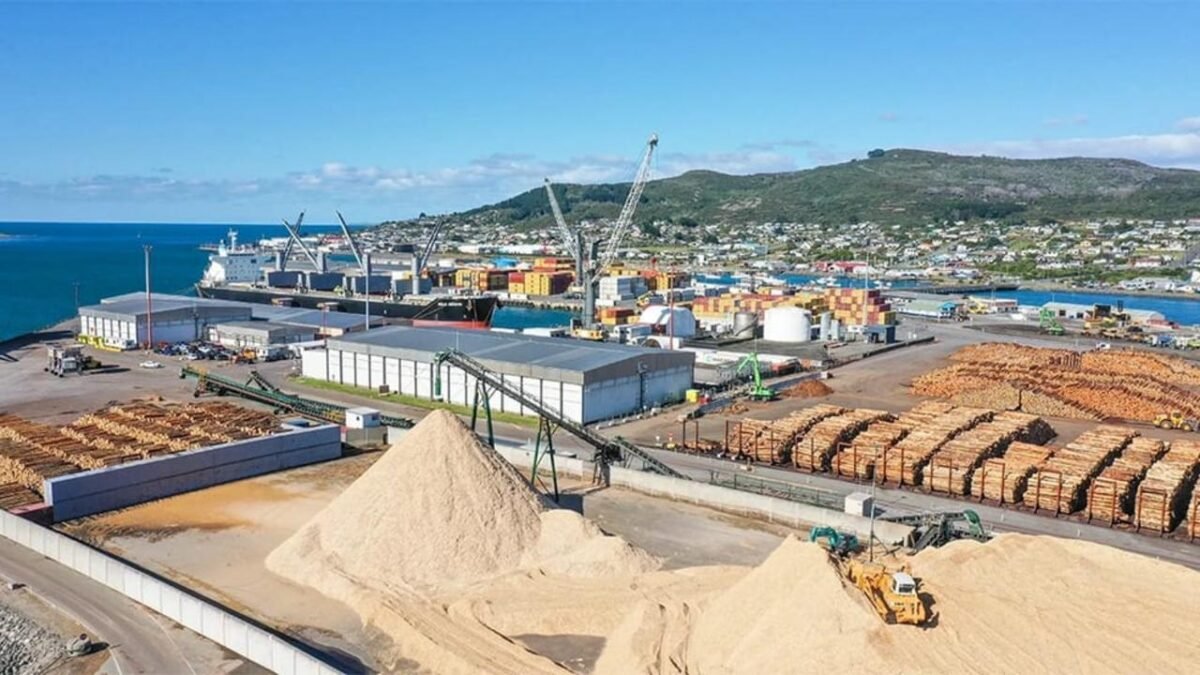
A failure to adapt standard maintenance procedures to changing operational conditions led to a boiler explosion aboard the bulk carrier Olivia, according to a report from New Zealand’s Transport Accident Investigation Commission (TAIC). The incident, which occurred in May last year at South Port, Bluff, resulted in serious burns to two crewmembers and injuries to a third.
Investigators determined that the incident was driven by a combination of crew fatigue, poor communication, and a misplaced reliance on familiar maintenance routines. The crew was tasked with cleaning the boiler using an air lance to clear soot after repeated attempts to restart the burner failed. While the procedure was considered routine for the vessel’s crew, the operating environment had fundamentally shifted due to the ship’s 32-day detention in port.
At sea, the vessel typically relies on waste heat from the main engine to generate steam, allowing the oil-fired furnace to cool completely for cleaning. During the extended port stay, the furnace was under constant load to supply steam while the main engine remained idle. The crew failed to perform an objective verification of the furnace temperature before beginning the cleaning process, assuming the equipment was cold based on their experience with sea-going maintenance intervals.
The explosion highlights a critical blind spot in safety management systems that rely on checklist-driven procedures rather than dynamic risk assessments. When vessels remain in port for extended repairs, the bridge and engine room teams operate under different thermal and operational profiles than those encountered during standard voyages. Relying on muscle memory for maintenance tasks under these conditions—often exacerbated by the fatigue of an intensive repair schedule—transforms common procedures into significant safety hazards. This incident underscores that the transition from sea-going status to prolonged port maintenance requires a formal recalibration of standard operating procedures to account for altered machinery thermal loads.