

SS United States Settles Upright as World’s Largest Artificial Reef
The record-breaking SS United States is now an artificial reef in the Gulf, opening new paths for marine research and tourism.
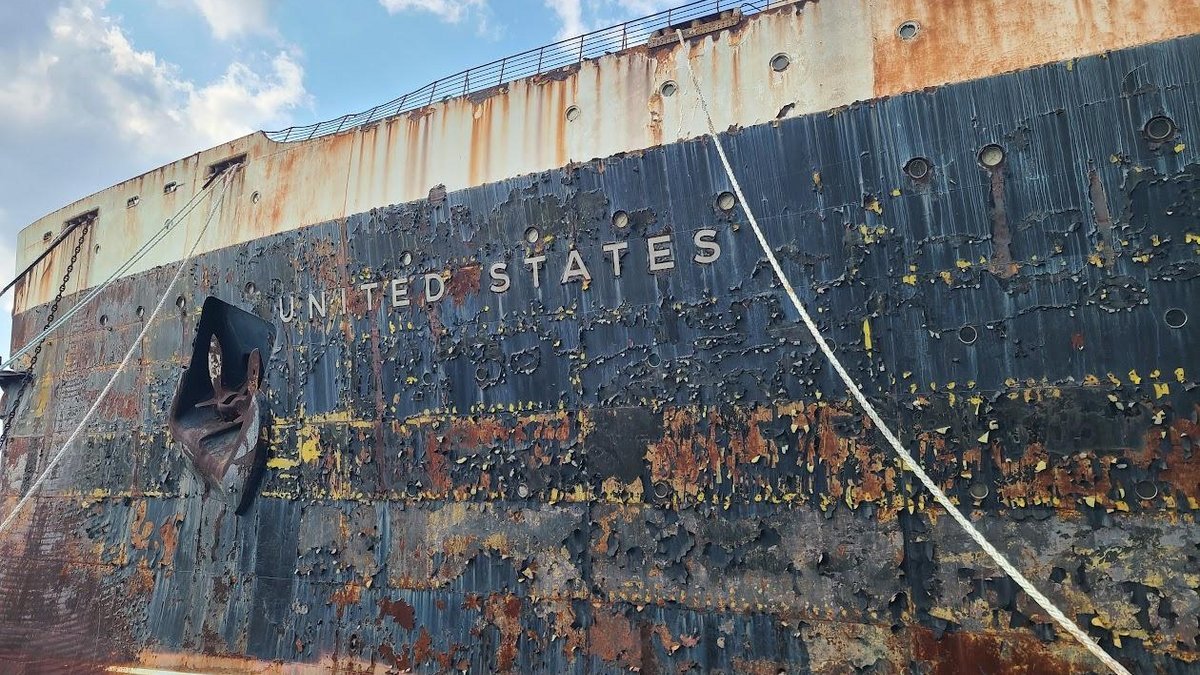
The SS United States has settled upright on the Gulf of Mexico seafloor, completing its transition from a record-breaking ocean liner to the world’s largest artificial reef. The successful controlled sinking off Florida’s Gulf Coast on November 11 creates a massive underwater asset for marine research and regional tourism.
Remotely operated vehicle inspections and divers from the RV Explorer confirmed the 990-foot vessel came to rest just feet from its intended location. The ship now sits 22 nautical miles offshore in 180 feet of water, with its uppermost deck 60 feet below the surface. Okaloosa County officials moved the operation forward from November 12 to Veterans Day to avoid weather risks.
Crews opened intake valves to flood the vessel, which rolled to port and submerged before reaching the seabed. The deployment followed extensive environmental remediation and structural modifications to ensure the wreck was safe for divers and marine life. The safety zone around the site has been lifted, allowing immediate access for diving exploration.
Why it matters
The precision of the sinking proves that massive legacy vessels can be converted into stable, accessible underwater infrastructure. For shipowners and conservancy groups, this provides a clear alternative to the scrap yard for vessels that are no longer commercially viable. The SS United States spent decades as a financial and logistical challenge at its Philadelphia berth; it now serves as a permanent economic driver for the Destin-Fort Walton Beach area.
The project also establishes a major site for marine science. Researchers from the Woods Hole Oceanographic Institution, Dauphin Island Sea Lab, and Louisiana State University will monitor how marine organisms colonize the structure. This turns a retired hull into a long-term data source for biological and chemical changes in the Gulf, offering insights into artificial reef development that smaller sites cannot provide.
What to watch
The SS United States Conservancy is developing a shoreside museum and visitor experience to preserve the ship’s artifacts and history for the public.
Source: gCaptain