

Deck machinery shifts from brute force to integrated power architecture
Modern lifting equipment is evolving into data-driven systems, shifting the industry from preventive to predictive maintenance to maximize uptime.
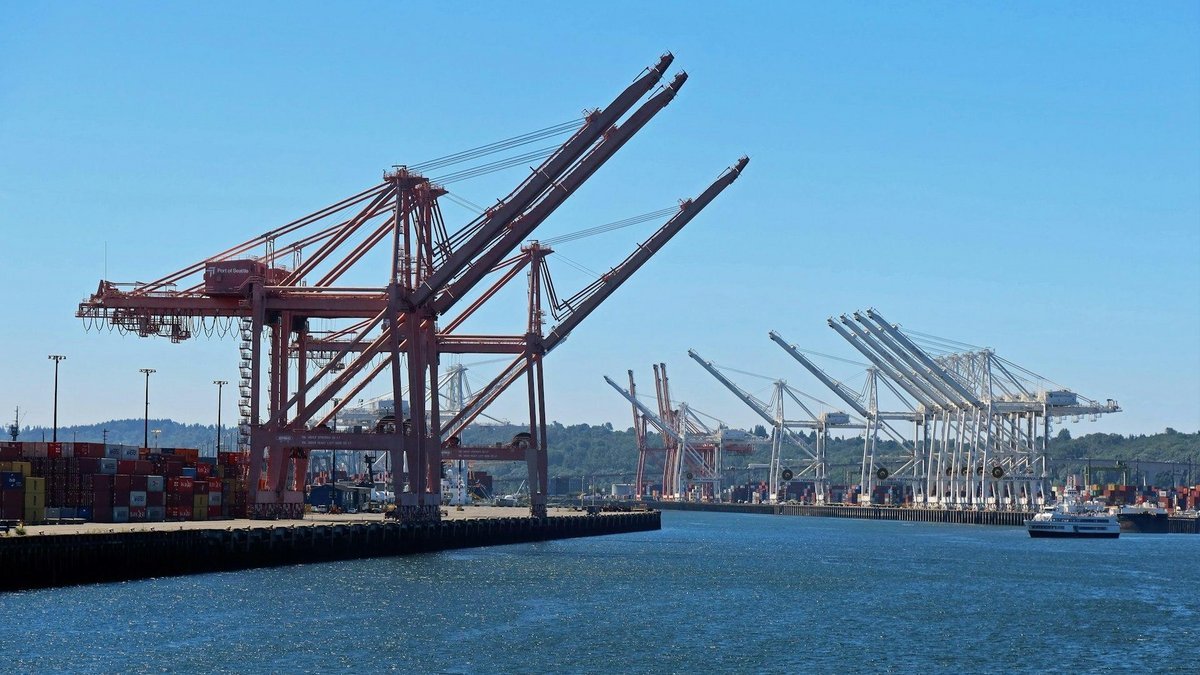
Modern deck machinery and cranes are evolving from standalone mechanical tools into integrated components of a vessel’s power architecture, shifting the industry’s focus from brute strength to data-driven predictive maintenance.
Equipment manufacturers Comansa and Markey Machine are leading this transition by embedding sensors, programmable controls, and electric drives into hardware that once relied primarily on hydraulic or mechanical power. Comansa’s Crane Mate platform now records operational history to identify trends, while Markey’s direct-DC winches integrate directly into the switchboards of battery-powered tugs to recover energy through regenerative braking.
Jon Ander Mora, Key Accounts Manager at Comansa, says the industry is moving decisively from preventive toward predictive maintenance. Markey Vice President Scott Kreis notes that reliability remains the central requirement, as the cost of a tug being sidelined by equipment failure adds up quickly.
Automation is also changing the safety profile of heavy lifting. Comansa is deploying AI-enabled cameras that distinguish between obstacles and people to trigger specific stopping protocols. However, Mora cautions that the near-term focus is on intelligent operator assistance and semi-automated functions rather than full autonomy.
Why it matters
For vessel owners and terminal operators, the primary gain is the transition from preventive to predictive maintenance. By using data to identify potential failures before they occur, operators can reduce unplanned downtime. This shifts the commercial focus from simple pull capacity to the total uptime of high-utilization assets.
The shift also changes how vessels are designed and powered. Electrification is no longer about simple motor replacement; it is about energy recovery. Markey’s ability to return power to a tug’s DC switchboard during operations eliminates the need for inefficient DC-to-AC conversions. This integration means future deck machinery specifications will be dictated as much by a vessel’s electrical bus as by its required pull capacity.
Furthermore, the move toward modular crane designs allows shipyards to adapt to the increasing size and complexity of modern vessels. As ships grow, the ability to execute high-cycle lifting with flexible, modular hardware becomes a competitive advantage for repair and construction yards looking to maximize throughput.
What to watch
The next milestone is the broader rollout of battery systems teamed with regenerative braking in shoreside cranes to recover energy lost to friction in conventional systems.
Source: The Maritime Executive