

Klaipėda opens EUR 1 billion tender for Southern Port expansion
Klaipėda Port seeks investors for a 100-hectare expansion, requiring tenants to fund half of the EUR 600 million infrastructure cost.
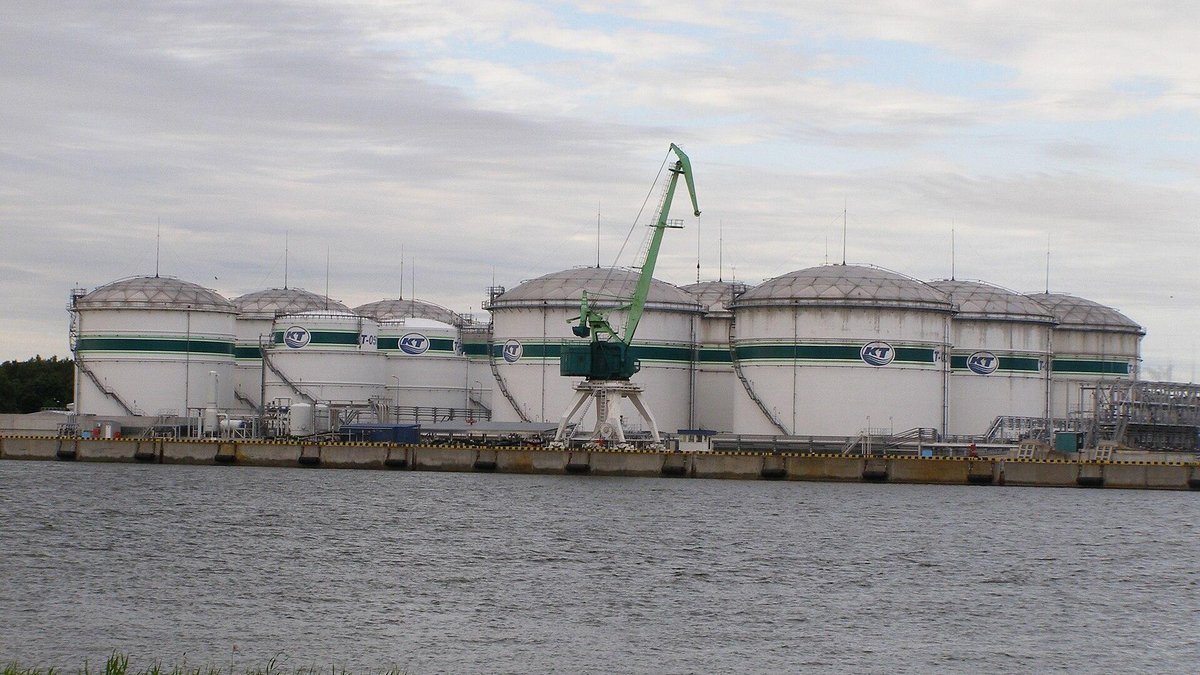
The Klaipėda State Seaport Authority has launched a tender for a 100-hectare expansion that requires future tenants to fund half of the project’s EUR 600 million infrastructure costs upfront. This move shifts the financial burden of land reclamation and quay construction directly onto the terminal operators and maritime companies seeking a 50-year foothold in Lithuania’s primary gateway.
The project, valued at more than EUR 1 billion when including private investment, will create 100 hectares of new land and 1.3 kilometers of quays in the southern part of the port. The Authority plans to deepen the shipping channel and create a 600-meter-wide turning basin. Indicative plans earmark 50 hectares for a container terminal with a 1.5 million TEU capacity, while the remaining 50 hectares will support broader maritime industry activities.
Prospective tenants must contribute at least EUR 300 million toward the Authority’s infrastructure works if they lease the entire territory. At least half of this contribution is due before the land is handed over, with the remainder payable within 15 years. Beyond these payments, tenants must invest in their own buildings, cranes, and equipment while committing to minimum annual cargo volumes that cannot decrease over the 50-year lease term.
The selection process will involve a multi-stage dialogue on technical and financial terms. Every participant must pass a national security assessment before signing a lease agreement. Construction preparation has already begun, with contractor Tilsta currently building the southern port gates under a EUR 24.5 million contract.
Why it matters
This tender introduces a high-stakes pay-to-play model for Baltic port operations. By requiring tenants to fund the landlord’s infrastructure, the Authority is offloading the capital risk of land reclamation. For terminal operators, this means a massive upfront cash outlay before a single container moves. The 50-year lease and fixed minimum volume requirements effectively lock winners into the Lithuanian market for half a century, making this a move for only the most well-capitalized global players.
The addition of 1.5 million TEU in capacity suggests Klaipėda is positioning itself to challenge regional hubs for transshipment and gateway traffic. However, the requirement for a national security assessment adds a layer of geopolitical vetting. This likely limits the pool of potential investors to those from approved Western or allied jurisdictions, potentially excluding certain international port groups that have historically expanded into the Baltics.
For shipowners and charterers, the expansion promises to resolve the current physical constraints that Director General Algis Latakas says are restricting growth. A 600-meter turning basin and deeper channels will accommodate larger vessels, but the ultimate cost of these facilities will likely be reflected in the terminal handling charges set by the operators who have to recoup their EUR 300 million infrastructure contribution.
What to watch
The next trigger is the qualification phase on the Užsakovas electronic platform, where the Authority will vet the technical and financial strength of bidders. The outcome of the national security assessments will determine which international cargo handlers are permitted to enter the final dialogue phase for the 50-year concessions.
Source: Container News