Somali Pirates: 4 Vessels, 67 Crew Still Held Hostage | Mariner News
For over three months, Somali pirates have maintained their unyielding grip on four smaller vessels, holding a total of 67 brave crewmembers held captive with no substantial reports of progress in their release. This protracted maritime hostage crisis underscores the persistent threat of piracy in critical shipping lanes, demanding urgent attention from global maritime security forces and international stakeholders. Despite ongoing monitoring and expressions of commitment, the immediate future for these seafarers remains perilously uncertain, highlighting the complex challenges inherent in combating such illicit activities off the Somali coast.
The Protracted Maritime Hostage Crisis Unfolds
The ongoing vessel hostage situation has cast a long shadow over seafarer safety and global shipping. At the heart of this crisis are four diverse vessels, each carrying a crew whose lives have been tragically interrupted. Among these, the Palau-flagged motor tanker Honour 25 holds the unfortunate distinction of being held the longest. Hijacked off the northern coast of Somalia on April 21 while en route to Mogadishu, this oil tanker was carrying valuable oil products, making it a lucrative target for pirate groups operating in the region. Its crew of 17, predominantly from Pakistan, faces an ordeal that has now stretched beyond three months, raising serious concerns about their welfare and prospects for a swift release.
Further compounding the complexity, the other three vessels were seized in subsequent weeks, each contributing to the staggering total of 67 individuals now trapped in this perilous situation. The sustained captivity of these vessels and their crews highlights a troubling resurgence in the capabilities and audacity of Somali pirates. These acts of coastal piracy are not isolated incidents but rather part of a broader, more organized pattern that has tested the resolve of anti-piracy operations and international naval forces stationed in the Gulf of Aden and surrounding waters.
A Resurgence in Somali Piracy: Causes and Tactics
This year has witnessed a significant surge in maritime piracy incidents, prompting analysts to examine the underlying factors contributing to this alarming trend. A confluence of geopolitical and economic pressures appears to be emboldening pirate groups once thought to be largely contained. The spike in global fuel prices, for instance, may have inadvertently made hijacking vessels, particularly those carrying valuable cargo like oil products, an even more attractive proposition for criminal enterprises. Furthermore, the unsettled regional conditions following the war in the Persian Gulf have created an environment of instability that Somali pirates are adept at exploiting.
Pirates are increasingly venturing further offshore, moving into key shipping lanes in the Gulf of Aden and closer to the coast of Yemen, demonstrating a tactical evolution. This expanded operational range allows them to stalk a wider array of targets, often catching commercial vessels off guard. The shift in tactics and increased aggression suggest that the pirates perceive a window of opportunity, possibly due to a perceived reduction in vigilance or redeployment of international naval assets. This makes the task of shipping security even more challenging, requiring constant adaptation and robust countermeasures from naval forces and commercial operators alike to protect their cargo security and personnel.
International Efforts Face Complex Local Realities
In response to the persistent threat, international bodies and individual nations continue to engage in efforts to resolve the hostage crisis and deter future acts of vessel seizure. The EU’s Operation Atalanta, a crucial anti-piracy mission, has been actively monitoring the situation, including one of the four vessels currently held near the Somali coast. Atalanta has publicly reaffirmed its unwavering commitment to supporting the successful liberation of the crewmembers as swiftly as possible. However, the operational reality dictates that with the vessels being held perilously close to the shoreline, a direct intervention becomes exceedingly complex and high-risk, making the mission heavily dependent on the cooperation and capabilities of local authorities.
Beyond military oversight, diplomatic channels are also being pursued vigorously. The Egyptian government has been a proactive participant, striving to broker a resolution to these dire situations. Concurrently, reports indicate that Pakistan, a nation with several of its citizens among the crewmembers held, is also actively negotiating with the pirates. Yet, these international efforts are frequently hampered by a complex web of local challenges. Rivalries among various pirate groups within Somalia, particularly in the Puntland region, create significant obstacles. In one reported instance, these internal factional disputes are said to have escalated into a gun battle at the vessels themselves, underscoring the chaotic and dangerous environment confronting both hostages and negotiators. This internal fragmentation not only prolongs the suffering of the captives but also complicates any unified approach to their release.
Dire Conditions Endure for Held Seafarers
The human cost of this prolonged hostage crisis is immeasurable. Scant reports filtering out from the captive crewmembers held paint a grim picture of their daily existence. Conditions aboard the seized vessels are described as poor, with a critical lack of clean drinking water and insufficient food supplies. Such deprivations not only endanger the physical health of the seafarers but also inflict immense psychological trauma, a common feature in extended periods of captivity under duress. The constant uncertainty, the threat of violence, and the absence of basic necessities create a dire humanitarian crisis for those aboard.
Families of the seafarers are left in agonizing suspense, desperately awaiting news and praying for the safe return of their loved ones. The mental and emotional toll on these families, often thousands of miles away, is profound. This aspect of maritime piracy often goes unnoticed amidst the broader discussions of shipping routes and maritime security, yet it remains a central and devastating consequence. Addressing these humanitarian concerns, ensuring the provision of aid, and ultimately securing the release of these individuals must remain at the forefront of all diplomatic and operational endeavors, emphasizing the moral imperative to protect the lives and welfare of those who navigate the world’s oceans.
Safeguarding Shipping and Seafarers: A Global Imperative
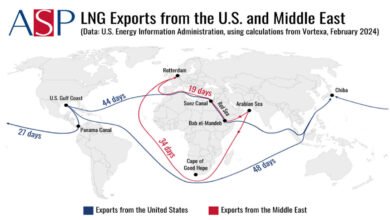
The continued activities of Somali pirates have far-reaching global repercussions, extending beyond the immediate humanitarian crisis. They represent a direct threat to global trade and supply chains, potentially driving up shipping costs due to increased insurance premiums and the need for more extensive security measures. This can impact economies worldwide, from the cost of consumer goods to the availability of essential commodities. The ability of pirates to operate with such impunity also undermines the rule of law in international waters, challenging the stability of maritime governance and freedom of navigation. Ensuring shipping security is not merely an industry concern but a fundamental aspect of global economic stability.
The international community must therefore sustain and evolve its anti-piracy operations. This includes a combination of robust naval patrols, advanced intelligence sharing, and effective deterrents. Furthermore, supporting coastal nations, particularly Somalia, in developing their own robust maritime security capabilities and stable governance structures is crucial for long-term solutions. Addressing the root causes of piracy, such as poverty, lack of economic opportunity, and absence of effective law enforcement on land, is equally vital. A holistic approach that integrates security, economic development, and legal frameworks is essential to prevent future resurgences of this menace and safeguard the lives of seafarers who are indispensable to global commerce.
Towards a Resolution: Sustained Commitment and Strategic Engagement
As the maritime hostage crisis enters its fourth month, the urgency to secure the release of the 67 crewmembers held captive intensifies. The situation serves as a stark reminder that while international efforts have significantly reduced piracy in the past, vigilance cannot wane. A comprehensive and multi-faceted strategy is required, one that combines diplomatic pressure, tactical operations, and humanitarian aid. The complexities posed by internal pirate factionalism and the proximity of the vessels to the coast demand nuanced and carefully orchestrated responses, prioritizing the safety of the hostages above all else.
Ultimately, the commitment from international organizations like EUNAVFOR Atalanta, alongside the determined negotiations by countries like Egypt and Pakistan, offers a glimmer of hope. However, these efforts must be sustained and intensified, moving beyond mere monitoring to decisive action when opportunities arise. The long-term stability of the region and the safety of the global maritime community depend on a concerted, strategic engagement that not only frees the current captives but also effectively dismantles the infrastructure supporting Somali pirates. Only through unwavering dedication and collaborative action can the threat of maritime piracy be truly overcome, ensuring safer seas for all.