Shipping giants back EU pledge to block international strait tolls

Major shipping bodies join the EU to reject unilateral transit fees and demand better protection for seafarers in international straits.
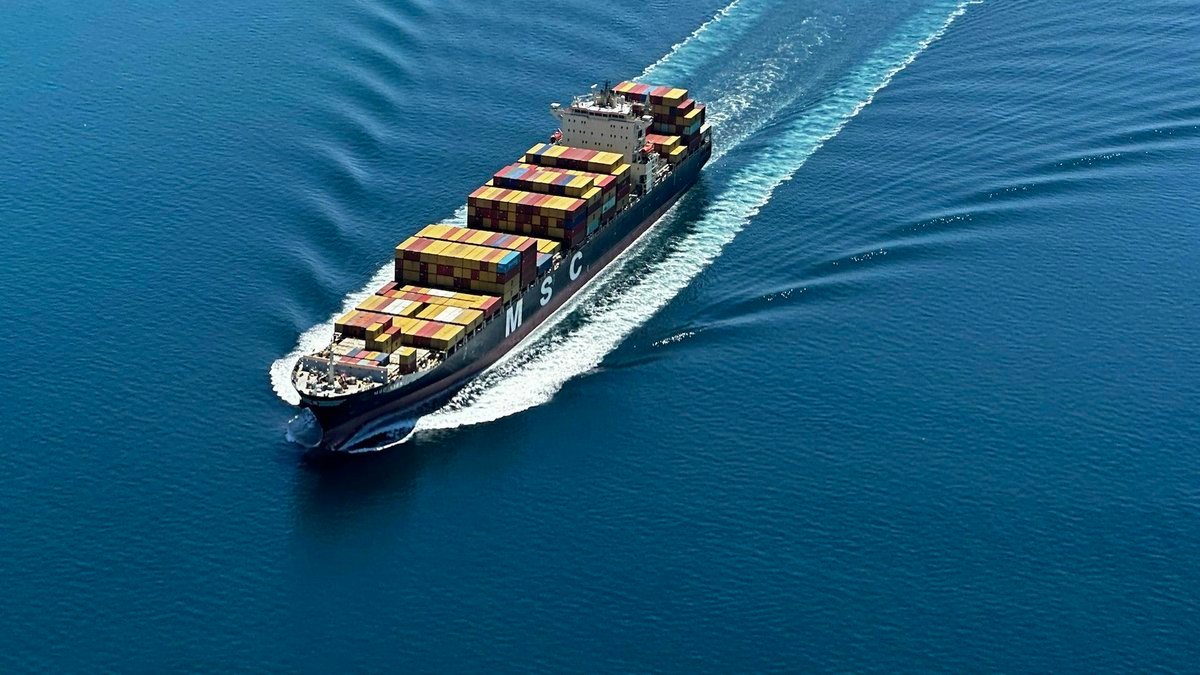
Global shipping bodies have backed an EU-led pledge to block new transit tolls and fees in international straits, warning that such charges threaten the 90% of world trade moving by sea. The industry groups joined the European Union and its partner countries in a united rejection of unilateral measures that interfere with the right of passage through critical maritime chokepoints.
The ‘Pledge on Maintaining the Integrity of the International Law of the Sea – No Fees/No Tolls’ was announced on 12 October 2026. Signatories supporting the move include ECSA, BIMCO, the Cruise Lines International Association (CLIA), the International Chamber of Shipping (ICS), INTERCARGO, INTERFERRY, INTERTANKO, and the World Shipping Council (WSC).
The industry groups specifically identified compulsory transit charges and service fees that act as de facto tolls as a deeply worrying precedent. They urged governments to preserve the legal framework of the United Nations Convention on the Law of the Sea (UNCLOS) and resist making navigation rights conditional on payment. The pledge also calls for non-escalatory multilateral initiatives to protect seafarers, who have already suffered injuries and deaths while maintaining essential trade routes.
Why it matters
Owners and charterers face a growing risk of unilateral fee hikes in strategic chokepoints. By backing this pledge, the industry is attempting to lock in the UNCLOS framework before more coastal states attempt to monetize their geography. Any move to normalize transit fees would fundamentally change the economics of global trade, adding costs to every segment from tankers to bulkers.
For seafarers, the pledge links physical safety directly to navigation rights. The industry groups argue that seafarer protection is a precondition of freedom of navigation. This framing suggests that any breakdown in international law makes crews direct targets of violence, a risk that has already resulted in the loss of life. Shipowners are now demanding that this diplomatic commitment translates into practical, coordinated protection from naval forces.
The specific mention of the Strait of Hormuz indicates where the industry fears these precedents are being set. If service fees or tolls become standard in one strait, the risk of contagion to other international waterways increases. This would disrupt the security of supply for food and energy, forcing cargo owners and insurers to price in new, unpredictable costs for basic transit.
What to watch
The industry is now calling for sustained coordination between states, naval forces, and shipping companies to turn these diplomatic words into effective protection at sea. The next trigger will be whether additional countries join the pledge to strengthen the multilateral front against unilateral transit charges.