Russia restricts ship-tracking data to shield fleet from military attacks

Moscow suspends LRIT data sharing for Russian-flagged vessels, citing risks of military attacks and unlawful tracking of civilian ships.
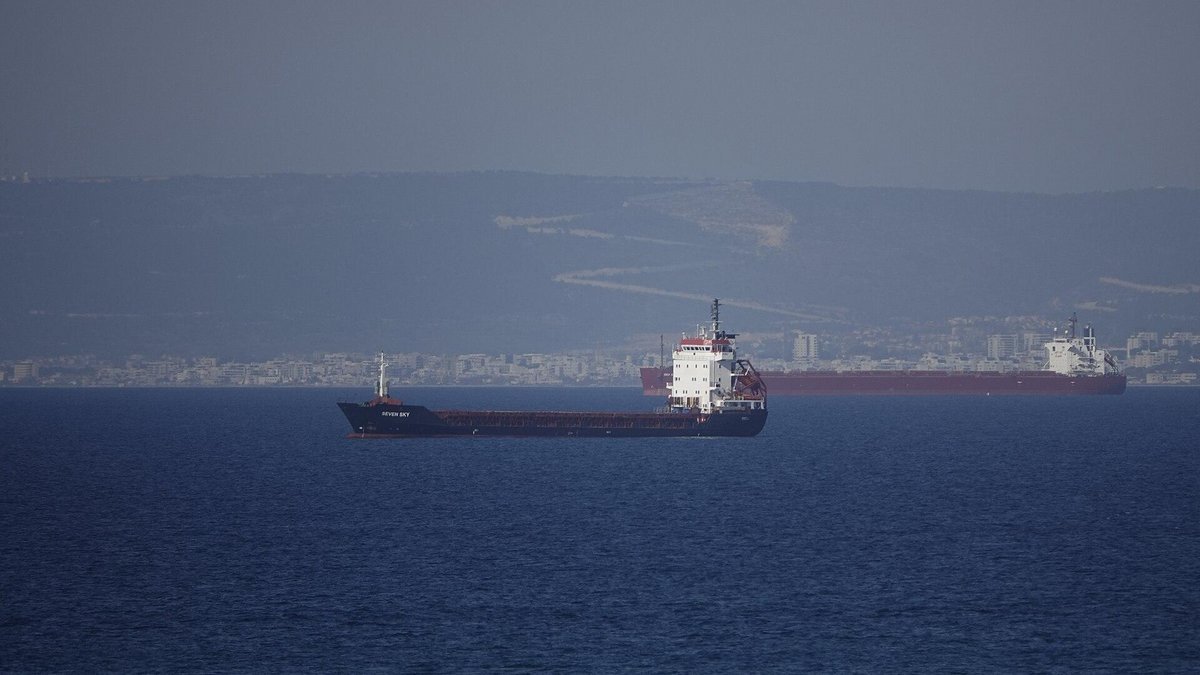
Russia suspended the provision of long-range identification and tracking (LRIT) information for ships flying its flag, asserting a sovereign right to hide vessel positions to prevent military attacks and seizures. The move challenges the transparency of global maritime safety systems by prioritizing national security over universal data sharing.
Moscow told the International Maritime Organization (IMO) that the decision was dictated by the need to ensure the safety of civilian ships facing increased threats of their unlawful tracking and destruction. Russia condemned the use of data from the Automatic Identification System (AIS), LRIT, and mandatory ship reporting systems (SRS) by states and non-state actors for planning armed attacks.
In its submission, Russia emphasized that a flag state has the right to restrict LRIT information to specific coastal states at any time. It also urged the IMO to tighten international controls on access to tracking data and develop mechanisms for reporting cases where such information is used for illegal acts against merchant shipping.
Why it matters
The move signals a shift in how flag states view international safety protocols. By restricting LRIT data, Russia is moving away from the principle of universal transparency that underpins global search and rescue and maritime security. This creates a precedent where vessel location data is treated as a strategic vulnerability rather than a safety requirement.
For the wider industry, this points toward a more fragmented tracking environment. If Russia successfully pushes the IMO to tighten controls on data access, the era of open ship tracking could face regulatory hurdles. This would complicate the efforts of insurers, charterers, and coastal authorities who rely on consistent data to assess risk and manage traffic.
The decision also places a new burden on the IMO to define unauthorized access to maritime data. Russia is asking for guidance on protecting AIS and LRIT information from being used for unlawful purposes. If the IMO adopts these proposals, it could give flag states broader legal cover to withhold vessel information, making it harder to monitor global trade flows and fleet movements in sensitive regions.
What to watch
The response from the IMO Maritime Safety Committee and the sub-committee on navigation, which Russia has asked to develop new guidance on data protection and reporting mechanisms.