MSC Cruises takes delivery of 216,638 GT MSC World Asia

MSC Cruises takes delivery of the 216,638 GT MSC World Asia, committing to ultra-large vessel scale through 2031 as competitors pivot.
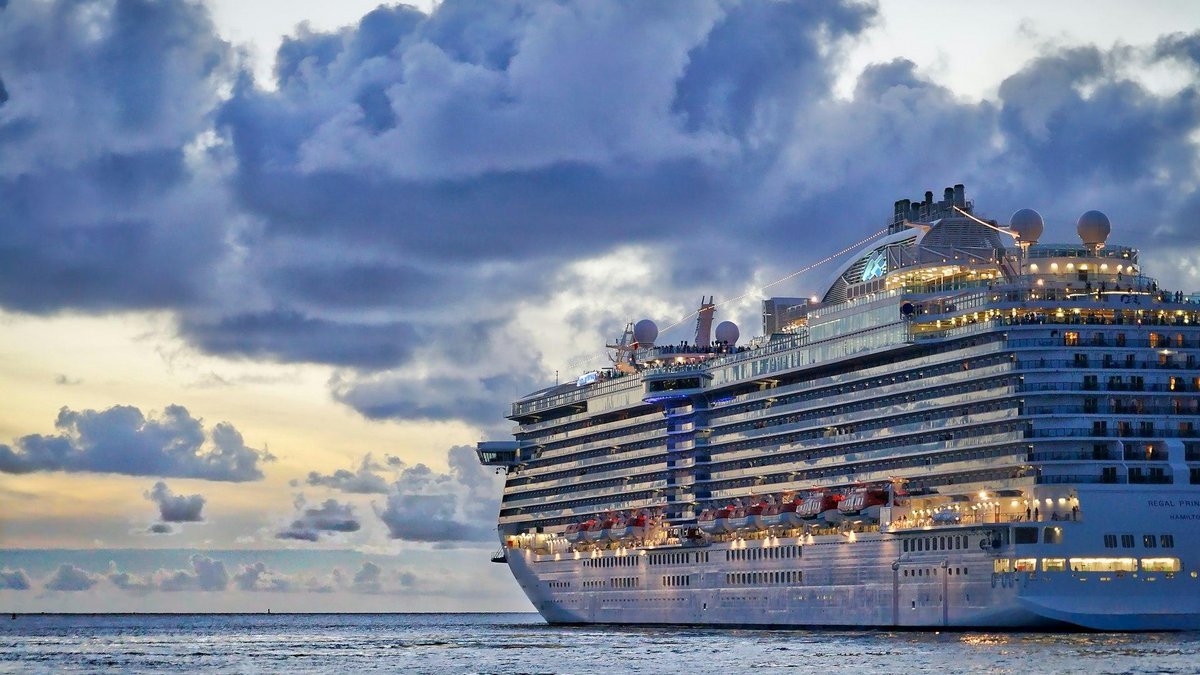
MSC Cruises took delivery of the 216,638-gross-ton MSC World Asia on November 25, cementing a fleet strategy built on massive scale while the broader industry begins to pivot toward smaller vessels. The handover at the Chantiers de l’合理l’Atlantique shipyard in France marks the third of eight planned World Class ships, locking in a high-capacity construction program through 2031.
The 333-meter vessel carries more than 6,700 passengers and 2,100 crew. MSC reports that 60 percent of the design was updated compared to its predecessors, MSC World Europa and MSC World America, which entered service in 2022 and 2025. The ship features dual-fuel LNG engines designed to reduce methane slip and includes a heat recovery system that generated 1.5 MW during sea trials, covering approximately three percent of the ship’s power demand.
Following a naming ceremony in Le Havre on November 28, the vessel will begin Mediterranean itineraries in December. The ship is scheduled to remain in the Mediterranean through summer 2027 before repositioning to the South Caribbean for the winter 2027/2028 season.
Why it matters
MSC is diverging from competitors who are increasingly announcing plans for smaller, more flexible tonnage. By sticking to the 200,000-plus gross ton segment—a space occupied only by Royal Caribbean and Disney—MSC is betting that massive economies of scale will outweigh the operational limitations of ultra-large ships. This strategy requires consistently high occupancy rates to maintain margins but provides a lower cost-per-berth if the cabins stay full.
The technical specifications suggest MSC is using this class to bridge the gap to future fuels. The Energy Efficiency Design Index (EEDI) sits 50 percent below the International Maritime Organization reference for this ship type. With engines capable of running on bio-LNG or synthetic LNG, the owner is attempting to de-risk the fleet against tightening carbon regulations that could otherwise penalize vessels of this size and power demand.
The long-term partnership with Chantiers de l’Atlantique provides MSC with a predictable pipeline of new capacity. While other owners may face volatile shipyard pricing or limited slots for large builds, MSC has secured its growth trajectory for the next seven years. This consistency allows the company to plan long-term deployment and marketing years in advance, as seen with the 2027 Caribbean scheduling.
What to watch
The next milestone in this expansion is the delivery of MSC World Atlantic, which is scheduled to join the fleet in October 2025.