

Shadow fleet faces recycling bottleneck as yards prioritize compliant ships
Sanctioned tankers face a disposal crisis as tightening recycling capacity and regulatory risks push shadow fleet vessels to the back of the line.
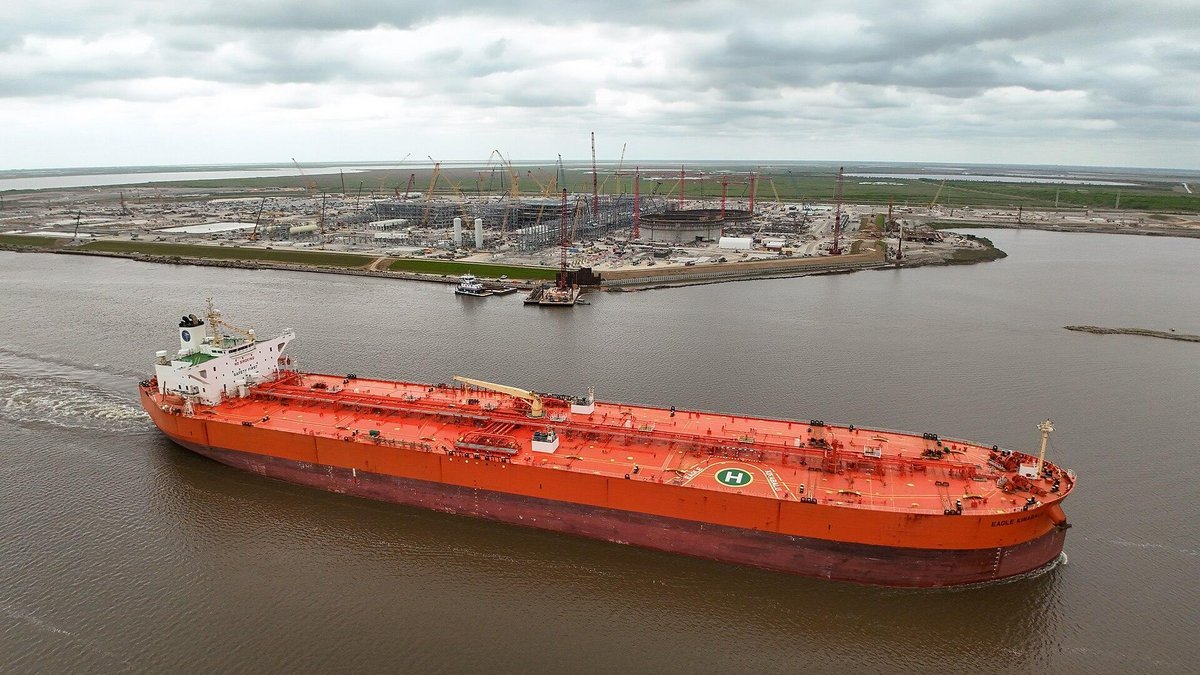
The aging shadow fleet of sanctioned tankers faces a looming disposal crisis as tightening global recycling capacity threatens to leave these vessels without access to reputable shipbreaking yards.
Sustained strength in the tanker market is currently incentivizing owners to keep vintage, sanctioned tonnage in operation far beyond typical commercial lifespans. This delay is narrowing the window for orderly decommissioning, ensuring that a significant volume of substandard tonnage will eventually require disposal simultaneously.
When recycling capacity inevitably tightens, sanctioned tankers are expected to be relegated to the back of the queue. Certified yards, increasingly sensitive to regulatory oversight and ESG standards, are likely to prioritize compliant, mainstream tonnage over vessels with opaque ownership structures and sanction histories.
This bottleneck suggests a significant shift in the final lifecycle stage of the shadow fleet. If reputable yards refuse to handle sanctioned assets to avoid regulatory complications, these vessels will likely be pushed toward unregulated beaching operations or abandonment.
The inability to access certified recycling facilities means the environmental risks associated with the shadow fleet do not end with their operational life. Instead, the lack of viable disposal paths increases the probability of these vessels ending up on the seabed or in substandard yards that lack the infrastructure to manage hazardous materials safely.
Source: ShippingWatch