

Attacks Expand Deep Into Persian Gulf as LNG Carrier and Tankers Hit
A new wave of attacks in the Persian Gulf and Strait of Hormuz is targeting LNG carriers and tankers, signaling a widening maritime security threat.
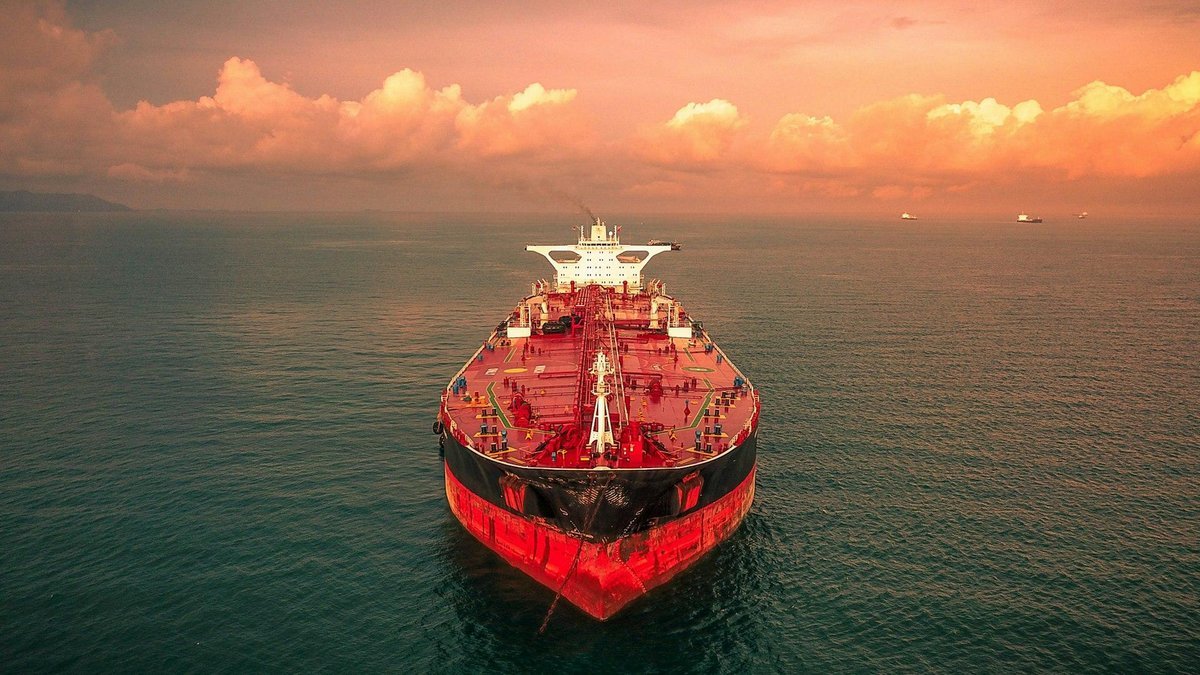
The maritime security threat in the Middle East has escalated and expanded geographically, with a series of attacks now striking commercial vessels deep within the Persian Gulf and the Strait of Hormuz. While the Strait has long been the primary flashpoint, the latest incidents involve targets as far as 72 nautical miles east of Ras Al Khafji, Saudi Arabia, and near Iran’s Lavan Island.
The most recent strike occurred late Sunday when a tanker traveling southeast in the Persian Gulf was hit by two unidentified projectiles on its port side. According to UK Maritime Trade Operations (UKMTO), the vessel sustained damage but all crew were accounted for. This followed an earlier report on Sunday of another merchant vessel struck by a projectile within the Strait of Hormuz.
Widening Geographical Threat
The expansion of the conflict zone into the central Persian Gulf represents a significant shift for regional operations. Previously concentrated in the narrow transit lanes of the Strait, the threat now encompasses broader reaches of the Gulf, as evidenced by the October 30 attack on the LNG carrier Al Mayeda. The Qatar-owned vessel was struck south of Lavan Island, triggering an onboard fire.
This geographical spread suggests that the safe areas for merchant shipping are rapidly shrinking, even for vessels not yet entering the immediate choke point of the Strait. For operators, this necessitates a reassessment of security protocols well before reaching the Musandam Peninsula, as the traditional protection offered by the Gulf’s wider waters appears to be diminishing.
Targeting Energy Infrastructure
The inclusion of a Qatari LNG carrier in the recent wave of strikes marks a critical escalation in the threat to global energy security. Qatar’s Ministry of Foreign Affairs has condemned the attack on the Al Mayeda, warning of the potential for environmental catastrophe and regional water security risks. The strike on a high-value LNG asset indicates that the current offensive is not limited to crude oil tankers but is targeting the broader energy export infrastructure of the region.
Operational data highlights the resulting paralysis of regional trade. The Joint Maritime Information Center (JMIC) reports that approximately 490 vessels were waiting outside the Strait of Hormuz as of November 1. While U.S. naval forces continue to facilitate transits, the volume remains significantly below pre-war levels, with only 119 facilitated movements recorded over a three-day period last week.
The intensity of the campaign is underscored by 18 confirmed attacks in the Strait since October 6. Recent casualties include the Panama-flagged tanker RITI, which was abandoned after a strike caused a fire and loss of propulsion, and the LOUISE 1, which was targeted by a small boat using limpet mines. The JMIC maintains a severe threat assessment, warning that further deliberate attacks are highly likely as Iranian Revolutionary Guard Corps activity, including UAV surveillance and radio pressure, continues unabated.
Source: gCaptain