

Russian Flag Adoption Rises Among EU-Sanctioned Vessels
Nearly half of EU-sanctioned vessels now fly the Russian flag, a move the Danish Shipowners’ Association warns will hinder high-seas enforcement.
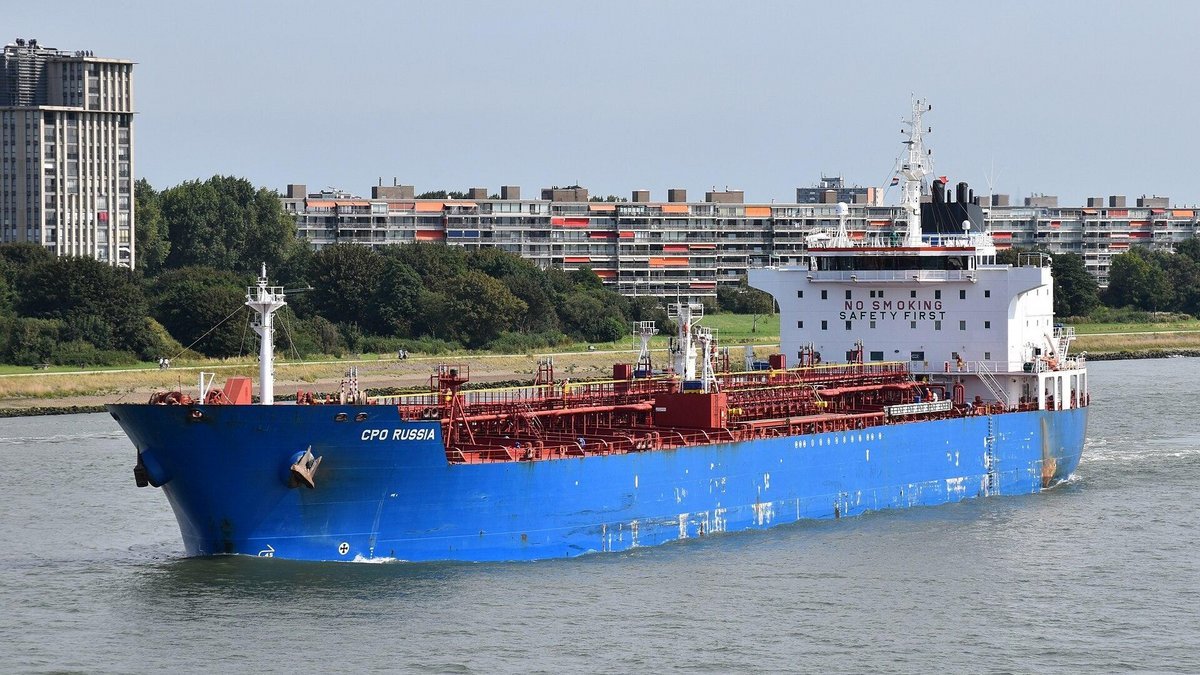
Nearly half of the vessels currently sanctioned by the European Union have transitioned to the Russian flag, a strategic migration that significantly complicates Western enforcement efforts. The shift away from traditional flags of convenience effectively places a large portion of the shadow fleet under the direct sovereign protection of Moscow.
The Danish Shipowners’ Association warns that this trend makes it increasingly difficult for European authorities to board and inspect these vessels. Under international maritime law, the flag state holds primary jurisdiction over a ship on the high seas, meaning any attempt at interdiction or boarding typically requires the consent of the registry state.
Legal Shielding of the Shadow Fleet
While open registries like Panama or Liberia often respond to international pressure by de-flagging sanctioned tonnage, the Russian registry offers a permanent safe haven. This transition suggests the shadow fleet is moving toward a state-backed model that is immune to the regulatory and diplomatic levers typically used by EU and US authorities to disrupt illicit trade.
The move represents a hardening of the logistics chains supporting Russian oil exports. By consolidating sanctioned tonnage under its own flag, Russia is insulating its maritime operations from the administrative reach of Western sanctions, leaving physical enforcement as one of the few remaining options for European regulators.
Source: ShippingWatch