Russian strikes on Greek-managed bulkers threaten Ukraine grain corridor

Russian attacks on the Gladiator and Virtuous Striker near Odesa signal rising risks and costs for owners in the Ukrainian grain corridor.
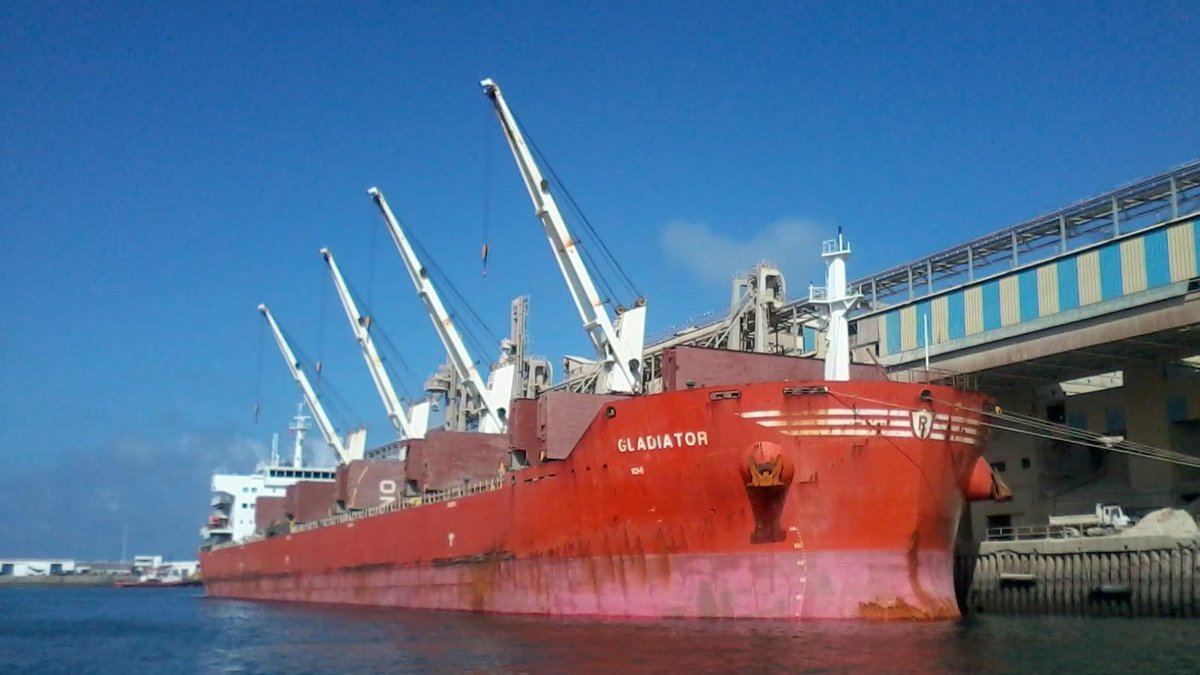
Russian strikes on two Greek-managed bulkers near Odesa have jeopardized Ukraine’s deep-water export corridor, signaling a direct threat to the large-scale vessels required to move the country’s harvest.
The Supramax vessels Gladiator and Virtuous Striker, managed by Athens-based Enterprises Shipping & Trading, were hit on the night of November 25. The Gladiator, flying the Bahamas flag, sustained damage to its hull and superstructure while carrying 50,000 tonnes of corn. The Isle of Man-flagged Virtuous Striker took a hit on its deck while loaded with wheat. Both vessels had recently loaded at the port of Pivdennyi and were sailing through the Ukrainian maritime corridor when the attack occurred.
Ukrainian Prime Minister Sergii Koretskyi confirmed the strikes via Telegram. While the crew of the Gladiator brought a fire under control and no injuries were reported, the physical damage to the vessels changes the safety profile of the route. Russia’s Ministry of Defence claimed it targeted a ship carrying military equipment, though the vessels were loaded with over 100,000 tonnes of grain.
Why it matters
This escalation targets the only infrastructure capable of handling ocean-going grain carriers. The ports of Odesa, Chornomorsk, and Pivdennyi handle 90% of Ukraine’s farm and metal exports. While Ukraine has diverted some trade to the Danube River and rail lines, those routes move only a fraction of the volume at a much higher cost. By hitting Supramax vessels, the strikes attack the core economics of the trade.
For shipowners and charterers, the damage to the Gladiator and Virtuous Striker changes the risk calculation for the Odesa hub. Owners have already been cautious, but direct hits on Greek-managed tonnage will likely drive up war-risk insurance premiums and reduce the pool of available ships. This pressure comes as Ukraine’s grain exports have already fallen to 7.6 million tonnes in the 2026/27 season, down from 11.5 million tonnes during the same period last year.
The strikes effectively squeeze the corridor at both ends: increasing the cost of carriage while decreasing the willingness of traders to offer cargo. If insurance costs become prohibitive, the deep-water ports will sit idle, forcing more volume onto the expensive and congested river and rail networks.
What to watch
Watch for a reaction in war-risk insurance pricing and whether Greek managers, who have maintained a presence in the region, begin to withdraw their vessels from the Odesa corridor.