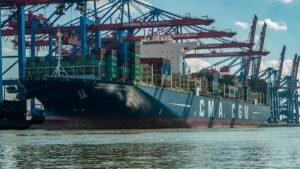
CMA CGM trims Baltic feeder and expands Mediterranean network

CMA CGM drops Klaipėda and Antwerp from its BALT1 service while adding Antalya to its Mediterranean EGAL loop to optimize regional rotations.
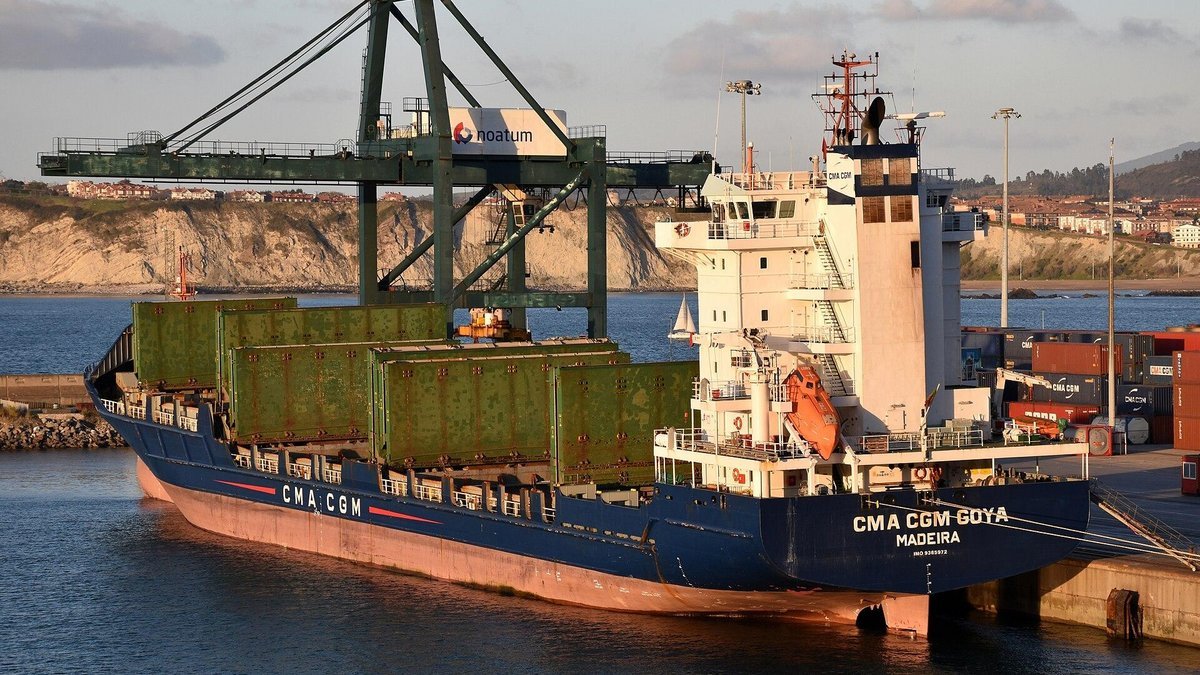
CMA CGM is narrowing its Baltic footprint by removing Klaipėda and Antwerp from its BALT1 feeder service, consolidating regional cargo flows through fewer hubs. The carrier is simultaneously expanding its Mediterranean reach by adding a new call at Antalya, Türkiye, to its Egypt Greece Algeria Line (EGAL).
The revised BALT1 loop will retain calls at Helsinki, Tallinn, and Riga, alongside North Sea connections at Teesport, Zeebrugge, and Rotterdam, according to data from DynaLiners. The removal of the Lithuanian and Belgian ports streamlines the rotation to six key stops.
On the EGAL service, Antalya follows Annaba as the final call before the vessel returns to Alexandria. This addition integrates the southern Turkish port into a loop that connects major hubs across Egypt, Greece, and Algeria.
Why it matters
For Klaipėda and Antwerp, the removal from BALT1 means a loss of direct feeder connectivity on this specific rotation. Shippers in Lithuania and Belgium must now rely on alternative loops or transshipment through the remaining hubs of Rotterdam or Zeebrugge. This consolidation suggests CMA CGM is prioritizing operational efficiency by cutting port density to improve schedule reliability across the remaining Baltic ports.
The streamlined BALT1 service allows the carrier to focus on the high-volume corridors of Finland, Estonia, and Latvia. By dropping two ports, CMA CGM likely reduces the complexity of the schedule and lowers port-related costs, which is a standard response to fluctuating feeder demand in the region.
In the Mediterranean, adding Antalya to the EGAL service provides cargo owners in southern Türkiye with a direct link to North African markets. This move strengthens the carrier’s position in the eastern Mediterranean, offering a more comprehensive rotation for traders moving goods between Türkiye, Algeria, and Egypt.
What to watch
The impact on feeder volumes at Klaipėda will indicate whether competing carriers move to absorb the capacity left by the BALT1 revision or if the port loses transshipment share to Riga and Tallinn.