MSC launches Shaheen service and restores Clanga in India network reshuffle

MSC is overhauling its Far East-Indian Subcontinent network with new services and a shortened Shikra loop starting this December.
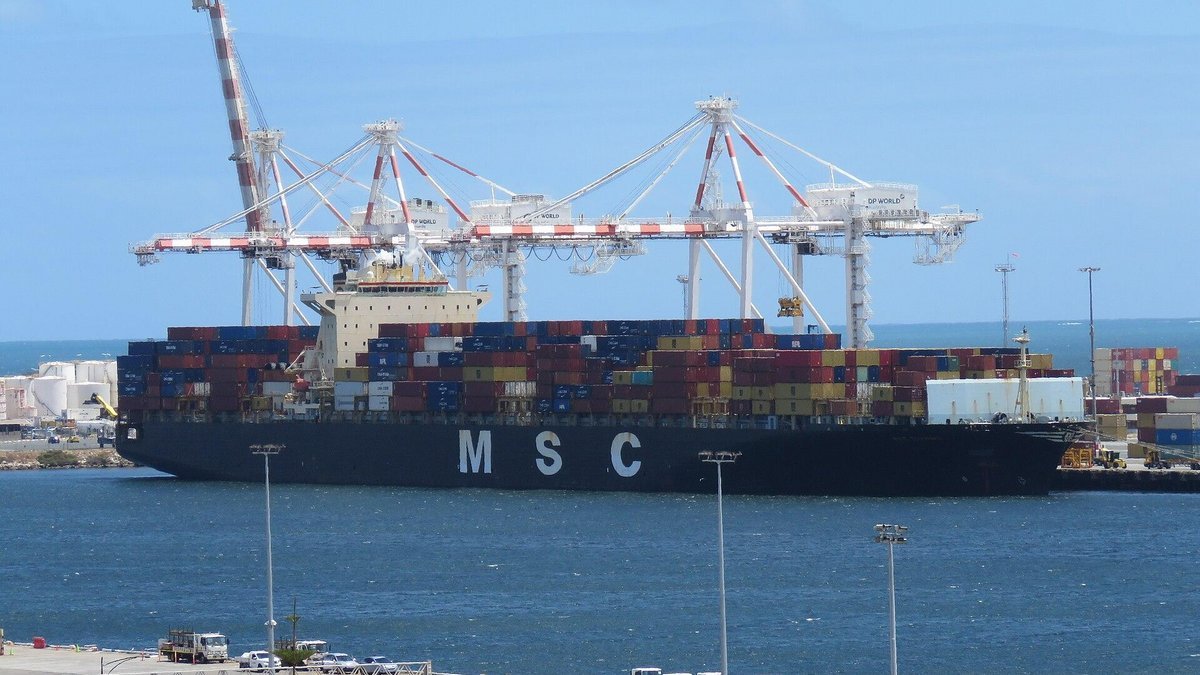
MSC is overhauling its Far East-Indian Subcontinent network this December, launching the new Shaheen service and reinstating the Clanga loop to bolster direct capacity into Mundra and Karachi.
DynaLiners reports that the Shaheen service will link Shanghai, Ningbo, and Shekou with Mundra and Karachi. MSC will deploy vessels between 4,000 and 6,000 TEU on this route. The Clanga service, which MSC suspended in March, returns with 6,600 TEU vessels calling at Khor Fakkan before Mundra.
Meanwhile, the carrier is shortening its Shikra service. Shikra will drop its Gulf extension and calls at Karachi, Colombo, and Shanghai. It adds a call at Hazira and replaces its westbound Shekou call with an eastbound call at Yantian. Deployment on Shikra will fall to seven vessels, according to DynaLiners.
Why it matters
This reshuffle signals a shift in how MSC manages its tonnage between East Asia and the Indian Subcontinent. By launching Shaheen and restoring Clanga, the carrier is doubling down on direct connections to Mundra and Karachi. This move likely provides more predictable windows for cargo owners at these major hubs compared to the longer, more complex Shikra rotation.
The reduction of the Shikra service to seven vessels and the removal of its Gulf extension suggests MSC is stripping away regional complexity to improve schedule integrity. Shippers in Karachi and Colombo lose a service option via Shikra. While Karachi gains dedicated capacity through Shaheen, Colombo is not included in the new or restored rotations, leaving it with reduced direct connectivity in this specific MSC network segment.
The addition of Hazira to the Shikra rotation offers a specific win for that port, positioning it as a key alternative as MSC streamlines its wider network. The deployment of 4,000 to 6,600 TEU vessels across these services indicates that MSC is tailoring its capacity to the specific requirements of the India-Pakistan trade lanes.
By separating these calls into distinct services, the carrier can better manage volume fluctuations at Mundra and Karachi without affecting its broader Asian network. This granular approach to the trade lane forces shippers to choose between the speed of direct loops and the broader port access previously offered by the extended Shikra service.
What to watch
The first Shaheen sailings in December will confirm if MSC can maintain these vessel sizes and port rotations as the new network structure takes effect.